
Clearing Acne: The Importance of A Cleanse To Eliminate Parasites Hidden In Your Gut

Clearing Acne: The Importance of A Cleanse To Eliminate Parasites Hidden In Your Gut

Acne is a hassle that most people experience, primarily during their teenage years.

But, it is not limited to just that age group as even adults may have a pimple or two on their face from time to time. The focus of this blog is to reveal a not-so-common explanation for acne - parasites living in your gut.

The majority of us are aware that there is a link between a healthy diet and skin health, but most of us still struggle with controlling acne prone skin. In this blog, let’s find out what parasites are capable of residing in our gut, causing harm to our skin, and how a cleanse can help us get rid of them.

What is the connection between gut parasites and acne?
Believe it or not, your gut is an ideal home for all types of bugs. Unhealthy food consumption, lack of exercise, and water intake can lead to various toxins buildup in the gut. It creates an environment that is hospitable for parasites to thrive. These parasites accumulate on the gut wall, where they live off of the nutrients we absorb from food.

Because of this, the body becomes malnourished, and that’s when it signals the skin to become excessively oily. This oil production leads to clogging of the pores, causing pimples and acne.

One of the effective ways of purifying your system is to do a cleanse, which is a process that aids in eliminating these parasites. The cleanse process can rid the gut of various toxins and harmful substances that have accumulated over time. There are different types of detox programs that are effective in getting the job done, but they are all aimed at removing the harmful substances from the digestive system.

The most common sign that indicates you have a parasite in your gut is frequent bloating and gas.
Several cleansing formulas can enhance the removal of parasites from your system, such as psyllium, bentonite clay, and diatomaceous earth. These supplements essentially work by loosening the parasites from the gut walls to escort them out of your body.

Some herbs like wormwood root and clove can also attack the parasites. Keep in mind that you should always seek medical advice before taking any form of worm killer or supplement to avoid any adverse effects on your body.

After performing a cleanse, you may observe significant changes in your skin, including acne-free and well-nourished skin. However, bear in mind that clearing your gut of parasites is just one facet of skin health. You must continue to practice a healthy lifestyle, maintain a balanced diet, exercise, get enough rest, and sleep well. The diet should include foods rich in zinc, vitamins A and E, and omega-3 fatty acids, which support skin health.

The relationship between parasites living in the gut and acne is not commonly known.
Therefore, it is essential to create awareness about this crucial aspect of skin health. The first step to clear skin would be to perform a cleanse to eliminate the parasites residing in your gut. Maintaining a healthier lifestyle by engaging in regular exercise, optimal water intake, avoiding unhealthy food habits, and getting enough rest facilitates the cleansing process and further decreases the likelihood of re-infection.

A holistic approach to skin health, including a carefully crafted diet, supplements, and treatments, accompanied by a healthy lifestyle, is the key to achieving acne-free skin.

If you would like 10% off the parasite cleanse that I use, you can find that HERE…. and yes, you may see evidence of parasites!

Whey and Soy Protein Shakes May Worsen Acne

Whey and Soy Protein Shakes May Worsen Acne

Acne is a common concern for many teens and young adults. While there are several factors that contribute to acne, such as genetics, hormonal changes, and diet, it is crucial to pay attention to the foods we eat if we want to maintain clear skin.

Among the foods associated with acne, protein powders are a popular culprit. In this post, we will be discussing why whey and soy protein shakes may worsen acne and what alternatives can be used.

Whey protein is a byproduct of cheese production and is commonly used in protein powders and supplements. It is known to be an excellent source of high-quality protein and is often used by athletes and bodybuilders for muscle growth and recovery.

However, whey protein contains an amino acid called leucine, which is associated with an increase in insulin secretion. Elevated insulin levels are known to stimulate the production of sebum, an oily substance that can clog hair follicles and cause acne.

In addition to whey, soy protein is also a popular option for protein powders. Soy protein is derived from soybeans and is often used by vegetarians and vegans as a substitute for animal-based protein sources. However, soy protein also contains phytoestrogens, which can interfere with androgen hormones in the body. Androgen hormones play a critical role in sebum production and can contribute to acne if not regulated correctly.

Moreover, both whey and soy protein powders are often sweetened with sugar or artificial sweeteners, which can also contribute to acne. Sugar and artificial sweeteners cause a spike in insulin, leading to an increase in sebum production.

If you are looking for alternative protein options that are less likely to cause acne, consider plant-based protein powders such as pea, hemp, or brown rice protein. These plant-based sources contain essential amino acids that promote muscle growth and recovery without stimulating excess sebum production.

Another great alternative is collagen protein powder. Collagen is a type of protein that is found naturally in the body and plays a vital role in skin health. Collagen protein powder has been shown to improve skin elasticity, hydration, and overall appearance. It is also less likely to cause acne than whey or soy protein powders.

While whey and soy protein powders may have many benefits, they can also worsen acne due to their insulin-stimulating properties and hormonal effects. Plant-based protein powders and collagen protein powders are excellent alternatives for those looking to maintain clear skin.

If you suffer from acne, it is crucial to pay attention to the foods you eat and their impact on your skin health. By making small dietary changes, you can see an improvement in your acne and overall well-being.

Click HERE for a Free Guide “3 Tips To Clearer Skin”

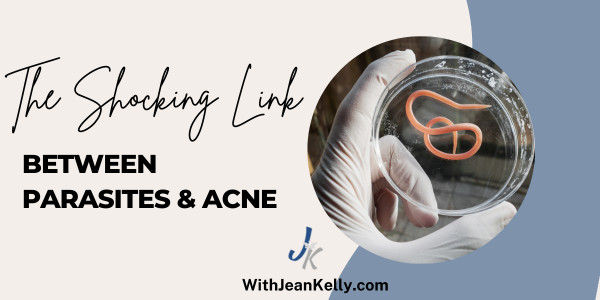
The Shocking Link Between Parasites And Acne

The Shocking Link Between Parasites And Acne

Acne is a common skin condition that affects millions of people worldwide.

It often appears during the teenage years but can also affect adults.

Although several factors contribute to acne, including genetics, hormones, and skincare routine, did you know that parasites can also be a significant culprit? In this blog post, we will explore the link between parasites and acne and how to manage it.

Parasites are organisms that can live in and on the human body, causing infections and health problems. They can enter our body through contaminated food or water, insect bites, or poor hygiene.

Some common parasites that can lead to acne rosacea are Demodex mites, which are microscopic organisms that live inside hair follicles and sebaceous glands. High levels of these mites can cause skin inflammation and increase sebum production, leading to acne breakouts.

Another parasitic infection that can contribute to acne is the Candida yeast overgrowth. Candida is a type of fungus that can live in our intestines when the balance of good and bad bacteria is disrupted. When this happens, the Candida overgrows and releases toxins that can affect the skin, leading to acne breakouts. Candida is also linked to other health problems such as digestive issues, fatigue, and brain fog.

Apart from Demodex mites and Candida, other parasites that can cause acne are hookworms, tapeworms, and flukes. These parasites can cause a range of skin conditions, including rashes, itching and acne-like bumps. If left untreated, these infections can cause more severe health problems and the skin condition can become chronic.

Managing parasitic infections and acne requires a multi-pronged approach.

First, it’s essential to maintain good hygiene by washing your face regularly, especially before bed.

Secondly, a healthy diet rich in prebiotic and probiotic foods can help restore the gut microbiome’s balance and support the skin’s health.

Thirdly, natural remedies such as tea tree oil, neem oil, and aloe vera can help soothe inflammation and kill Demodex mites.

Finally, in severe cases, a parasite cleanse may be necessary to control the infection and acne.

Parasites can be a surprising cause of acne that we should not overlook. Demodex mites, Candida, and other parasitic infections can affect the skin’s health, leading to serious skin problems such as acne. If you suspect you have a parasitic infection, seek medical attention immediately and start the necessary treatment.

Additionally, maintaining good hygiene, eating a balanced diet, and using natural remedies can help manage acne caused by parasites. Remember, clear skin starts with good health!

If you are interested in starting a parasite cleanse, you can get 10% off HERE or use the code: jeankelly

Have a fabulous day!

Jean Kelly
Licensed Esthetician
Acne Specialist

“Mom’s come to me when they’ve tried everything but their teens acne just won’t clear”

PS.
You’re invited to join my free Facebook Group “Parents of Teens With Acne”, join HERE

If you want to get started right away with some secrets that are easy to implement and don’t cost any money, grab the online mini course “Clear Skin Secrets” HERE and start using the secrets today! It’s super affordable at only $28 and lots of moms are jumping in before the price goes up.

Candida & Acne Connection: What You Need To Know

Candida & Acne Connection: What You Need To Know

Acne is a common problem that affects people of all ages, but it can be particularly distressing for teenagers and young adults. While there are many factors that can contribute to acne, including genetics and hormones, your diet and gut health may also play a role.

One condition that has been linked to both acne and digestive issues is candida overgrowth. Candida is a type of yeast that naturally occurs in the body, but when it grows out of control, it can lead to a number of health problems. In this blog post, we’ll look at the connection between candida and acne, and what you can do to support a healthy gut and clear skin.

What is candida overgrowth?

Candida overgrowth occurs when the balance of bacteria and yeast in the gut is disrupted. Candida can grow out of control and spread throughout the rest of the body, leading to a condition known as candidiasis.

Symptoms can include digestive problems like bloating and gas, skin issues like acne and rashes, and even mood disorders like anxiety and depression.

Candida overgrowth can be caused by a number of factors, including a diet high in sugar and refined carbs, frequent antibiotic use, and a weakened immune system.

How does candida overgrowth lead to acne?

Candida overgrowth can contribute to acne in a few ways.

First, the toxins produced by candida can overload the liver, which is responsible for filtering out toxins from the body. When the liver is overwhelmed, it can lead to inflammation and oxidative stress, which can contribute to acne.

Second, candida can lead to leaky gut syndrome, which allows toxins and food particles to enter the bloodstream. When the immune system recognizes these foreign invaders, it can trigger an inflammatory response that can manifest as acne.

Finally, candida can disrupt hormone levels, particularly estrogen and progesterone, which can also contribute to acne.

How can you support a healthy gut and clear skin?

If you suspect that candida overgrowth may be contributing to your acne, there are several steps you can take to support a healthy gut and clear skin.
First, it’s important to address any underlying issues that may be contributing to candida overgrowth, such as a poor diet or frequent antibiotic use.

You can also incorporate natural antifungal foods like garlic, coconut oil, and oregano into your diet to help fight off candida.
Probiotics can also be helpful in restoring the balance of good bacteria in the gut. And lastly, reducing stress and getting enough sleep can also support a healthy gut and clear skin.

What other lifestyle factors can contribute to acne?

While candida overgrowth is one factor that may contribute to acne, it’s not the only one. Other lifestyle factors that can contribute to acne include a diet high in processed foods and sugar, poor sleep, stress, and hormonal imbalances. It’s important to address all of these factors in order to support clear skin.

When should you see a healthcare professional?

If you’re struggling with acne, it’s important to seek the advice of a healthcare professional who can help you determine the underlying causes and develop a treatment plan. A naturopathic doctor or functional medicine practitioner can help you address any gut-related issues like candida overgrowth, while a Licensed Esthetician, Acne Specialist can recommend topical treatments to help clear up your skin.

Making simple changes to your diet and lifestyle can go a long way in supporting a healthy gut and clear skin. If you suspect that candida overgrowth may be contributing to your acne, it’s important to work with a healthcare professional to develop a personalized treatment plan. By addressing the root causes of your acne, you can achieve clearer skin and improved overall health.

If you want to dive deeper, there is a module “Candida 101”, in our Hormone Course, Check it out HERE.

The Top 5 Foods You Should Eat For Clear Skin

The Top 5 Foods You Should Eat For Clear Skin

Clear and healthy skin is a dream for many people, especially for teenagers and young adults. This dream is not impossible to achieve, as eating a healthy and well-balanced diet plays a huge role in achieving clear and healthy skin.

The foods we eat have a direct impact on our skin’s appearance, and incorporating certain foods into our diets can make a noticeable difference. In this blog, we’re going to discuss the best foods you should eat for clearer skin.

Avocado: Avocado is a great source of healthy fats, which helps keep our skin hydrated and moisturized. It also contains vitamin E, a powerful antioxidant that protects the skin from damage caused by free radicals. Free radicals can cause inflammation and oxidative stress, both of which can lead to premature aging and skin damage.

Berries: Berries, such as blueberries, strawberries, raspberries, and blackberries, are packed with antioxidants that protect the skin from damage and help prevent premature aging. They are also rich in vitamin C, which promotes collagen production. Collagen is a protein that keeps our skin plump and firm.

Fatty fish: Fatty fish, such as salmon, mackerel, and sardines, are rich in omega-3 fatty acids. Omega-3s help reduce inflammation and keep the skin moisturized. They also help regulate oil production in the skin, which can help prevent acne.

Leafy greens: Leafy greens, such as spinach, kale, and collard greens, are packed with vitamins and minerals that are essential for healthy skin. They are rich in vitamin A, which helps regulate oil production, and vitamin C, which promotes collagen production.

Nuts: Nuts, such as almonds, walnuts, and Brazil nuts, are rich in vitamin E, which is essential for healthy skin. They also contain healthy fats that help keep our skin moisturized and supple.

Your skin is a reflection of your overall health, and incorporating the right foods into your diet can help you achieve clear and healthy skin. By including foods such as avocado, berries, fatty fish, leafy greens, and nuts into your diet, you will be providing your skin with the essential vitamins, minerals, and healthy fats it needs to look and feel its best. So, the next time you’re at the grocery store, make sure to load up on these skin-friendly foods!

Grab your FREE Guide “Three Tips To Clearer Skin” HERE