Acne-Safe Makeup: Enhance Your Beauty Without Aggravating Acne

Acne-Safe Makeup: Enhance Your Beauty Without Aggravating Acne

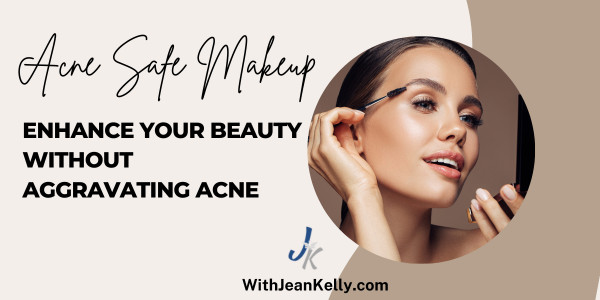
For those dealing with acne-prone skin, finding makeup products that won’t worsen breakouts can be a challenge. However, with the right knowledge and choices, you can still enjoy the benefits of makeup while keeping your skin clear and healthy. In this blog post, we will guide you through the essentials of acne-safe makeup, helping you make informed decisions to enhance your beauty without aggravating acne.

  1. Look for Non-Comedogenic Products: When selecting makeup products, prioritize those labeled as “non-comedogenic”. These products are formulated to minimize pore-clogging and reduce the risk of breakouts. Always check the non-active ingredients though because they may have pore cloggers hiding there. Find a free list of pore clogging ingredients HERE so you can check while you’re shopping. Non-comedogenic makeup allows your skin to breathe and helps prevent new blemishes from forming.
  2. Choose Lightweight and Oil-Free Formulas: Opt for lightweight and oil-free formulas that won’t add excess oil or weigh down your skin. Oil-free foundations, tinted moisturizers and concealers are available in the market and can help provide coverage without clogging pores. These products offer a more breathable and comfortable feel on the skin. We looked for some over the counter products that did not contain pore cloggers, you can find them HERE.
  3. Avoid Heavy Coverage: Avoid heavy, full-coverage foundations as they can trap sweat, bacteria and oil on the skin’s surface, potentially leading to breakouts. Instead, choose lightweight or medium coverage options that minimize the risk of pore congestion. You may want to try these HERE.
  4. Read the Ingredient List: Take the time to read and understand the ingredient list of your makeup products. Look for ingredients that are less likely to cause irritation or clog pores. Some acne-safe ingredients include zinc oxide, titanium dioxide, salicylic acid and hyaluronic acid. On the other hand, avoid products containing potentially comedogenic ingredients like heavy oils, lanolin and fragrances. We found some acne safe makeup HERE.
  5. Practice Good Hygiene: Proper hygiene is essential when using makeup. Wash your makeup brushes and applicators regularly to prevent the accumulation of bacteria. Avoid sharing makeup products with others to minimize the risk of cross-contamination.
  6. Remove Makeup Thoroughly: Always remove your makeup before going to bed to allow your skin to breathe and regenerate overnight. Use gentle, non-irritating makeup removers or cleansers.
  7. Patch Test: Before incorporating new makeup products into your routine, perform a patch test on a small area of your skin to check for any adverse reactions or sensitivities.

Acne safe makeup allows you to express your style and enhance your beauty while maintaining the health of your skin. By opting for non-comedogenic, lightweight, and oil free formulas as well as paying attention to ingredient lists, you can minimize the risk of breakouts and irritation. Remember to practice good hygiene and remove makeup thoroughly. With the right choices and mindful approach, you can confidently wear makeup.

Achieving Clear Skin: The Essential Steps In Your Acne-Fighting Skincare Routine

Achieving Clear Skin: The Essential Steps In Your Acne-Fighting Skincare Routine

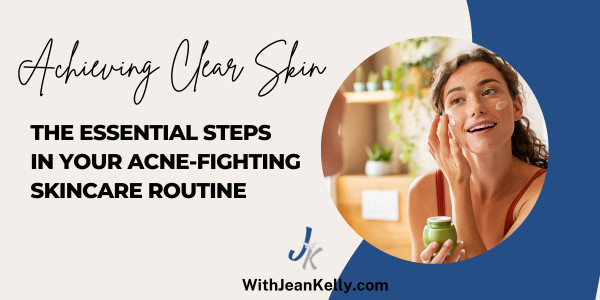
When it comes to clearing acne, establishing a consistent skincare routine is key. By following a targeted and effective routine, you can address the underlying causes of acne and promote a clearer, healthier complexion. In this post we will walk you through the essential steps in a skincare routine designed to combat acne and help you achieve the clear skin you desire.

  1. Cleanse: Start your routine with a gentle cleanser that doesn’t have any active ingredients in it. Cleanse your face twice a day, in the morning and in the evening, to remove dirt, excess oil, and other impurities.
  2. Tone: After cleansing, use a hydrating toner. Toners balance the skin’s pH level, tighten pores and get your skin ready so your acne serums can penetrate better.
  3. Treat: this step involves applying a targeted serum to address acne and promote skin healing and exfoliation. Use products that contain ingredients like benzoyle peroxide, salicylic acid, mandelic acid or retinoids to help reduce inflammation, unclog pores and promote cell turnover. Follow the instructions provided by the product and be sure to check the inactive ingredients for pore cloggers. If you need a pore clogger list you can find one here.
  4. Moisturize: Even if you have oily or acne-prone skin, moisturizing is still crucial. Look for lightweight, oil-free, non-comedogenic moisturizers that provide hydration without clogging pores. Moisturizing helps maintain the skin’s moisture balance, prevent dryness and support overall skin health.
  5. Protect: Daily sun protection is essential to prevent further skin damage and protect against post-inflammatory hyperpigmentation. Choose a broad-spectrum sunscreen with an SPF of 30 or higher, preferably oil-free and non-comedogenic. Apply it generously to all exposed areas of your skin and reapply every two hours, especially if you’re spending time outdoors.
  6. Extras: Consider incorporating additional steps based on your skins needs. These may include exfoliation, using face masks or incorporating serums targeting specific concerns like hyperpigmentation or texture issues. However, be mindful not to overdo it and follow the recommended frequency and instructions for each product. Always start with the lowest percent when it comes to active ingredients.

Establishing a consistent skincare routine that addresses acne is a proactive approach towards achieving clear and healthy skin. There’s a free workshop on putting together a routing if you’re interested. Remember, results may take time, so be patient and consistent with your routine. Alongside your skincare routine, adopting a healthy lifestyle, managing stress and a balanced diet can further support your skin’s clarity. With dedication and the right skincare routine, you can pave the way to a clearer, more confident you.

Great Tasting Supplements That Clear Your Skin!

Great Tasting Supplements That Clear Your Skin!

Acne is a common skin condition experienced by up to 95% of people at some point in their lives. It can cause physical and mental discomfort, making it something many people want to get rid of quickly. The great news is that there are various supplements that can help reduce acne symptoms and prevent further breakouts.

My favorite supplement to take is GEM! I can’t swallow pills so these are perfect for me. They are like little bite size squares with clean ingredients and taste great.

One of the main causes of acne is the overproduction of sebum, an oily substance that clogs pores and creates a breeding ground for bacteria. Antioxidants, such as vitamins C and E, help to regulate sebum production, thereby reducing breakouts. Vitamin A is another beneficial antioxidant that helps to unclog pores and promote healthy skin cell renewal. Zinc is also important to add to your routine and has been found to reduce inflammation and bacteria associated with acne.

Another supplement that is sometimes used to treat acne is fish oil. Fish oil contains omega-3 fatty acids, which are known for their anti-inflammatory properties. Omega-3 fatty acids can help control inflammation in the skin, reducing redness, swelling, and inflammation associated with acne.

Taking the right supplements may be beneficial in reducing the appearance of acne and preventing further outbreaks. However, it is important to remember that supplements are not a substitute for a healthy lifestyle. Your acne is a sign that your body is not removing toxins properly. It could mean that your gut or liver is congested.

If you want to try GEM there should be a discount code when you click here.
GEM is made from real food, not synthetically made in a lab like some other vitamins.

It is important to remember that supplements may not be suitable for everyone, so be sure to consult your doctor or healthcare provider before taking any supplement to treat acne.

Does Makeup Make Acne Worse?

Does Makeup Make Acne Worse?

The Great Debate: Does Makeup Make Acne Worse?
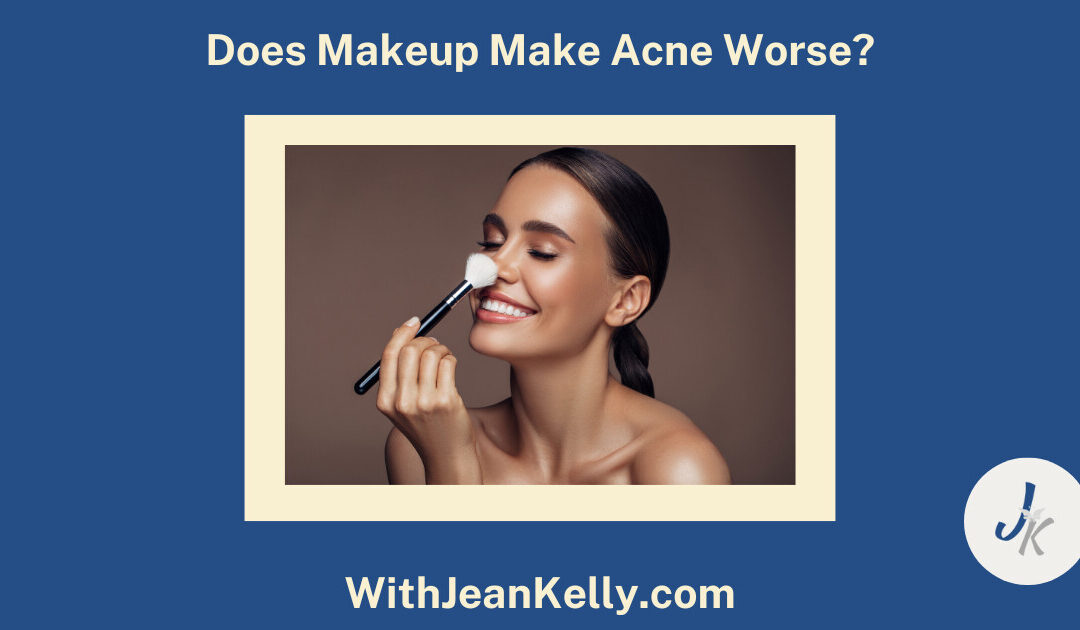
It’s the age-old question that has divided best friends, roommates, and even sisters: does makeup make acne worse? We’ve all been there. You’re getting ready for a big date or an important presentation at work, and you notice a huge pimple right in the middle of your forehead. So what do you do? Cake on some heavy foundation to cover it up or let it be and risk looking like a total hot mess? If you’re like most people, you probably choose option A. But is that really the best decision? Let’s take a closer look at the great debate of makeup and acne.

For years, dermatologists have been saying that one of the worst things you can do for your skin is to cover it up with foundation, concealer, and powder. The thinking is that these products will clog your pores and make your acne worse. And in some cases, that may be true. But it’s not always as simple as that.

If you’re using products that are non-comedogenic (meaning they won’t clog your pores), then you’re probably safe. However, if you’re using products that are heavy or oily, then yes, they could make your acne worse. The key is to find a balance between covering up your blemishes and not making them worse in the process. It’s important to always check the ingredients, EVEN if it says “won’t clog pores”. If you want a free list of acne safe makeup you can grab it here: FREE LIST

At the end of the day, it’s up to you to decide whether or not to wear makeup when you have acne. If you choose to go the makeup route, just be sure to use non-comedogenic products so you don’t make your acne worse. And if you decide to let your blemishes show, remember that everyone gets acne at some point in their lives and that you’re not alone!

Free List of Pore Clogging Ingredients

Free List of Acne Safe Makeup

The Benefits of High Frequency Acne Treatments

The Benefits of High Frequency Acne Treatments

The Benefits of High Frequency Acne Treatments

If you’re struggling with acne, you’re not alone. In fact, according to the American Academy of Dermatology, acne is the most common skin condition in the United States, affecting up to 50 million Americans annually.

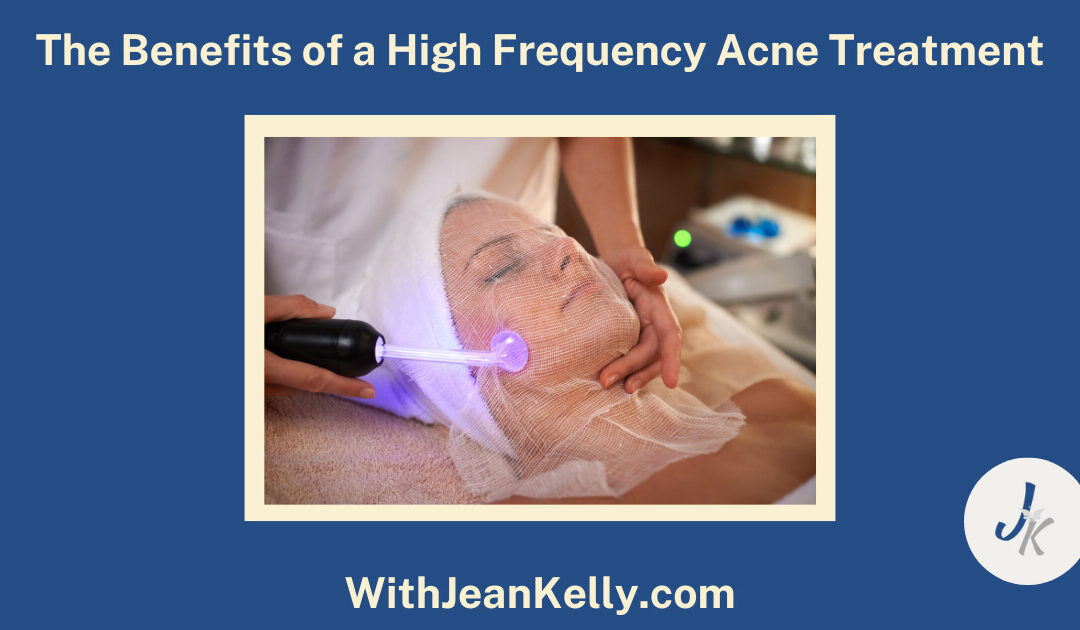
There are a variety of treatments available for acne, but one that is becoming increasingly popular is high frequency acne treatment. High frequency treatment uses electrical energy to stimulate cell regeneration and kill bacteria, which can help to clear up acne breakouts. There are many at home, high frequency devices that are easy to use.

Let’s take a closer look at some of the benefits of high frequency acne treatments:

Reduces Inflammation
One of the main benefits of high frequency treatments is that it can help to reduce inflammation. Inflammation is a key factor in the development of acne, so by reducing inflammation, high frequency treatments can help to prevent breakouts.

Kills Bacteria
Another benefit of high frequency treatments is that it can help to kill bacteria. Bacteria can cause breakouts by clogging pores and causing inflammation. By killing bacteria, high frequency treatments can help to reduce the number of breakouts.

Stimulates Cell Regeneration
In addition to reducing inflammation and killing bacteria, high frequency treatments can also help to stimulate cell regeneration. Cell regeneration is important for keeping skin looking youthful and radiant. By stimulating cell regeneration, high frequency treatments can help improve the overall appearance of skin.
It can also diminish the look of fine lines and wrinkles and help reduce the size of your pores.

As you can see, there are many benefits to high frequency acne treatments. If you’re struggling with breakouts, consider giving high frequency treatments a try. A handheld device that my clients have success with can be found here: HIGH FREQUENCY AT HOME DEVICE.

How long to use the high frequency acne treatment will depend on the severity of your acne. If you have mild or moderate acne, you may need to use the treatment for several weeks or months in order to see results. If you have severe acne, you may need to use the treatment for a longer period of time.