A Guide to Treating Acne Scars and Hyperpigmentation

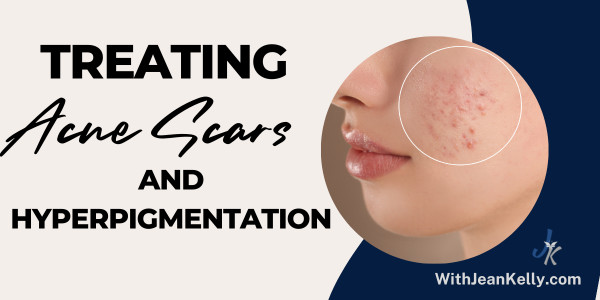
A Guide to Treating Acne Scars and Hyperpigmentation

For anyone who has battled acne, the war often doesn’t end with the clearing of breakouts. The victory is short-lived when the battleground leaves behind unsightly scars and hyperpigmentation. This guide is your ally, offering strategic insights and tactics to fight these post-acne adversaries.

My mission is to equip you with the best knowledge and techniques proven to restore clarity, smoothness, and an even skin tone. From demystifying hyperpigmentation to exploring the latest treatments, this comprehensive resource is a beacon of hope, illuminating the path to radiant post-acne skin.

Understanding the Enemy: What is Hyperpigmentation?
It’s crucial to recognize and understand hyperpigmentation before tackling acne scars. Hyperpigmentation refers to the darkening of the skin, which occurs when an excess of melanin is produced. This uneven pigment can manifest as freckles, age spots, or post-inflammatory hyperpigmentation (PIH).

Types of Hyperpigmentation:

Post-inflammatory Hyperpigmentation (PIH): Commonly seen after acne, this form of hyperpigmentation occurs due to an overproduction of melanin during the skin’s healing process.

Melasma: Often related to hormonal changes and characterized by tan to dark brown patches, typically on the face.

Sun-induced and Age Spots: Caused by prolonged exposure to the sun, leading to localized darkening of the skin.

Understanding the type of hyperpigmentation you’re dealing with is the first step in developing an effective treatment plan.

The Scars Left Behind: Types of Acne Scars
Acne doesn’t just mar your skin with breakouts; it can also leave a lasting imprint in the form of scars. Different types of acne scars require different approaches to treatment.

Common Types of Acne Scars:
Atrophic or Depressed Scars: These are the most common type, occurring when the skin is unable to regenerate tissue effectively. Subtypes include ice pick, boxcar, and rolling scars.

Hypertrophic or Keloid Scars: These are raised, thick scars that occur when the skin produces too much collagen as it heals.

Hyperpigmentation: Not always a scar, but a darkened mark left after an acne lesion has healed.

Understanding the nature of your acne scarring will guide you in selecting the best course of action for your unique skin.

Brightening the Path: Techniques to Treat Acne Scars and Hyperpigmentation
Now, we immerse ourselves in the brightening techniques that are available to you. From at-home remedies to advanced dermatological procedures, the options are diverse and dynamic, each tailored to address your skin’s specific needs.

At-Home Remedies:
Exfoliation: Regularly exfoliating the skin can help in the removal of dead skin cells, allowing new cells to regenerate more effectively.
Topical Retinoids: Over-the-counter or prescription retinoids can improve the appearance of scars and hyperpigmentation by increasing cell turnover.
Vitamin C: As a powerful antioxidant, vitamin C may help in reducing the appearance of dark spots and improving skin texture.

Clinical Treatments:
Chemical Peels: These treatments involve the application of a chemical solution to the skin, which causes the exfoliation of the upper layers, revealing less pigmented skin beneath.
Laser Therapy: Fractional laser treatments aim to resurface the skin and stimulate collagen production, effectively reducing the appearance of scars and hyperpigmentation.
Dermabrasion and Microdermabrasion: Both procedures involve the removal of the skin’s surface, with dermabrasion being more aggressive and invasive than its micro counterpart.
Microneedling: Also known as collagen induction therapy, this treatment uses fine needles to create controlled skin injury, which prompts the skin to heal and repair itself.

The key to success is consistency. Whether you opt for at-home remedies or clinical treatments, a regular and committed regimen will yield the best results.

A Balancing Act: Managing Expectations and Risks
Understanding the balance between expectations and reality is paramount. Treating acne scars and hyperpigmentation is not a one-and-done process but rather a series of steps that require patience and perseverance. Furthermore, any treatment, whether at home or clinical, carries its own set of risks and potential side effects. Before beginning any regimen, consult with a professional to understand what is realistic and safe for your skin.

Managing Expectations:

  • Realize that lightening or removing scars may take time and multiple treatments.
  • Understand that not all treatments will be 100% effective for your specific type of scarring.
  • Appreciate that some level of improvement rather than complete erasure may be the final outcome.

Understanding Risks:

  • Always follow post-treatment care advice to minimize the risk of unwanted side effects.
  • Stay alert to any changes in your skin’s condition and consult your skincare professional if you notice anything concerning.
  • Communicate openly with your provider about your skin sensitivities and history.

The Future Looks Bright: Emerging Technologies and Promising Research
The skincare landscape is ever-evolving, with exciting breakthroughs constantly emerging. Researchers are continually investigating novel treatments with the potential to revolutionize the way we approach acne scarring and hyperpigmentation.
Platelet-Rich Plasma (PRP) Therapy:
PRP therapy involves injecting the patient’s own blood platelets into their skin to stimulate cell growth and collagen production. While still emerging, early studies show promise for treating acne scars effectively.
Stem Cell Therapy:
Stem cells represent a beacon of hope in regenerating scarred skin. Preclinical trials have demonstrated the potential for stem cell treatments to diminish the appearance of acne scars significantly.
Nanotechnology:
Nanotechnology is opening new doors in the delivery of skin-brightening ingredients. Nano-sized particles can penetrate the skin more effectively, enhancing the efficacy of skincare products.

Anticipating these advancements can signal new horizons for those seeking to eradicate acne scarring and hyperpigmentation.

Your Path Forward: Creating a Personalized Plan for Success
With the information in hand, it’s time to create your personalized plan for success. Reflect on the types of scars and hyperpigmentation you have, the treatments you’re drawn to. Then, take the first steps.

Assess the Condition of Your Skin: Take note of the severity and type of scarring you have.
Research and Consult: Look into different treatment options and consult with a skincare professional.
Develop a Treatment Regimen: Once you’ve decided on a course of action, commit to a consistent treatment regimen.
Monitor Progress: Regularly assess the results and adjust your regimen as necessary.
Remember Overall Skincare: A holistic approach to skincare, including a healthy diet and sun protection, is vital.

Remember, victory against acne scars and hyperpigmentation is not just about the treatments you employ, but the care and attention you give your skin every day.
Armed with knowledge and an array of treatment options, you’re fully equipped to declare war on your acne scars and hyperpigmentation. The battle may be long, but the victory – a clear, radiant complexion – is worth every step of the fight.
Remember, you are not alone in this. Countless others have walked this path before and stand ready to offer support, guidance, and hope. Trust in the process, be diligent in your efforts, and never lose sight of the clear, radiant skin that awaits you.

If you’re interested in a more holistic approach to clearing skin you can get my FREE GUIDE “Holistic Approach To Clearing Acne Without Medications” HERE

Have a Fabulous Day!
Jean Kelly
Licensed Esthetician, Acne Specialist

PS. if you’re a parent of a teen with acne, I have a Free Facebook Group you might be interested in. Check it out HERE
The Ancient Art of Chinese Face Mapping: A Parent’s Guide to Understanding Acne Breakouts in Teens

The Ancient Art of Chinese Face Mapping: A Parent’s Guide to Understanding Acne Breakouts in Teens

The Ancient Art of Chinese Face Mapping: A Parent’s Guide to Understanding Acne Breakouts in Teens

As parents, it’s tough to watch our teens struggling with the emotional and physical issues surrounding acne. But could there be more to these breakouts than hormones and hygiene? Dive into an intriguing practice that fuses traditional Chinese medicine with the modern dermatological quest for clear skin.

Welcome to the realm of Chinese face mapping, a window into the depths of your teen’s health disguised as spots and pimples.
… you may be interested in a Free Facebook group for parents of teens with acne: JOIN HERE

The Ancient Art of Reading Skin: Chinese Face Mapping Unveiled

Understanding the Practice
Chinese face mapping, or ‘Mien Shiang’, dates back thousands of years. The practice involves examining the location of skin imperfections to determine the state of the body’s internal organs and overall health. According to traditional Chinese medicine (TCM), the face is a mirror of the body’s energy flow or ‘chi’ (or ‘qi’). Any abnormalities in its appearance or complexion could be a sign of disruptions in certain organs.

Face Regions and Corresponding Organs
Different areas of the face correspond to specific organs or systems within the body. For instance, the forehead is connected to the digestive system and bladder, from eyebrows to eyes correlates to the liver, cheeks/bone region relates to the lungs and respiratory system, and so on. Patterns, colors, and types of blemishes help practitioners identify which organ’s energy may be out of balance.

What Your Teen’s Acne Says About Their Health
Zones to Watch
If your teen is experiencing persistent acne, it’s worth examining where the breakouts occur. This isn’t an exact science, but it could offer valuable insights into their overall wellness.
Forehead Breakouts: The Gut Connection
Frequent acne on the forehead may be more than a call for improved skincare or dietary changes—it could signify digestive issues, or that your teen is overly stressed. Overconsumption of processed foods or high-fat, high-sugar diets can also be the culprit. Encourage your teen to stay hydrated, eat clean, and manage stress through mindfulness or relaxation exercises.

Cheek Acne: The Respiratory and Allergy Angle
Breakouts on the cheeks may be linked to the lungs or respiratory system. If your teen doesn’t have allergies but is experiencing breakouts here, it could be the accumulation of dirt and pollution in the air. For those with allergies or respiratory problems, flare-ups can lead to congestion and cheek acne. Supporting your teen in maintaining a clean environment and seeking proper measures to control allergies is crucial.

Temple Troubles: Kidney Excess
Acne by the temples and between the brows may point to dietary issues such as dehydration or excessive consumption of caffeine, energy drinks and/or alcohol, which weaken the kidneys in TCM. Encourage your teen to balance their consumption of these substances with adequate water intake and herbal teas to support the kidneys.

Balancing Teen Acne with Holistic Health
Food as Medicine
In TCM, food and medicine are often treated as two sides of the same coin. For teens fighting acne, this could mean consuming foods that align with their specific dietary and TCM needs. Emphasize fruits and vegetables to enhance the health of organs linked to acne, such as the lungs (for cheek breakouts) and the digestive system (for forehead acne).

Stress Management and Well-Being
It’s no secret that stress is a huge factor in acne. In a TCM perspective, it disrupts the flow of chi. Encourage your teen to tackle stress through exercise, meditation, hobbies, or counseling to support healthy organ function and clear skin.

Supporting the Process with Professional Advice
While there are benefits to exploring TCM as part of your teen’s acne treatment, it should complement—not replace—professional dermatological advice. Seek out licensed TCM practitioners who can provide tailored advice and treatment plans that work best for your teen’s individual health concerns.

Harnessing the Power of TCM for Long-Term Health
Making TCM Part of Your Teen’s Skincare Routine
TCM promotes a holistic way of approaching skincare. From using gentle products that balance the skin’s natural oils to practicing gua sha or acupressure massage for natural toning effects, incorporating TCM principles into skincare can provide a preventative approach to acne.

Developing Healthy Habits Early
Consistent hydration, a balanced diet, and healthy sleep can stave off not only acne but also a plethora of other health issues. Encouraging these habits from a young age sets your teen on a path to holistic health that can last a lifetime.

The Role of Open Communication and Support
Acne can be a sensitive topic for teens. Maintaining open communication and providing unwavering support throughout their journey is crucial. Whether it’s through Western medicine, TCM, or a combination of both, the goal is always to help them feel comfortable in their own skin and to support overall well-being.

Chinese face mapping is not a one-size-fits-all solution, but it provides an interesting lens through which to view our well-being. By examining the location and frequency of acne, you and your teen can begin to understand the signs their skin is sending about the body within. Embracing a holistic approach that considers both Western and traditional Chinese medical perspectives can lead to clear skin and a healthier, happier life for your teen.

If you’re looking for a group of parents helping their teens with acne you can find that here: PARENTS OF TEENS WITH ACNE

Something that may help with new healthy habits is this free guide: Easy Acne Detox

Have A Fabulous Day!
Jean Kelly
Licensed Esthetician
Acne Specialist

Why Are Pimples Painful? Understanding Acne for Parents of Teens

Why Are Pimples Painful? Understanding Acne for Parents of Teens

Acne is a rite of passage for many teenagers, yet the discomfort and pain associated with pimples can be a significant cause for concern. As a parent, watching your teen suffer through the challenges of painful pimples can be difficult. This post provides an informative snapshot for parents seeking to understand why acne is painful and offers practical advice for managing teen acne effectively.

What Causes Acne?
Teen acne is primarily caused by three critical factors:

  1. Excess oil production: During adolescence, hormonal changes can increase the production of sebum in the skin.
  2. Clogged pores: Sebum, along with dead skin cells, can block hair follicles, leading to acne.
  3. Bacteria: The presence of bacteria in the pores can exacerbate inflammation and lead to painful pimples.

Understanding these factors is the first step in helping your teen adopt a skincare routine that addresses the root causes of acne.

The Inflammatory Response
Acne becomes painful due to the body’s inflammatory response. White blood cells rush to attack the bacteria causing acne, resulting in the release of chemicals that lead to pain and redness. This is the body’s natural way to heal, but it can cause considerable discomfort.

Types of Acne Lesions
Various types of acne lesions can develop on the skin:

  • Whiteheads and blackheads are typically not painful as they are less inflamed.
  • Papules and pustules: When acne is red and swollen, it’s called a papule. A pustule is a papule filled with pus.
  • Nodules and cysts: These are more severe forms of acne that penetrate deeper into the skin and are more likely to be painful.

Identifying the type of acne your teen is experiencing can help in choosing the appropriate treatment.

Factors Contributing to Pain
The pain associated with acne comes from:

  • Inflammation and swelling: This puts pressure on the skin and can result in tenderness.
  • Pressure on nerve endings: Swollen acne lesions can press against nerve endings, which enhances pain.
  • Infection: When acne becomes infected, it may fill with pus and become more painful.

Recognizing these factors is crucial to formulating a plan to alleviate your teen’s discomfort.

Tips for Managing Painful Acne
To help your teen manage painful pimples and enhance their skincare routine, consider the following tips:

  • Proper skincare routine: Gentle cleansing and the use of non-comedogenic products and makeup can prevent clogged pores.
  • Using ice on pimples: This can reduce inflammation and numb the pain temporarily.
  • Avoiding picking or squeezing pimples: This can worsen inflammation, spread bacteria and lead to scarring.
  • Over-the-counter treatments: Look for products containing clay, sulfur, benzoyl peroxide or salicylic acid.

When to seek professional help: If acne persists or is severe, an acne specialist can offer additional treatments.
Implementing a consistent skincare routine and educating your teen about the importance of treating their skin gently are fundamental aspects of managing acne.

For parents, understanding the pain associated with painful pimples is vital. Active and compassionate support can make a significant difference in your teen’s emotional and physical well-being. Encourage your child to be patient and consistent with their skincare efforts and remind them that acne is temporary.

For additional support and insights, feel free to join my free Facebook group: Parents of Teens With Acne where you can connect with others navigating similar challenges, share experiences, and learn more valuable teen skincare tips.

You may also be interested in the FREE guide: 3 Tips for Clearer Skin that can be found HERE

Have a fabulous day!
Jean Kelly
Acne Specialist

Morning & Evening Skincare Routine for Acne Prone Skin

Morning & Evening Skincare Routine for Acne Prone Skin

Acne can be a daunting challenge, especially during the teenage years. It’s not just about the pimples themselves; it’s the self-consciousness and frustration that often accompany them. As parents, watching your teens struggle through this can leave you feeling helpless, but it doesn’t have to. Implementing a simple yet effective skincare routine can make a significant difference. The key is early intervention and consistency, which can help manage acne and potentially enhance your teen’s self-esteem.

Morning Skincare Routine

Step 1: Light & Gentle Creamy Cleanser
Begin the day by removing overnight impurities with a gentle cleanser. A clean face will readily absorb the active ingredients in the next steps of the routine.

Step 2: Mandelic Acid Serum, start slow 2 days per week and work up to everyday.
Mandelic acid, a gentle AHA, can be a game-changer for acne-prone skin due to its exfoliating and anti-inflammatory properties. Mandelic Acid Benefits include unclogging pores and improving skin texture. It is found to be less irritating than other acids due to it’s larger molecule size.

Step 3: Skin Barrier Repair Moisturizer
Even oily, acne-prone skin needs hydration. Choose a moisturizer that supports skin barrier repair to keep skin healthy and resilient against external irritants.

Evening Skincare Routine

Step 1: Light & Gentle Creamy Cleanser
End the day as you began, with a thorough cleanse. This step is critical to remove the grime, makeup and excess oils that have accumulated throughout the day.

Step 2: Skin Barrier Repair Moisturizer
Lock in the moisture after cleansing to keep skin hydrated. If the skin becomes dehydrated, it can’t clear. When skin is too dehydrated, it will produce more oil to protect itself and that oil may block pores and create more breakouts.

Step 3: Blemish Clay detoxifying Spot Treatment
Applying a clay with sulfur spot treatment can reduce inflammation and dry out individual pimples overnight. It’s a targeted approach that can drastically reduce the lifecycle of a pimple. It can also be used as a mask by applying a thin layer to the entire face.

Tips for Effective Skincare Routine

Consistency is Key: Like any good habit, consistency lies at the heart of an effective Acne Skincare Routine. Encourage your teens to stick to their regimen every morning and evening. It is especially important if your teen wears makeup which can clog the pores if it’s not washed off properly.

Patch Test New Products: Before introducing a new product like the Blemish Clay Spot Treatment or an acne serum, perform a patch test to ensure no adverse reaction occurs.

Avoid Touching the Face: Teach your teens the importance of not touching their face. The oils and dirt from their hands can worsen acne. If they tend to pick at their pimples, that can also spread bacteria and cause more pimples.

Managing Teen Acne doesn’t have to involve an elaborate or expensive skincare regimen. A custom skincare routine that includes cleansing, mandelic acid application and a repairing moisturizer in the morning, followed by a night time cleanse, moisturizer and blemish spot treatment, can create a solid foundation for clearer skin. It’s a journey, not an overnight fix, and with love, support, and a touch of patience, your teen can cultivate beautiful skin and confidence. Give this straightforward routine a try, and watch your teen, and their skin, glow.

Not sure what to look for? A simple routine can be found HERE

If you want to learn more, Join my Free Facebook Community “Parents of Teens With Acne” Here. In this group there is more training about clearing acne and some free give aways!

Have a fabulous day!
Jean Kelly
Acne Specialist

The Impact Hydration Has on Clearing Acne

The Impact Hydration Has on Clearing Acne

Does Drinking Water Help Clear Skin?

Proper skincare is more than a cosmetic concern, especially for parents watching their teens struggle with acne. It’s a part of their overall health and many factors play a role, one of which is hydration. But does drinking water really help to clear skin? Let’s dive into the science and find out.

Understanding Acne
Before we make a splash into the benefits of water, it’s essential to understand what causes acne. Acne can result from hormonal changes, bacteria, inflammation and an imbalance in the skins oil production. Common misconceptions may lead parents and teens to seek quick fixes or blame certain foods or habits for acne flare-ups.

The Impact of Hydration on Skin
Hydration serves as the foundation of healthy skin. Water is critical to maintain the balance of bodily fluids and supports various functions including digestion, circulation, and temperature regulation, all of which can impact skin health. Well hydrated skin looks more plump and vibrant, while dehydrated skin can make it more vulnerable to skin issues.

Hydration and Acne
When skin is dehydrated, it can trigger an increase in oil production as a defense mechanism. This excess oil can block pores, leading to breakouts. Using products that hydrate the skin helps to maintain moisture balance in the skin, potentially reducing the need for this protective oil surge.

Other Factors that Affect Skin Health
While hydration is essential, it’s not the sole hero in the epic battle for clear skin. Diet, stress levels, and skincare routines also significantly influence skin health. A diet high in fruits, vegetables, and lean proteins can support skin repair and maintenance, while a balanced skincare routine cleanses and protects the skin barrier.

Debunking Myths
It’s time to flush away myths: drinking water alone won’t cure acne.
It’s a piece of the puzzle, but not the entire solution. There’s no one-size-fits-all answer to clearing acne. The skin can’t clear up if it’s dehydrated, so hydration should be considered one part of a comprehensive skincare approach.

Tips for Healthy Skin
Here are some actionable Acne Hydration Tips to help promote clear skin:

  • Encourage your teen to carry a water bottle and sip throughout the day. Adding Lemon will also help to detox the body.
  • Include water-rich foods in their diet, like cucumber and watermelon.
  • Limit caffeinated beverages and energy drinks that can contribute to dehydration.
  • Monitor the climate and indoor heating, as these can affect hydration needs. A humidifier could help if it’s too dry inside.
  • Pair hydration with a consistent hydrating skincare routine tailored for your teen’s skin type.

In the quest for clear skin, water is very beneficial. While it’s not a magical solution for teen acne, proper water intake coupled with a balanced diet and a custom hydrating skincare routine offers the best chance for improvement.
Remember, as every teen’s skin is unique, listening to its specific needs and being patient with the process are also vital.

If you’d like a FREE guide that will help your new hydration routine, check out the “Easy Acne Detox” you can find that HERE

You may be interested in joining my FREE Facebook Community “Parents Of Teens With Acne” where I have other trainings and free give-aways.

Have a fabulous day!
Jean Kelly
Acne Specialist