How An Acne Specialist Can Help Clear Your Acne Virtually

How An Acne Specialist Can Help Clear Your Acne Virtually

Acne can be a frustrating and embarrassing skin condition that affects people of all ages. While many over-the-counter remedies promise to clear up acne, they often fall short of their promises. As a result, more and more people are turning to Estheticians who are Acne Specialists to help them manage this condition.

With the increasing use of virtual consultations, it’s even easier to get the help you need from the comfort of your own home. In this blog post, we will explore the benefits of working with an Esthetician, Acne Specialist, and how they can help you to achieve clear skin.

A customized approach: Living with acne can be frustrating, but it’s important to remember that every person’s skin is different. That’s why working with an Acne Specialist can be so effective. Rather than relying on generic products, an Esthetician will create a customized skincare plan based on your specific needs. They can also help you identify triggers that may be aggravating your acne.

Professional-grade products: Estheticians have access to professional-grade products that are not available for purchase over the counter. These products are typically more potent and effective than those that can be found at drugstores. Your esthetician will be able to guide you towards the products that will work best for your skin type and concerns.

Ongoing support and advice: Dealing with acne can be a long-term process. Even after you’ve achieved clear skin, it’s important to maintain your skincare routine to prevent future breakouts. An Acne Specialist can provide ongoing support to help you maintain healthy skin. They can also provide advice on lifestyle factors that may be contributing to your acne.

Virtual consultations: Thanks to advances in technology, it’s now possible to receive esthetician services virtually. This means you can work with a skincare expert from the comfort of your own home. Online consultations can be a great option for people who have difficulty making it to in-person appointments, who are away at college or who live in remote areas.

Improved confidence: Living with acne can take a toll on your self-confidence. When your skin is clear and healthy, you’re more likely to feel confident and positive. Estheticians who are Acne Specialists, can help you achieve clear skin, which can have a positive impact on your overall well-being.

Estheticians who are Certified Acne Experts can provide tailor-made skincare plans, professional-grade products, ongoing support and virtual consultations to help you achieve clear skin. By working with an Esthetician, you can receive the personalized attention and care that will help you to manage your acne long-term.

If you’re struggling with acne, consider reaching out to JK Skincare Solutions, LLC, our Estheticians, Acne Experts, will help you get on the path towards clear, healthy skin.
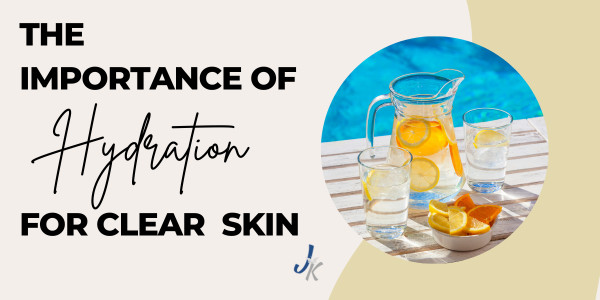

The Importance of Hydration for Clear Skin

The Importance of Hydration for Clear Skin

Do you struggle with acne or other skin issues? Have you ever wondered why some people have naturally clear skin while others don’t?
Believe it or not, one of the biggest factors affecting our skin’s health and appearance is hydration. Water plays a critical role in maintaining healthy skin, and without enough of it, we may experience dryness, redness, inflammation, and even acne. In this blog post, we’ll explore the science behind why the skin needs to be hydrated to stay clear, and offer some tips for ensuring your skin stays hydrated and healthy.

Let’s start with the basics: Human skin is made up of multiple layers, and the outermost layer of the epidermis - the stratum corneum - is what protects us from the environment. This layer is made up of cells that are held together by a network of lipids, which act as a barrier to prevent moisture loss.

When this barrier is compromised, it can lead to dry, cracked, or irritated skin - which can in turn cause acne, as well as other skin concerns. This is where hydration comes in: Drinking enough water, applying a hydrator and a moisturizer regularly helps to strengthen this lipid barrier and keep skin healthy and clear.

But why is the lipid barrier so important?
Essentially, it’s what keeps our skin’s pH balance in check and protects against harmful environmental factors. When this barrier is damaged, it can lead to an overproduction of sebum - the oil that our skin naturally produces - which can clog pores and result in acne. Additionally, when our skin is dry, it can become more sensitive and prone to inflammation, which can exacerbate skin conditions like acne, eczema and psoriasis. By keeping our skin hydrated, we’re able to maintain a healthy lipid barrier, which supports overall skin health and can help prevent breakouts and other skin issues.

So, how can we ensure our skin stays hydrated?
Of course, drinking plenty of water is key - the general recommendation is to aim for 8 glasses a day, though this can vary depending on factors like your weight and activity level. In addition to staying hydrated from the inside out, it’s important to use a moisturizer and a hydrator that’s appropriate for your skin type. Those with oily or acne-prone skin may prefer a lighter, oil-free moisturizer, while those with dry or mature skin may prefer something richer and more hydrating. It’s also important to avoid harsh or drying ingredients like some alcohols or fragrance, and to be gentle when cleansing and drying your skin.

Of course, there are other factors that can affect our skin’s hydration levels as well. For example, environmental factors like humidity and temperature can impact how much water our skin retains. Additionally, certain lifestyle factors - like smoking or excessive alcohol consumption - can dehydrate the skin, making it more prone to damage and aging.

By being mindful of these factors and making a conscious effort to keep our skin hydrated, we can support overall skin health and improve our complexion.

The bottom line is this: Hydration is critical for healthy, clear skin. Water plays a key role in maintaining our skin’s natural barrier and preventing irritation, inflammation, and acne. By drinking enough water, using appropriate moisturizers and hydrators, and being mindful of lifestyle and environmental factors, we can ensure that our skin stays hydrated and healthy.

So next time you’re struggling with a breakout, remember to reach for your water bottle - it might just be the key to glowing, radiant skin.

Clearing Acne Naturally: The Benefits of Eating Organic Foods

Clearing Acne Naturally: The Benefits of Eating Organic Foods

Acne can be a frustrating skin condition and finding effective ways to clear it is a common goal for many individuals. While there are various approaches to treating acne, one natural and holistic method is through the consumption of organic foods. In this post we will explore the reasons why incorporating organic foods into your diet can contribute to clearer skin and help combat acne.

  1. Reduce Exposure to Hormone Disruptors: Conventionally grown foods often contain artificial hormones, pesticides and other chemicals that can disrupt hormone balance in the body. These hormone disruptors may trigger acne flare ups or worsen existing breakouts. By choosing organic foods, you minimize your exposure to these potentially problematic substances, helping to rebalance hormones and promote clear skin.
  2. Lower Levels of Pesticide Residues: Organic farming practices prioritize the use of natural methods and avoids the use of synthetic pesticides and herbicides. Eating organic foods reduces your intake of pesticide residues which can have adverse effects on your skin health. Pesticides may disrupt the natural balance of your skin leading to inflammation and acne. Opting for organic produce minimizes this risk and supports a healthier complexion.
  3. Increased Nutrient Content: Organic foods are often richer in essential nutrients compared to their conventionally grown counterparts. Fresh organic fruits, vegetables and whole grains contain higher levels of vitamins, minerals, antioxidants and phytochemicals that contribute to overall skin health. These nutrients support skin regeneration, collagen production and a strong immune system helping to prevent and heal acne.
  4. Balanced Omega-3 to Omega-6 Ratio: Many processed foods and conventional animal products contain an imbalanced ratio of omega-3 to omega-6 fatty acids, with higher levels of omega-6’s. This imbalance can promote inflammation in the body, including the skin, potentially exacerbating acne. Organic foods, particularly those rich in omega-3’s like Wild Caught Fish, Flaxseeds and Walnuts can help restore a healthier balance and reduce inflammation.
  5. Avoiding Food Sensitivities and Allergies: Some individuals may have undiagnosed food sensitivities or allergies that can contribute to acne breakouts. Common culprits include dairy products, gluten and artificial additives. By choosing organic foods and minimizing processed ingredients, you reduce the likelihood of consuming these potential triggers, allowing your skin to heal and clear.

Incorporating organic foods into your diet offers numerous benefits for overall health and can specifically contribute to clearer skin and acne reduction.. By reducing exposure to hormone disruptors and pesticide residues, increasing nutrient intake, balancing omega-3 to omega-6 ratios and avoiding potential food sensitivities, you support a healthier complexion from the inside out. Embracing an organic diet can be a positive step towards achieving clearer skin naturally and promoting overall well being.

You can find discounted organic products HERE.

Acne-Safe Makeup: Enhance Your Beauty Without Aggravating Acne

Acne-Safe Makeup: Enhance Your Beauty Without Aggravating Acne

For those dealing with acne-prone skin, finding makeup products that won’t worsen breakouts can be a challenge. However, with the right knowledge and choices, you can still enjoy the benefits of makeup while keeping your skin clear and healthy. In this blog post, we will guide you through the essentials of acne-safe makeup, helping you make informed decisions to enhance your beauty without aggravating acne.

  1. Look for Non-Comedogenic Products: When selecting makeup products, prioritize those labeled as “non-comedogenic”. These products are formulated to minimize pore-clogging and reduce the risk of breakouts. Always check the non-active ingredients though because they may have pore cloggers hiding there. Find a free list of pore clogging ingredients HERE so you can check while you’re shopping. Non-comedogenic makeup allows your skin to breathe and helps prevent new blemishes from forming.
  2. Choose Lightweight and Oil-Free Formulas: Opt for lightweight and oil-free formulas that won’t add excess oil or weigh down your skin. Oil-free foundations, tinted moisturizers and concealers are available in the market and can help provide coverage without clogging pores. These products offer a more breathable and comfortable feel on the skin. We looked for some over the counter products that did not contain pore cloggers, you can find them HERE.
  3. Avoid Heavy Coverage: Avoid heavy, full-coverage foundations as they can trap sweat, bacteria and oil on the skin’s surface, potentially leading to breakouts. Instead, choose lightweight or medium coverage options that minimize the risk of pore congestion. You may want to try these HERE.
  4. Read the Ingredient List: Take the time to read and understand the ingredient list of your makeup products. Look for ingredients that are less likely to cause irritation or clog pores. Some acne-safe ingredients include zinc oxide, titanium dioxide, salicylic acid and hyaluronic acid. On the other hand, avoid products containing potentially comedogenic ingredients like heavy oils, lanolin and fragrances. We found some acne safe makeup HERE.
  5. Practice Good Hygiene: Proper hygiene is essential when using makeup. Wash your makeup brushes and applicators regularly to prevent the accumulation of bacteria. Avoid sharing makeup products with others to minimize the risk of cross-contamination.
  6. Remove Makeup Thoroughly: Always remove your makeup before going to bed to allow your skin to breathe and regenerate overnight. Use gentle, non-irritating makeup removers or cleansers.
  7. Patch Test: Before incorporating new makeup products into your routine, perform a patch test on a small area of your skin to check for any adverse reactions or sensitivities.

Acne safe makeup allows you to express your style and enhance your beauty while maintaining the health of your skin. By opting for non-comedogenic, lightweight, and oil free formulas as well as paying attention to ingredient lists, you can minimize the risk of breakouts and irritation. Remember to practice good hygiene and remove makeup thoroughly. With the right choices and mindful approach, you can confidently wear makeup.

Achieving Clear Skin: The Essential Steps In Your Acne-Fighting Skincare Routine

Achieving Clear Skin: The Essential Steps In Your Acne-Fighting Skincare Routine

When it comes to clearing acne, establishing a consistent skincare routine is key. By following a targeted and effective routine, you can address the underlying causes of acne and promote a clearer, healthier complexion. In this post we will walk you through the essential steps in a skincare routine designed to combat acne and help you achieve the clear skin you desire.

  1. Cleanse: Start your routine with a gentle cleanser that doesn’t have any active ingredients in it. Cleanse your face twice a day, in the morning and in the evening, to remove dirt, excess oil, and other impurities.
  2. Tone: After cleansing, use a hydrating toner. Toners balance the skin’s pH level, tighten pores and get your skin ready so your acne serums can penetrate better.
  3. Treat: this step involves applying a targeted serum to address acne and promote skin healing and exfoliation. Use products that contain ingredients like benzoyle peroxide, salicylic acid, mandelic acid or retinoids to help reduce inflammation, unclog pores and promote cell turnover. Follow the instructions provided by the product and be sure to check the inactive ingredients for pore cloggers. If you need a pore clogger list you can find one here.
  4. Moisturize: Even if you have oily or acne-prone skin, moisturizing is still crucial. Look for lightweight, oil-free, non-comedogenic moisturizers that provide hydration without clogging pores. Moisturizing helps maintain the skin’s moisture balance, prevent dryness and support overall skin health.
  5. Protect: Daily sun protection is essential to prevent further skin damage and protect against post-inflammatory hyperpigmentation. Choose a broad-spectrum sunscreen with an SPF of 30 or higher, preferably oil-free and non-comedogenic. Apply it generously to all exposed areas of your skin and reapply every two hours, especially if you’re spending time outdoors.
  6. Extras: Consider incorporating additional steps based on your skins needs. These may include exfoliation, using face masks or incorporating serums targeting specific concerns like hyperpigmentation or texture issues. However, be mindful not to overdo it and follow the recommended frequency and instructions for each product. Always start with the lowest percent when it comes to active ingredients.

Establishing a consistent skincare routine that addresses acne is a proactive approach towards achieving clear and healthy skin. There’s a free workshop on putting together a routing if you’re interested. Remember, results may take time, so be patient and consistent with your routine. Alongside your skincare routine, adopting a healthy lifestyle, managing stress and a balanced diet can further support your skin’s clarity. With dedication and the right skincare routine, you can pave the way to a clearer, more confident you.