
Does Acne Mean Poor Gut Health: Exploring the Connection

Does Acne Mean Poor Gut Health: Exploring the Connection

As parents watch their teenagers struggle with the pesky problem of acne, many are left wondering if pimples are just a surface-level issue or indicative of something deeper. Recent discussions around gut health may have you asking, “Does acne mean poor gut health?” Let’s delve into this relationship to better understand what could be happening under the skin.

Understanding Acne
Acne is a common skin condition characterized by pimples, blackheads, and inflamed red patches. While it often rears its head during the tumultuous teen years due to hormonal changes, various factors, including diet, stress, and genetics, can contribute. Some simply chalk it up to part of puberty, but could it be a clue to your teen’s inner wellness?

The Gut-Skin Connection
Scientific research reveals a compelling gut-skin axis, illustrating how our digestive system may influence skin health. The state of our gut can manifest in several ways, and the skin, being our largest organ, is an expressive canvas. When gut flora is in disarray, it can incite systemic inflammation, possibly igniting the onset of acne.

The Role of Gut Health in Acne
The delicate balance of beneficial bacteria in our gut is pivotal for overall health, including that of the skin. These microorganisms aid in digestion, immune function, and even the production of certain vitamins. A compromised gut microbiome might not only lead to digestive issues but could also trigger inflammatory acne as the body attempts to cope with the internal imbalances.

Signs of Poor Gut Health
Parents should look out for constipation, bloating, and irregular bowel movements in their teens as signs of gut distress. Skin inflammation such as eczema, psoriasis or acne may also suggest gut health needs to be addressed. A healthy gut typically equals happier skin, and the reverse could signal it’s time to change up the wellness routine.

Improving Gut Health
Good news for those seeking teen acne solutions — improving gut health could lead to clearer skin! Incorporating a diet high in fibers like fruits, vegetables, and whole grains promotes a flourishing microbiome. Probiotics from yogurt or fermented foods like kimchi and the avoidance of processed and sugary foods can also be beneficial. Along with diet, encouraging adequate sleep and reducing stress can support the gut and by supporting the gut it will improve skin health.

Addressing Acne: Beyond Topical Treatments
While topical creams and ointments may treat visible acne symptoms, understanding the possible link to gut health could unveil more sustainable strategies. By making dietary adjustments and lifestyle changes that support gut health, parents might find a root cause solution that bring lifetime relief to their teen’s skin woes.

The correlation between acne and gut health is an area ripe with potential for a positive change in how we address teen skin problems. While the gut-skin axis shows promise in explaining the mysteries behind acne outbreaks, it also empowers us to seek a more holistic approach to health. Rather than solely treating the symptoms of acne, a deeper understanding of its origins could pave the way for more effective and longer lasting solutions. By cultivating good gut health, we set the foundation not only for clear skin but also for the overall wellbeing of our teens future.

Remember, adopting these lifestyle changes must be a thoughtful, gradual process, and it’s always good practice to consult an acne expert, skincare professional for personalized advice.

If you’re ready to take a deep dive into improving your families gut health, check out this GUT HEALTH BUNDLE. It comes with 30 recipes and 4 weeks of meal plans. It’s helped many others improve their acne by improving their gut!

Have a fabulous day,
Jean Kelly
Acne Specialist

What Does Acne from Stress Look Like in Teens

What Does Acne from Stress Look Like in Teens

What Does Acne from Stress Look Like in Teens

Stress-related acne is becoming a growing concern among many parents who are raising teenagers. With school pressure, peer pressure, and social media anxiety, teens are facing numerous stressors in their lives, which can negatively impact their physical and emotional well-being. One of the manifestations of stress in teens is through their skin which results in acne. In this blog post, we will discuss what acne from stress looks like in teenagers, how it differs from regular acne, and how parents can help their teens manage stress and prevent acne from becoming a recurrent issue.

  1. Increased Breakouts
    One of the primary features of acne from stress is a sudden increase in the number and frequency of breakouts. Acne caused by stress tends to happen more frequently, and in areas where the skin is oily or greasy, such as the forehead, nose, and chin. Additionally, stress can lead to cystic acne, which spreads deeper beneath the surface of the skin, causing nodules, and often leaves the skin feeling painful to touch.
  2. Persistent Redness
    Another manifestation of stress-related acne is persistent redness around the affected areas of the skin. Stress triggers the release of cortisol and other hormones that cause inflammation in the body, leading to redness and puffiness in the affected skin. Redness can also be an early warning sign of chronic acne, leading to the formation of cysts, pimples, and blackheads.
  3. Unpredictable & Recurring Acne Outbreaks
    Acne caused by stress is often unpredictable and recurrent. With stress-related acne, teens experience sudden breakouts, despite following a skincare routine, eating healthy foods, and doing everything else right. Teens might be using the best skincare products that suit their skin type, but recurring acne outbreaks might indicate a deeper problem that can only be solved through a stress management plan.
  4. Change in Skin Texture
    Stress-related acne can also lead to changes in the texture of the skin. Teens might notice small bumps or whiteheads on their skin, making the skin rough or uneven to touch. Acne from stress can also cause blackheads or comedones, which are tiny, clogged pores that block the skin’s sebaceous glands.
  5. How Parents Can Help
    Preventive measures are the best strategy for parents to manage acne caused by stress. Parents can encourage their teens to adopt a healthy lifestyle, which includes following a regular skincare routine, eating healthy foods such as fruits and vegetables, and drinking plenty of water. Parents can also help their teens to manage stress by encouraging physical activity, practicing mindfulness techniques such as deep breathing and meditation, and seeking professional counseling services if necessary. My favorite thing is to get your teens to say affirmations every day. Putting affirmations on the bathroom mirror for them to see and say to themselves or by using a coloring book with affirmations that they can color.

Acne from stress is a prevalent problem among teenagers and can severely impact their self-esteem. Parents need to be aware of the signs and symptoms of stress-related acne and provide support to their teenagers when necessary. While preventing acne altogether might not be possible, parents can take proactive measures to help their teens manage stress and prevent acne outbreaks from becoming a recurring issue. By doing so, parents can help their children feel more comfortable in their skin and reduce the negative consequences of stress-related acne.

Have a fabulous day!
Jean Kelly
Licensed Esthetician, Acne Specialist

A coloring book that is perfect for the whole family can be found HERE if you think your family would use it.

Free Guide: 6 Common Causes of Hormonal Acne can be found HERE.

The Benefits of Using Ice on Pimples: How Ice Helps Acne

The Benefits of Using Ice on Pimples: How Ice Helps Acne

The Benefits of Using Ice on Pimples: How Ice Helps Acne

Acne can be a real problem for teens and young adults. It can cause self-esteem issues and even make social situations difficult. Fortunately, there are many ways to address acne, both natural and medically-based. One natural and easy remedy that is often overlooked is the use of ice. In this blog post, we’ll explore the benefits of using ice on pimples, how ice helps acne and what you can do to incorporate this simple but effective remedy into your skincare routine.

First and foremost, using ice on pimples can reduce the size of the pimple and decrease inflammation. When pimples form, they can be painful and swollen. Icing the area can help to numb the area and provide some relief. Additionally, the cold temperature restricts blood vessels which ultimately decreases swelling. This is why many people use ice to reduce swelling after an injury, and the same principle applies to reducing the size of a pimple. Using an ice globe, or wrapped ice cubes, on the affected area for one to two minutes a day can have a significant impact on pimple size and inflammation.

Secondly, ice can help to soothe the skin and speed up the healing process. When dealing with acne, it’s important to avoid touching and picking at the affected area. But sometimes, it’s difficult to resist the urge to pop that pesky pimple. If you do end up popping a pimple, applying ice soon after can help to calm the area and reduce redness. It’s important wash the face so the bacteria doesn’t spread and then wait an hour or two after popping before applying ice so that the skin has some time to heal. Additionally, icing the area can reduce the likelihood of scarring by decreasing inflammation and swelling.

Thirdly, ice can be used in conjunction with other acne treatments. For example, if you use a topical acne treatment that causes dryness or irritation, icing the area can help to soothe the skin and reduce irritation. Using ice can also enhance the effects of other treatments. For example, applying an anti-acne serum or cream to the affected area after ice therapy can provide a one-two punch of acne-fighting power. I usually recommend a skincare routine to my clients that includes: Cleansing, Moisturizing Toner, ICE, acne serum, moisturizer then sunscreen.

Fourthly, using ice on pimples is easy, inexpensive and safe. You don’t need any special products or equipment; just wrap some ice cubes in a towel or grab an ice roller from your freezer. Compared to other acne treatments, ice therapy is also very affordable. This makes it an excellent option for teens or young adults who may not have the budget for pricier acne treatments. Finally, ice therapy is safe for all skin types and does not come with any unwanted side effects.

In conclusion, using ice on pimples can be an excellent addition to your acne-fighting routine. It can reduce the size and inflammation of pimples, speed up the healing process, soothe the skin, and enhance the effects of other acne treatments. Best of all, icing the affected area is easy, inexpensive, and safe. If you or a loved one is struggling with acne, give ice therapy a try and see if it makes a difference in the appearance and severity of your pimples. If you are concerned about your acne or have moderate to severe acne, it is always best to consult with an acne specialist.

Have a fabulous day!
Jean Kelly
Licensed Esthetician, Acne Specialist

Get a FREE Guide: Easy Acne Detox HERE

What Kills Acne Bacteria and the Importance of Good and Bad Bacteria on the Skin

What Kills Acne Bacteria and the Importance of Good and Bad Bacteria on the Skin

Understanding What Kills Acne Bacteria and the Importance of Good and Bad Bacteria on the Skin

Acne is a common and frustrating problem among many teenagers. With its unsightly appearance, it can cause low self-esteem and self-confidence issues. Many parents worry about how they can help their teens combat acne problems effectively without compromising their health.

Most people associate acne with bacteria on the skin, but not all bacteria are bad. In this blog post, we will dive deeper into understanding what kills acne bacteria and the importance of good and bad bacteria on the skin and in the gut.

What is Acne?

Acne is a common inflammatory skin condition caused by the overproduction of oil or sebum, which clogs pores leading to inflamed pustules, blackheads, and whiteheads. Hormonal changes, stress, and genetics predisposition can trigger the overproduction of oil and bacteria on the skin, leading to acne formation.

You can get a free guide with “6 Common Causes of Hormonal Acne” if you’re interested HERE.

What Kills Acne Bacteria?

The best way to cure and prevent acne is to eliminate bacteria from the skin. Antibacterial agents that contain Benzoyl Peroxide, Salicylic Acid, or Tea Tree Oil are a few of the recommended solutions to kill acne bacteria. Benzoyl Peroxide works by reducing inflammation of the skin and kill acne bacteria while Salicylic Acid helps to exfoliate the skin and unclog the pores.

The Tea tree oil works as a natural antiseptic and has antimicrobial properties that help to kill acne-causing bacteria.

The Importance of Good and Bad Bacteria on the Skin

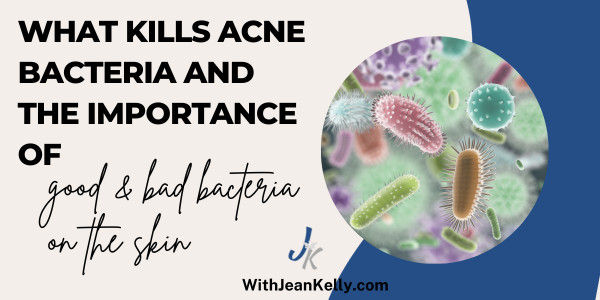
There are bacteria that live on the skin but not all bacteria is bad. Good bacteria on the skin helps to balance the skin’s pH level, prevent acne formation, and maintain skin hydration. When we use harsh soap or start antibiotic treatment, we damage all of the bacteria on the skin, including the good bacteria.

The imbalance or deficiency in good bacteria can lead to various skin problems, including inflammation, more acne, eczema, and fungal infections.

What are Some Ways to Promote Healthy Bacteria on the Skin?

Probiotics are good bacteria that support the immune system and prevent the growth of harmful bacteria on the skin and in the gut. Eating more fresh fruits and vegetables, fermented foods, and taking probiotic supplements are excellent ways to promote the healthy bacteria. Using antibacterial soaps can kill off the beneficial bacteria on your skin so it’s best to use them in moderation.

Acne is a common skin condition that can be frustrating for any teenager. Treating acne by eliminating bacteria on the skin is essential, but it is equally important to maintain a balance of good bacteria on the skin. Parents can help their teenagers combat acne effectively by promoting good bacteria on the skin by eating a healthy diet and using skincare products correctly.

Understanding the importance of maintaining a balance between good bacteria and bad bacteria on the skin and in the gut can go a long way in treating and preventing acne. By incorporating the right antibacterial products and promoting good bacteria with the right foods, parents can ensure their teens have healthy skin and live with confidence and self-esteem.

If you would like a free guide with “Healthy Snacks for Clear Skin” you can find that HERE

Breaking Down Acne: Understanding Fungal, Cystic and Hormonal Acne

Breaking Down Acne: Understanding Fungal, Cystic and Hormonal Acne

Ah yes, acne, the common skin condition that teens and parents alike can’t seem to escape. But did you know that not all acne is the same? No, it’s not just a matter of a simple whitehead or blackhead. There are three types, in particular, that tend to cause the most confusion:

  • fungal
  • cystic
  • and hormonal acne

Don’t worry, parents, I’ve got you covered. In this blog post, I’ll dive deep into these three types of acne and break down the key differences. So sit back, relax, and prepare to learn how to tell the difference. You may be interested in a free guide “6 Common Causes of Hormonal Acne” you can find that HERE

Fungal
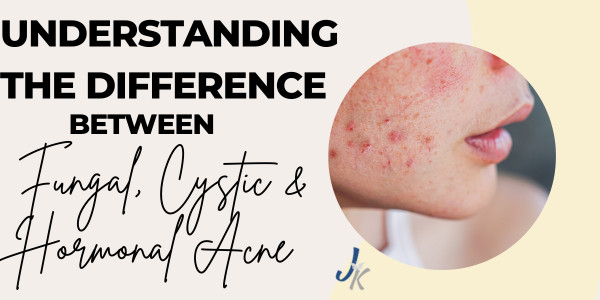
Let’s start with fungal acne. Contrary to what you may think, it’s not caused by poor hygiene or bacteria. It’s actually caused by (you guessed it) yeast. Fungal acne is typically found on the forehead, chest, and back and often appears as tiny, colorless bumps that can be itchy. Unlike other types of acne, it’s typically not inflamed. The main trigger for fungal acne is heat and humidity, so it’s important to stay cool and dry to prevent it. This sometimes occurs if your child is in sports or wears a helmet a lot. The good news is that it’s treatable with anti-fungal medication, so if you suspect your teen has fungal acne, start with a anti-dandruff shampoo like Nizoral.

Cystic
Next up, we have cystic acne. This type of acne is different from regular pimples because it forms deeper in the skin. It’s typically characterized by large, painful, and inflamed bumps that don’t come to a head. Cystic acne is caused by an overproduction of oil and bacteria in the skin. Hormones can also play a role in triggering cystic acne. It’s important to note that picking or popping cystic acne can spread the bacteria causing more pimples and also can lead to scarring, so it’s best to not pick at them. A Skincare routine for cystic acne typically involves a benzoyl peroxide or a Clay with sulfur that can clean out deep into the pores.

Hormonal
Lastly, we have hormonal acne. As you may have guessed, this type of acne is caused by a hormonal imbalance. It’s typically seen in teen girls and women and often appears around the chin and jawline. Hormonal acne is characterized by deep, painful, and inflamed cysts that often appear in clusters. It tends to flare up around the time of the menstrual cycle. A holistic approach to getting your cycle in balance can be by seed cycling. I have a free guide “6 Common Causes of Hormonal Acne” you can find it HERE if you’re interested.

And there you have it, parents, a crash course in fungal, cystic, and hormonal acne. Armed with this knowledge, you’ll be able to better identify the type of acne your teen may be experiencing and seek out the appropriate treatment. Remember, if you suspect your teen has acne, it’s important to seek advice from an acne specialist ensure the best course of action. In the meantime, stay cool, dry, and acne-free!

Have a fabulous day!
Jean Kelly
Acne Specialist