
Understanding the Stress-Acne Connection: How Stress Hormones Trigger Breakouts

Understanding the Stress-Acne Connection: How Stress Hormones Trigger Breakouts

Understanding the Stress-Acne Connection: How Stress Hormones Trigger Breakouts

If your teen’s acne seems to flare up during stressful times, like before a big test, social event or during hectic school weeks, you’re not imagining things. There’s a well-documented link between stress and acne and understanding how stress hormones contribute to breakouts can be the key to managing them more effectively. In this post, we’ll dive into the science behind the stress-acne connection and offer insights on how to reduce the impact of stress on your teen’s skin.
You can grab a free guide “Stress Relief Journal Prompts” HERE to help your teen figure out their stress triggers.

How Does Stress Trigger Acne?
When your teen experiences stress, whether due to school pressures, social anxieties, or personal concerns, the body responds by releasing stress hormones such as cortisol and adrenaline. These hormones are part of the “fight-or-flight” response that prepares the body to face challenges. While this response is beneficial in short bursts, chronic stress can have negative effects on the body, including the skin.

One of the primary ways stress contributes to acne is through the increase of cortisol, a hormone produced by the adrenal glands. Elevated cortisol levels lead to a cascade of changes that can worsen existing acne or trigger new breakouts:

Increased Sebum Production: Stress causes the sebaceous (oil) glands in the skin to produce more sebum, an oily substance that can clog pores. The excess sebum mixes with dead skin cells and acne-causing bacteria, leading to blocked pores, inflammation and the formation of acne lesions.

Hormonal Imbalances: Cortisol can also disrupt other hormonal balances in the body, particularly androgens. Androgens, such as testosterone, stimulate oil production in the skin. When these hormones are out of balance due to stress, it can further exacerbate sebum production and lead to more severe breakouts.

Weakened Skin Barrier: Chronic stress impairs the skin’s natural barrier function, making it more susceptible to inflammation and bacterial infections. A weakened skin barrier means that acne lesions are more likely to become inflamed and take longer to heal.

Increased Inflammation: Stress can trigger an inflammatory response in the body, which not only affects the skin but also causes existing acne lesions to become more red, swollen and painful. This inflammation can also contribute to post-acne scarring and pigmentation.

Recognizing the Signs of Stress-Related Acne
Stress-related acne often appears as deep, inflamed pimples, particularly along the jawline, chin and cheeks. It may also manifest as an increase in oiliness or blackheads in areas where your teen typically doesn’t break out. If you notice a sudden flare-up coinciding with a stressful period, like exam time or a school dance, it’s a good indicator that stress might be playing a role.

Tips for Managing Stress and Its Impact on Acne
While it’s impossible to eliminate stress entirely, there are ways to manage it and reduce its impact on your teen’s skin:

Encourage Stress-Reducing Activities: Activities like exercise, yoga, meditation or even a walk outside can help lower cortisol levels and reduce stress. Encourage your teen to find stress-relieving practices that they enjoy and can incorporate into their daily routine.

Promote Healthy Sleep Habits: Stress often disrupts sleep and poor sleep can further worsen acne. Ensure your teen is getting enough rest each night to help regulate their stress levels and support their skin health.

Support a Balanced Diet: Eating a healthy diet rich in fruits, vegetables and whole grains can support the body’s ability to handle stress and keep the skin balanced. Foods high in omega-3 fatty acids, like salmon and walnuts, have anti-inflammatory properties that can help reduce acne flare-ups.

Establish a Gentle Skincare Routine: Stress can make the skin more sensitive, so it’s important to avoid harsh products that can further irritate the skin. Opt for gentle, non-comedogenic products that soothe and protect the skin’s barrier.

Understanding the connection between stress and acne can help you and your teen take proactive steps to manage breakouts during high-pressure times. By focusing on stress-reducing techniques and maintaining a consistent skincare routine, your teen can achieve healthier skin and feel more confident, even during life’s stressful moments.

The free guide “Stress Relief Journal Prompts” may help reduce stress and reduce breakouts, find it HERE

Have a fabulous day!

Jean Kelly
Licensed Esthetician
Acne Specialist

Mom’s come to me when they’ve tried everything but their teens acne just won’t clear.

PS.
You’re invited to join my free Facebook Group “Parents of Teens With Acne”, join HERE

If you want to get started right away with some secrets that are easy to implement and don’t cost any money, grab the online mini course “Clear Skin Secrets” HERE and start using the secrets today! It’s super affordable at only $28 and lots of moms are jumping in before the price goes up.
Embracing Imperfection: How to Help Your Teen Love Their Skin Despite Acne

Embracing Imperfection: How to Help Your Teen Love Their Skin Despite Acne

Embracing Imperfection: How to Help Your Teen Love Their Skin Despite Acne and Other Challenges

For teenagers, having clear skin can often seem like the ultimate goal, especially when faced with peer pressure and the constant bombardment of flawless images on social media. But the reality is that no one’s skin is perfect; teen acne, blemishes and other skin challenges are completely normal. As a parent, you play a crucial role in helping your teen embrace their imperfections and develop a healthy relationship with their skin. This guide will provide you with practical tips to foster self-acceptance and confidence in your teen, even if their skin isn’t picture-perfect.

Understanding the Emotional Impact of Acne and Skin Imperfections
Acne and other skin issues can take a significant toll on a teen’s emotional well-being. When they look in the mirror and see breakouts or scars, it’s easy for them to feel embarrassed or ashamed. These feelings can affect their self-esteem, social life and even their mental health. They may withdraw from social activities, avoid taking pictures or use heavy makeup to cover up their skin; all signs that they’re struggling to accept their appearance.

But it’s important to remember that loving and accepting their skin doesn’t mean your teen has to be satisfied with their acne or stop seeking treatment. Rather, it’s about helping them understand that their self-worth is not defined by the state of their skin and encouraging them to see beyond surface imperfections.

Tips to Help Your Teen Embrace Their Skin and Build Self-Acceptance

Encourage Positive Self-Talk and Affirmations
Help your teen recognize and challenge negative thoughts about their skin. Encourage them to use positive affirmations, such as, “I am more than my skin,” or “My worth is not defined by my appearance.” Practice saying these affirmations together, and gently remind your teen whenever you notice them being self-critical. I like writing an affirmation on a sticky note and put them on the bathroom mirrors! Over time, this practice can help shift their mindset and build resilience against negative self-talk.

Create a Supportive and Open Environment
Talk openly with your teen about their feelings regarding their skin. Ask them how their acne makes them feel and listen without judgment or dismissal. Let them know it’s okay to feel upset or frustrated, but also emphasize that everyone experiences skin issues at some point, and it doesn’t diminish their value. Your understanding and empathy will help them feel supported and less alone in their struggles.

Shift the Focus Away from Appearance
While it’s natural for teens to care about how they look, help them understand that there’s more to life than outward appearance. Encourage your teen to focus on their strengths, talents and interests. Whether it’s sports, art or academics, getting involved in activities they love can help them see their value beyond their skin and give them a sense of accomplishment and joy.

Focus on Healthy Skincare Habits, Not Perfection
Help your teen build a skincare routine that emphasizes health over perfection. Teach them that caring for their skin is about supporting its natural processes, not striving for a flawless complexion. Encourage them to be gentle with their skin, avoid harsh products and prioritize hydration and sun protection. A balanced routine, free from unrealistic expectations, will help them feel good about caring for their skin without pressure.

Emphasize That Improvement Takes Time
One of the hardest parts of dealing with acne is the slow and often unpredictable process of improvement. Remind your teen that even with the best skincare routine, changes won’t happen overnight. Emphasize patience and persistence, and avoid placing too much importance on immediate results. Remind them that a pimple can be brewing under the skin for up to 3 months before it appears so there’s no quick fix when clearing the skin. Help them set realistic goals, like improving skin health rather than achieving a blemish-free complexion.

Celebrate Wins and Progress
Celebrate small victories with your teen, whether it’s sticking to their skincare routine or showing up confidently at a social event despite their insecurities. Positive reinforcement helps them feel supported and motivates them to keep embracing who they are. Your encouragement and praise will reinforce the idea that they are valued and loved for who they are, not for how they look.

Teaching Your Teen to Love Their Skin
Helping your teen embrace their skin, imperfections and all, is an ongoing process that requires patience, understanding and compassion. By fostering an environment of acceptance and focusing on inner strengths and healthy habits, you can guide your teen toward greater self-love and confidence. Remember, true beauty comes from self-acceptance and teaching your teen to love their skin is one of the greatest gifts you can give them. With your support, they’ll learn to navigate their skin challenges with grace and resilience, emerging stronger and more self-assured.
Have a fabulous day!

Jean Kelly
Licensed Esthetician
Acne Specialist

Mom’s come to me when they’ve tried everything but their teens acne just won’t clear.

PS.
You’re invited to join my free Facebook Group “Parents of Teens With Acne”, join HERE

If you want to get started right away with some secrets that are easy to implement and don’t cost any money, grab the online mini course “Clear Skin Secrets” HERE and start using the secrets today! It’s super affordable at only $28 and lots of moms are jumping in before the price goes up.
I also wrote some books that might help. If you’re interested in those you can find them HERE

From Breakouts to Breakthrough: How Hannah Regained Her Confidence with the Epidermal Repair Method

From Breakouts to Breakthrough: How Hannah Regained Her Confidence with the Epidermal Repair Method

From Breakouts to Breakthrough: How Hannah Regained Her Confidence with the Epidermal Repair Method

For Hannah, severe acne wasn’t just a skin issue, it was a constant battle that impacted every aspect of her life. From avoiding social events to feeling embarrassed during class presentations, acne controlled her self-esteem and left her feeling isolated. After years of trying countless treatments and visiting multiple dermatologists without success, Hannah finally found a solution that worked: Jean Kelly’s exclusive “Epidermal Repair Method with Cellular Turnover”.

Here’s Hannah’s inspiring journey to clear skin and newfound confidence.

Struggling with Severe Acne: Hannah’s Story
Like many teens, Hannah’s struggle with acne began during puberty. Initially, it was mild and she managed it with typical over-the-counter products. However, as time went on, her acne worsened. Red, inflamed cysts began to appear on her cheeks, jawline and forehead, often leaving painful scars that were slow to heal. The more she tried to treat it, the worse it seemed to get.

Hannah’s parents took her to several dermatologists, but none of the prescribed treatments seemed to work. From topical creams to oral antibiotics, everything failed to control her breakouts. Feeling frustrated and defeated, Hannah started losing hope. She began skipping social events and became increasingly withdrawn, fearing that people were judging her based on her skin.

Finding Hope: Discovering the Epidermal Repair Method
One day, Hannah’s mother came across an article about Jean Kelly’s “Epidermal Repair Method with Cellular Turnover”. The method was praised for its gentle approach to treating stubborn acne and repairing the skin from the inside out. Intrigued by the testimonials, Hannah’s mother decided to book a consultation.

During the initial consultation, Jean Kelly conducted a thorough skin analysis and explained that the reason Hannah’s acne persisted was due to some triggering foods and a compromised skin barrier and sluggish cellular turnover. The Epidermal Repair Method was designed to target these issues by focusing on repairing the skin’s barrier, reducing inflammation and promoting faster cell renewal.

The Epidermal Repair Method: A Game-Changer
Hannah’s customized treatment plan included Jean Kelly’s signature Epidermal Repair Method, which utilized a combination of gentle exfoliation techniques, targeted serums and advanced skincare technology to increase cellular turnover. The process involved a carefully curated regimen that was designed to balance her skin’s natural oil production, eliminate acne-causing bacteria and fade existing scars.

Within the first month, Hannah noticed a significant reduction in inflammation and fewer active breakouts. By the third month, her skin was smoother and the redness had diminished. Jean also incorporated calming treatments to soothe Hannah’s skin and help it recover faster.

As Hannah’s skin cleared up, her confidence began to return. She no longer avoided mirrors or spent hours trying to cover up blemishes. Friends and family noticed the change; not just in her skin but in her attitude and self-assurance.

A New Chapter: Hannah’s Clear Skin and Renewed Confidence
After completing the Epidermal Repair Method program, Hannah’s skin was transformed. She went from battling painful cystic acne to having a clear, glowing complexion. More importantly, she regained the confidence to be herself again. Hannah now enjoys hanging out with friends, speaking up in class and taking photos without hesitation.

“Hannah’s story is a reminder that effective acne treatment is not just about clearing the skin; it’s about helping individuals regain their confidence and improve their quality of life,” says Jean Kelly.

For those struggling with stubborn acne, Hannah’s success story proves that there is hope. With the right treatment and support, clear skin and confidence are possible.

Have a fabulous day!

Jean Kelly
Licensed Esthetician
Acne Specialist

Mom’s come to me when they’ve tried everything but their teens acne just won’t clear.

PS.
You’re invited to join my free Facebook Group “Parents of Teens With Acne”, join HERE

If you want to get started right away with some secrets that are easy to implement and don’t cost any money, grab the online mini course “Clear Skin Secrets” HERE and start using the secrets today! It’s super affordable at only $28 and lots of moms are jumping in before the price goes up.
If you’d like to know if the exclusive Epidermal Repair Method would be right for you, send an email to: AcneClinic111@gmail.com

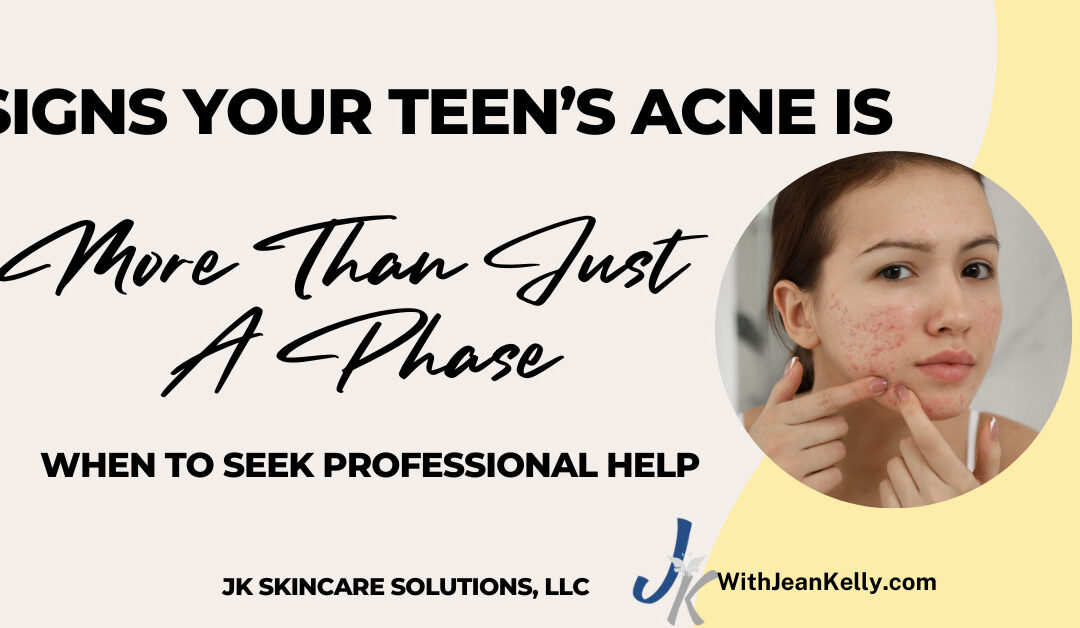
Signs Your Teen’s Acne Is More Than Just a Phase

Signs Your Teen’s Acne Is More Than Just a Phase

Signs Your Teen’s Acne Is More Than Just a Phase: When to Seek Professional Help

It’s common for teens to experience occasional acne flare-ups due to hormonal changes, but how do you know when it’s more than just a passing phase? As a parent, it can be challenging to distinguish between typical teenage breakouts and more severe skin conditions that require professional intervention. Persistent or severe acne can affect your child’s self-esteem and even lead to permanent scarring if not treated correctly. Understanding when to seek the help of an acne specialist is essential for ensuring your teen’s skin health and emotional well-being.

In this post, we’ll explore key signs that indicate your teen’s acne may need professional treatment and how to determine if it’s time to consult an expert.

  1. Acne Is Not Responding to Over-the-Counter Treatments
    One of the first signs that your teen’s acne may need professional help is if it’s not responding to over-the-counter (OTC) treatments. OTC products like benzoyl peroxide, salicylic acid and topical retinoids are designed to manage mild to moderate acne. However, if your teen has been using these products consistently for at least 8-12 weeks without noticeable improvement, it may indicate that their acne is more stubborn and requires a customized skincare routine and some dietary changes. Consulting with an acne specialist can help identify the underlying causes and recommend more effective solutions.
  2. Frequent Cystic or Nodular Acne Breakouts
    Not all acne is created equal. If your teen is experiencing frequent cystic or nodular acne, it’s a strong indicator that their condition is severe. These deep, painful bumps are often filled with pus and can lead to scarring if left untreated. Unlike regular whiteheads or blackheads, cystic and nodular acne may need products that reduce inflammation and control bacteria on the skin. Some products that may help are a Hypochlorous Acid spray or a product with a low percent of benzoyl peroxide.
  3. Acne Is Causing Emotional Distress
    Acne is more than just a skin condition—it can have a profound impact on a teen’s mental health. If your child is becoming increasingly self-conscious, avoiding social interactions or showing signs of depression or anxiety related to their skin, it’s time to take the condition seriously. Persistent acne can lead to feelings of embarrassment, low self-esteem and social withdrawal. Seeking help from a professional who specializes in acne treatment can not only help clear their skin but also boost their confidence and emotional well-being.
  4. Family History of Severe Acne
    If there’s a family history of severe or persistent acne, your teen may be genetically predisposed to more stubborn or complex cases. Acne that runs in families often requires early intervention to prevent it from becoming more difficult to treat over time. An acne specialist can evaluate your teen’s specific skin type and recommend a personalized treatment plan that considers their genetic background.
  5. Signs of Scarring or Skin Discoloration
    Scarring or post-inflammatory hyperpigmentation (dark spots) are indicators that your teen’s acne is causing lasting damage to the skin. If your child is left with marks even after pimples have healed, it’s a sign that the inflammation is deep and causing tissue damage. Professional help is crucial at this stage to prevent further scarring and help reduce the appearance of existing marks through treatments like chemical peels. Sunscreen is a must to keep the dark spots from becoming darker.

When to See an Acne Specialist
If any of these signs sound familiar, it’s time to consider consulting with an acne specialist. Early intervention can prevent acne from worsening and help your teen regain their confidence. An expert can provide a thorough evaluation, identify the root causes of their acne, and offer a tailored treatment plan to achieve clearer, healthier skin. Don’t wait for acne to become a bigger problem—seek professional guidance and support your teen in achieving the skin they deserve.

Have a fabulous day!

Jean Kelly
Licensed Esthetician
Acne Specialist

Mom’s come to me when they’ve tried everything but their teens acne just won’t clear.

PS.
You’re invited to join my free Facebook Group “Parents of Teens With Acne”, join HERE

If you want to get started right away with some secrets that are easy to implement and don’t cost any money, grab the online mini course “Clear Skin Secrets” HERE and start using the secrets today! It’s super affordable at only $28 and lots of moms are jumping in before the price goes up.

If you’d like some more Free Resources, you can find them HERE

Essential Oils for Acne: What Works and What Doesn’t?

Essential Oils for Acne: What Works and What Doesn’t?

Essential Oils for Acne: What Works and What Doesn’t? Exploring the Best Natural Remedies

When it comes to treating acne, many people look for natural remedies that can help soothe breakouts and reduce inflammation. Essential oils have gained popularity for their potential skincare benefits, but not all of them are created equal. While some essential oils can effectively target acne, others might not deliver the desired results or may even irritate the skin. In this post, we’ll explore which essential oils work for acne, which ones to avoid and why using high-quality oils is crucial for achieving clearer skin.

Do Essential Oils Really Help Acne?
Essential oils are plant-based extracts known for their therapeutic properties. Some of them possess antibacterial, anti-inflammatory and healing qualities that can make them beneficial for acne-prone skin. However, essential oils should be used with caution. They are highly concentrated and can cause skin irritation or allergic reactions if not diluted properly.

Research has shown that certain essential oils can reduce acne-causing bacteria and help manage inflammation. However, it’s essential to choose oils that are suitable for your skin type and use them correctly to avoid further irritation.

Best Essential Oils for Acne-Prone Skin

Tea Tree Oil: Best for Acne Treatment
One of the most well-known essential oils for treating acne is tea tree oil. This powerful oil has antibacterial and anti-inflammatory properties that can reduce the severity of breakouts. Research has shown that a 5% concentration of tea tree oil is as effective as benzoyl peroxide in treating mild to moderate acne, but with fewer side effects like dryness and peeling.

How to Use: Dilute tea tree oil with a carrier oil such as jojoba, sweet almond oil or Vitamin E and apply it as a spot treatment directly on blemishes.

Lavender Oil: Soothing and Calming
Lavender oil is celebrated for its calming and anti-inflammatory effects. It helps soothe irritated skin, reduce redness and promote healing. While it’s not as potent as tea tree oil in combating acne-causing bacteria, it’s a great option for sensitive skin types.

How to Use: Mix a few drops of lavender oil with a carrier oil and apply it to inflamed areas or use it as a nighttime moisturizer.

Rosemary Oil: Reduces Oil Production
Rosemary oil is beneficial for those with oily and combination skin. It has antimicrobial properties that can help prevent acne and regulate excess oil production, making it a good choice for those who experience frequent breakouts.

How to Use: Add a few drops of rosemary oil to your regular moisturizer or face mask for added benefits.

Essential Oils That Don’t Work for Acne (and Why)
While some essential oils can help treat acne, others might not be effective or could worsen the condition. Avoid using highly fragrant oils like cinnamon, clove, or lemongrass directly on the skin. These oils are known to be irritants and can cause redness, itching, or burns, especially when used undiluted. Also look at the ingredients on the bottle and if it says “fragrance” it’s not a real essential oil, it’s synthetic, made in a laboratory.

The Importance of Quality Essential Oils
When using essential oils for acne, quality matters. Low-quality or synthetic oils can contain additives and impurities that may irritate the skin. Always choose 100% pure, therapeutic-grade oils from reputable brands. Look for oils that are steam-distilled or cold-pressed, and check for third-party testing to ensure purity and potency. The oils I use for myself can be found HERE if you’re interested, otherwise use your favorite brand.

Choosing the Right Essential Oils for Acne
While essential oils can be a beneficial addition to your skincare routine, it’s crucial to select the right ones and use them with care. Tea tree, lavender and rosemary oils have shown promise in treating acne, but always remember to dilute them with a carrier oil and conduct a patch test before applying them to your face. With proper use, high-quality essential oils can be a natural, effective way to manage breakouts and support healthier skin.

These are the essential oils I use HERE

Have a fabulous day!

Jean Kelly
Licensed Esthetician
Acne Specialist

Mom’s come to me when they’ve tried everything but their teens acne just won’t clear.

PS.
You’re invited to join my free Facebook Group “Parents of Teens With Acne”, join HERE

If you want to get started right away with some secrets that are easy to implement and don’t cost any money, grab the online mini course “Clear Skin Secrets” HERE and start using the secrets today! It’s super affordable at only $28 and lots of moms are jumping in before the price goes up.