Signs Your Teen’s Acne Is More Than Just a Phase

Signs Your Teen’s Acne Is More Than Just a Phase

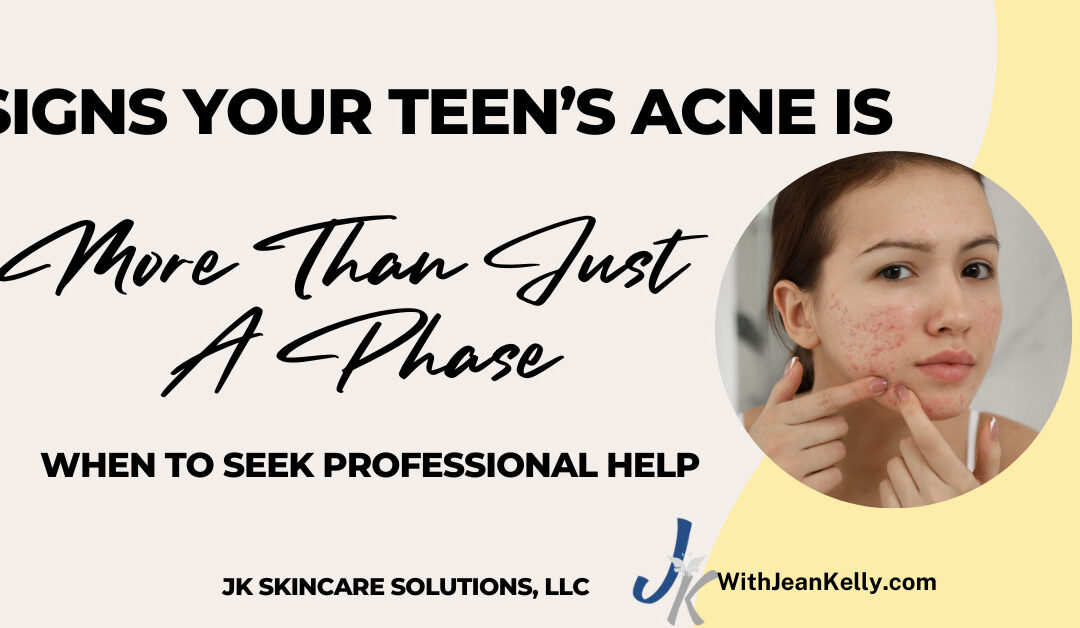
Signs Your Teen’s Acne Is More Than Just a Phase: When to Seek Professional Help

It’s common for teens to experience occasional acne flare-ups due to hormonal changes, but how do you know when it’s more than just a passing phase? As a parent, it can be challenging to distinguish between typical teenage breakouts and more severe skin conditions that require professional intervention. Persistent or severe acne can affect your child’s self-esteem and even lead to permanent scarring if not treated correctly. Understanding when to seek the help of an acne specialist is essential for ensuring your teen’s skin health and emotional well-being.

In this post, we’ll explore key signs that indicate your teen’s acne may need professional treatment and how to determine if it’s time to consult an expert.

  1. Acne Is Not Responding to Over-the-Counter Treatments
    One of the first signs that your teen’s acne may need professional help is if it’s not responding to over-the-counter (OTC) treatments. OTC products like benzoyl peroxide, salicylic acid and topical retinoids are designed to manage mild to moderate acne. However, if your teen has been using these products consistently for at least 8-12 weeks without noticeable improvement, it may indicate that their acne is more stubborn and requires a customized skincare routine and some dietary changes. Consulting with an acne specialist can help identify the underlying causes and recommend more effective solutions.
  2. Frequent Cystic or Nodular Acne Breakouts
    Not all acne is created equal. If your teen is experiencing frequent cystic or nodular acne, it’s a strong indicator that their condition is severe. These deep, painful bumps are often filled with pus and can lead to scarring if left untreated. Unlike regular whiteheads or blackheads, cystic and nodular acne may need products that reduce inflammation and control bacteria on the skin. Some products that may help are a Hypochlorous Acid spray or a product with a low percent of benzoyl peroxide.
  3. Acne Is Causing Emotional Distress
    Acne is more than just a skin condition—it can have a profound impact on a teen’s mental health. If your child is becoming increasingly self-conscious, avoiding social interactions or showing signs of depression or anxiety related to their skin, it’s time to take the condition seriously. Persistent acne can lead to feelings of embarrassment, low self-esteem and social withdrawal. Seeking help from a professional who specializes in acne treatment can not only help clear their skin but also boost their confidence and emotional well-being.
  4. Family History of Severe Acne
    If there’s a family history of severe or persistent acne, your teen may be genetically predisposed to more stubborn or complex cases. Acne that runs in families often requires early intervention to prevent it from becoming more difficult to treat over time. An acne specialist can evaluate your teen’s specific skin type and recommend a personalized treatment plan that considers their genetic background.
  5. Signs of Scarring or Skin Discoloration
    Scarring or post-inflammatory hyperpigmentation (dark spots) are indicators that your teen’s acne is causing lasting damage to the skin. If your child is left with marks even after pimples have healed, it’s a sign that the inflammation is deep and causing tissue damage. Professional help is crucial at this stage to prevent further scarring and help reduce the appearance of existing marks through treatments like chemical peels. Sunscreen is a must to keep the dark spots from becoming darker.

When to See an Acne Specialist
If any of these signs sound familiar, it’s time to consider consulting with an acne specialist. Early intervention can prevent acne from worsening and help your teen regain their confidence. An expert can provide a thorough evaluation, identify the root causes of their acne, and offer a tailored treatment plan to achieve clearer, healthier skin. Don’t wait for acne to become a bigger problem—seek professional guidance and support your teen in achieving the skin they deserve.

Have a fabulous day!

Jean Kelly
Licensed Esthetician
Acne Specialist

Mom’s come to me when they’ve tried everything but their teens acne just won’t clear.

PS.
You’re invited to join my free Facebook Group “Parents of Teens With Acne”, join HERE

If you want to get started right away with some secrets that are easy to implement and don’t cost any money, grab the online mini course “Clear Skin Secrets” HERE and start using the secrets today! It’s super affordable at only $28 and lots of moms are jumping in before the price goes up.

If you’d like some more Free Resources, you can find them HERE
Essential Oils for Acne: What Works and What Doesn’t?

Essential Oils for Acne: What Works and What Doesn’t?

Essential Oils for Acne: What Works and What Doesn’t? Exploring the Best Natural Remedies

When it comes to treating acne, many people look for natural remedies that can help soothe breakouts and reduce inflammation. Essential oils have gained popularity for their potential skincare benefits, but not all of them are created equal. While some essential oils can effectively target acne, others might not deliver the desired results or may even irritate the skin. In this post, we’ll explore which essential oils work for acne, which ones to avoid and why using high-quality oils is crucial for achieving clearer skin.

Do Essential Oils Really Help Acne?
Essential oils are plant-based extracts known for their therapeutic properties. Some of them possess antibacterial, anti-inflammatory and healing qualities that can make them beneficial for acne-prone skin. However, essential oils should be used with caution. They are highly concentrated and can cause skin irritation or allergic reactions if not diluted properly.

Research has shown that certain essential oils can reduce acne-causing bacteria and help manage inflammation. However, it’s essential to choose oils that are suitable for your skin type and use them correctly to avoid further irritation.

Best Essential Oils for Acne-Prone Skin

Tea Tree Oil: Best for Acne Treatment
One of the most well-known essential oils for treating acne is tea tree oil. This powerful oil has antibacterial and anti-inflammatory properties that can reduce the severity of breakouts. Research has shown that a 5% concentration of tea tree oil is as effective as benzoyl peroxide in treating mild to moderate acne, but with fewer side effects like dryness and peeling.

How to Use: Dilute tea tree oil with a carrier oil such as jojoba, sweet almond oil or Vitamin E and apply it as a spot treatment directly on blemishes.

Lavender Oil: Soothing and Calming
Lavender oil is celebrated for its calming and anti-inflammatory effects. It helps soothe irritated skin, reduce redness and promote healing. While it’s not as potent as tea tree oil in combating acne-causing bacteria, it’s a great option for sensitive skin types.

How to Use: Mix a few drops of lavender oil with a carrier oil and apply it to inflamed areas or use it as a nighttime moisturizer.

Rosemary Oil: Reduces Oil Production
Rosemary oil is beneficial for those with oily and combination skin. It has antimicrobial properties that can help prevent acne and regulate excess oil production, making it a good choice for those who experience frequent breakouts.

How to Use: Add a few drops of rosemary oil to your regular moisturizer or face mask for added benefits.

Essential Oils That Don’t Work for Acne (and Why)
While some essential oils can help treat acne, others might not be effective or could worsen the condition. Avoid using highly fragrant oils like cinnamon, clove, or lemongrass directly on the skin. These oils are known to be irritants and can cause redness, itching, or burns, especially when used undiluted. Also look at the ingredients on the bottle and if it says “fragrance” it’s not a real essential oil, it’s synthetic, made in a laboratory.

The Importance of Quality Essential Oils
When using essential oils for acne, quality matters. Low-quality or synthetic oils can contain additives and impurities that may irritate the skin. Always choose 100% pure, therapeutic-grade oils from reputable brands. Look for oils that are steam-distilled or cold-pressed, and check for third-party testing to ensure purity and potency. The oils I use for myself can be found HERE if you’re interested, otherwise use your favorite brand.

Choosing the Right Essential Oils for Acne
While essential oils can be a beneficial addition to your skincare routine, it’s crucial to select the right ones and use them with care. Tea tree, lavender and rosemary oils have shown promise in treating acne, but always remember to dilute them with a carrier oil and conduct a patch test before applying them to your face. With proper use, high-quality essential oils can be a natural, effective way to manage breakouts and support healthier skin.

These are the essential oils I use HERE

Have a fabulous day!

Jean Kelly
Licensed Esthetician
Acne Specialist

Mom’s come to me when they’ve tried everything but their teens acne just won’t clear.

PS.
You’re invited to join my free Facebook Group “Parents of Teens With Acne”, join HERE

If you want to get started right away with some secrets that are easy to implement and don’t cost any money, grab the online mini course “Clear Skin Secrets” HERE and start using the secrets today! It’s super affordable at only $28 and lots of moms are jumping in before the price goes up.

Busting the Myth: Does Washing Your Face More Often Help Acne?

Busting the Myth: Does Washing Your Face More Often Help Acne?

Busting the Myth: Does Washing Your Face More Often Help Acne?

One of the most common myths about acne is that washing your face frequently can prevent breakouts. It’s easy to see why this misconception persists, after all, acne is often associated with dirt and oil, so it seems logical to think that scrubbing your face more often would keep your skin clearer. However, the reality is far more complex. Not only does over-washing your face not prevent acne, but it can also make the condition worse. Let’s take a closer look at why this is the case and debunk the myth once and for all.

Why Washing Your Face Too Often Can Backfire
Cleansing your face is an essential part of any skincare routine, but doing it too often or too harshly with strong products can disrupt the skin’s natural balance. The skin has a protective barrier made up of natural oils, moisture and beneficial bacteria that help keep it healthy and functioning properly. When you wash your face excessively, you strip away these natural oils, which can lead to several unwanted effects:

Increased Oil Production: Over-washing can signal to your skin that it is too dry and dehydrated. In response, your sebaceous (oil) glands may go into overdrive and produce even more oil to compensate for the dryness. This excess oil can clog pores, leading to more breakouts instead of fewer.

Skin Irritation and Sensitivity: Scrubbing your face multiple times a day, especially with harsh cleansers or exfoliants, can irritate the skin and cause redness, inflammation, stinging and even micro-tears. When the skin is irritated, it is more prone to breakouts and less able to heal existing blemishes.

Compromised Skin Barrier: The outermost layer of your skin, known as the stratum corneum, acts as a barrier that protects against harmful bacteria and environmental pollutants. Over-washing can weaken this barrier, making it easier for bacteria and irritants to penetrate the skin, leading to more acne and other skin problems. Repairing the skin barrier is the first thing I work on with my clients.

How Often Should You Really Wash Your Face?
The recommended frequency for washing your face is twice a day—once in the morning and once before bed. If your skin is particularly oily or you’ve been sweating due to exercise, you can add a gentle cleansing session post-workout. However, more than this is generally unnecessary and can do more harm than good.

When choosing a cleanser, opt for gentle, pH-balanced products that are suitable for your skin type. Avoid harsh soaps, alcohol-based products and scrubbing brushes, as these can exacerbate irritation and dryness.

What’s the Best Way to Prevent Breakouts?
Instead of focusing on washing your face more often, aim for a gentle skincare approach that includes:

Consistent Cleansing: Wash your face twice a day with a gentle cleanser.

Moisturizing: Keep your skin hydrated with a lightweight, non-comedogenic moisturizer.

Sun Protection: Apply sunscreen daily to protect your skin from UV damage, which can worsen acne.

Balanced Diet and Hydration: Maintain a healthy diet and drink plenty of water to support overall skin health.

Washing your face more often is not the solution to acne breakouts. In fact, it can make your skin produce more oil, cause irritation and ultimately lead to more blemishes. Stick to a balanced skincare routine and focus on maintaining the health of your skin barrier to achieve clearer, healthier skin. Remember, less is often more, when it comes to caring for acne-prone skin.

Have a fabulous day!

Jean Kelly
Licensed Esthetician
Acne Specialist

Mom’s come to me when they’ve tried everything but their teens acne just won’t clear.

PS.
You’re invited to join my free Facebook Group “Parents of Teens With Acne”, join HERE

If you want to get started right away with some secrets that are easy to implement and don’t cost any money, grab the online mini course “Clear Skin Secrets” HERE and start using the secrets today! It’s super affordable at only $28 and lots of moms are jumping in before the price goes up.

The Connection Between Diet and Acne: What Does the Research Say?

The Connection Between Diet and Acne: What Does the Research Say?

The Connection Between Diet and Acne: What Does the Research Say?

For years, the link between diet and acne has been a topic of debate among dermatologists, nutritionists, and skincare enthusiasts. Many teens and parents wonder if certain foods might be making acne worse or whether changes in diet could help clear up the skin. Although research is ongoing, several studies have provided evidence suggesting that dietary choices can indeed play a role in the development and severity of acne. Understanding this connection can empower you to make more informed decisions about what you eat and how it might impact your skin health. Grab the free guide, “Snack Ideas for Clearer Skin” HERE if you’re interested.

What Does the Research Say About Diet and Acne?
While it’s important to note that there is no single cause of acne—factors such as hormones, genetics and skincare habits all contribute—dietary choices can influence the skin’s condition. Here’s an overview of the most recent research findings on diet and acne:

High Glycemic Index Foods and Acne
One of the most well-researched areas regarding diet and acne is the effect of high glycemic index (GI) foods. High GI foods, such as sugary snacks, white bread, and refined carbohydrates, cause a rapid spike in blood sugar levels. This spike leads to increased insulin production, which in turn can raise levels of androgens (hormones that stimulate the production of sebum, or oil, in the skin).

Studies have shown that a high glycemic diet is associated with an increase in acne severity. A study published in the Journal of the American Academy of Dermatology found that participants who followed a low-glycemic diet experienced a significant reduction in acne lesions compared to those who consumed a high-glycemic diet. The researchers concluded that lowering blood sugar levels through diet might help reduce excess sebum production, thereby reducing acne outbreaks.

Dairy Consumption and Acne
Another dietary factor that has been linked to acne is the consumption of dairy products. Several studies suggest that milk, particularly skim milk, may contribute to acne development. The exact reason is still under investigation, but some theories suggest that hormones present in milk or the insulin-like growth factor (IGF-1) could play a role.

A large study involving over 47,000 women found that those who consumed higher amounts of milk had a greater likelihood of experiencing acne. Another study conducted among adolescents also reported a positive association between milk intake and the prevalence of acne. While the research does not suggest eliminating dairy entirely, moderating intake or choosing alternatives like almond or oat milk might help reduce breakouts in some individuals.

Omega-3 Fatty Acids and Acne Reduction
Omega-3 fatty acids, commonly found in fatty fish, walnuts and flaxseeds, are known for their anti-inflammatory properties. Research suggests that a diet rich in omega-3s may help reduce inflammation in the body, which is a key factor in the development of acne.

A study published in Lipids in Health and Disease found that participants who took omega-3 supplements experienced a significant reduction in both inflammatory and non-inflammatory acne lesions. This suggests that incorporating more omega-3 rich foods into the diet could be beneficial for those struggling with acne.

What Should You Eat for Clearer Skin?
Based on current research, here are some dietary tips that may help improve acne:

Opt for Low-Glycemic Foods: Choose whole grains, fruits, vegetables and legumes over refined carbs and sugary snacks.

Moderate Dairy Intake: Consider reducing your consumption of milk and other dairy products or switching to non-dairy alternatives.

Include Omega-3 Rich Foods: Add sources of omega-3 fatty acids like salmon, chia seeds and walnuts to your meals to reduce inflammation.

While diet alone may not be the sole factor in acne development, it can certainly influence the condition of your skin. By paying attention to the foods you eat and making mindful dietary choices, you may see improvements in your acne symptoms. Remember, everyone’s skin is different, so it’s essential to observe how your body reacts to specific foods and consult a nutritionist for personalized advice.

You may like my free guide “Snack Ideas for Clearer Skin”, you can get that HERE

Have a fabulous day!

Jean Kelly
Licensed Esthetician
Acne Specialist

Mom’s come to me when they’ve tried everything but their teens acne just won’t clear.

PS.
You’re invited to join my free Facebook Group “Parents of Teens With Acne”, join HERE

If you want to get started right away with some secrets that are easy to implement and don’t cost any money, grab the online mini course “Clear Skin Secrets” HERE and start using the secrets today! It’s super affordable at only $28 and lots of moms are jumping in before the price goes up.

How Acne Affects A Teens Mental and Emotional Health

How Acne Affects A Teens Mental and Emotional Health

Understanding the Emotional Impact of Acne on Teens: How It Affects Their Mental and Emotional Health

Acne is often dismissed as a simple rite of passage during adolescence, but for many teens, it’s much more than just a physical condition. The emotional toll that acne can take on teenagers is profound, affecting their self-esteem, social interactions and overall mental health. As parents, it’s essential to recognize that acne is not just skin-deep; it can significantly impact your teen’s emotional and psychological well-being. By understanding the emotional effects of acne, you can offer the support and empathy your teen needs during this challenging time.

The Link Between Acne and Self-Esteem
Self-esteem is crucial during adolescence, a period marked by rapid physical and emotional development. It’s a time when teens are trying to establish their identity, fit in with their peers and develop confidence in their abilities and appearance. Acne, with its visible and sometimes painful lesions, can severely undermine a teen’s self-esteem and self-image.

When your teen looks in the mirror and sees breakouts, they may feel embarrassed or even ashamed of their appearance. This negative self-perception can lead to feelings of inadequacy, which may be exacerbated by social comparisons. Teens often feel pressure to conform to the flawless images they see on social media or in popular culture. When their own skin doesn’t match up, they may feel like they don’t measure up, leading to a downward spiral of self-doubt and self-criticism.

The Emotional Toll: Anxiety, Depression and Social Withdrawal
Acne doesn’t just impact how teens see themselves—it can also influence how they interact with the world around them. The condition is associated with increased levels of anxiety and depression. Research has shown that teens with acne are more likely to experience mood disorders compared to their peers with clear skin. The emotional distress caused by acne can result in feelings of sadness, frustration or hopelessness.

Socially, acne can become a barrier, making teens reluctant to participate in activities they once enjoyed. They may feel self-conscious about being seen in public or worry about being judged or ridiculed by their peers. This fear of judgment can lead to social withdrawal, where teens start avoiding school events, sports or even hanging out with friends. The isolation that follows can exacerbate feelings of loneliness and increase the risk of developing depressive symptoms.

The Impact on School Performance and Social Relationships
The emotional burden of acne can also impact a teen’s performance at school. A preoccupation with their appearance may make it difficult for them to concentrate on their studies. They might avoid speaking up in class or presenting in front of others due to fear of being scrutinized. The result can be a decrease in academic performance and a reluctance to engage in activities that involve being in the spotlight.

Additionally, acne can strain social relationships. Teens with acne might feel less attractive or less worthy of friendship or romantic attention, leading to difficulties in forming new relationships or maintaining existing ones. In extreme cases, they may even experience bullying or teasing, which can leave deep emotional scars that last long after the physical symptoms of acne have subsided.

Supporting Your Teen Through the Emotional Challenges of Acne
As a parent, it’s important to approach your teen’s acne with empathy and understanding. Acknowledge that their feelings are valid and that acne can be more than just a physical concern. Here are some ways you can support your teen:

Listen Without Judgment: Create a safe space where your teen feels comfortable sharing their thoughts and feelings. Avoid minimizing their concerns or telling them that “everyone goes through it.” While this may be true, it’s crucial to validate their experience and show that you’re there to support them.

Encourage Open Communication: Discuss the emotional impact of acne openly. Let your teen know it’s okay to talk about how acne affects their self-esteem or social interactions. If they express feelings of anxiety or depression, consider seeking guidance from a therapist or counselor who specializes in adolescent mental health.

Focus on the Positives: Help your teen build self-esteem by focusing on their strengths and qualities beyond their appearance. Encourage them to engage in activities that they enjoy and excel at, whether it’s sports, arts, or academics. Create some family traditions that they can be a part of to strengthen the family bonds.

Consider Professional Help: If your teen’s acne is affecting their mental health or self-esteem, consulting an Acne Specialist can be a proactive step. Clearing up the physical symptoms can significantly boost their confidence. Additionally, a mental health professional can provide strategies to cope with the emotional challenges associated with acne.

Empowering Teens to See Beyond Their Skin
The emotional impact of acne on teens is real and often misunderstood. By recognizing how acne affects your teen’s mental and emotional health, you can better support them during this difficult time. Encourage open conversations, provide emotional support and seek professional help if necessary. With the right guidance and a compassionate approach, you can help your teen see beyond their skin and embrace their true worth and potential.

I’ve written some books that may help you get started clearing your teens acne using simple steps that don’t cost money. You can find them HERE if you’re interested, if not no biggie!

Have a fabulous day!

Jean Kelly
Licensed Esthetician
Acne Specialist

Mom’s come to me when they’ve tried everything but their teens acne just won’t clear.

PS.
You’re invited to join my free Facebook Group “Parents of Teens With Acne”, join HERE

If you want to get started right away with some secrets that are easy to implement and don’t cost any money, grab the online mini course “Clear Skin Secrets” HERE and start using the secrets today! It’s super affordable at only $28 and lots of moms are jumping in before the price goes up.