
by Jean Kelly, Acne Specialist | May 12, 2026 | Blog
In my years of working with clients on clearing their skin naturally, I have learned something that most people never hear in a dermatologist’s office or a skincare product ad: what is happening inside your body almost always shows up on the outside. And one of the most overlooked internal factors I see connected to stubborn breakouts, hormonal imbalances, low energy and disrupted sleep is something called visceral fat.
I know, you came here for skincare advice, not a biology lesson. But stay with me, because understanding this connection genuinely changed the way I approach skin health with my clients, and it may change the way you think about your skin too.
This article is going to answer the question I get asked more and more often: what is visceral fat and how to get rid of it - and more importantly, I am going to show you why it matters for your skin, your hormones, your sleep and your overall sense of wellbeing. I am also going to share some of the lifestyle tools I personally use and recommend, including one supplement that has made a real difference in my own recovery and sleep quality.
Let’s dig in.
What Is Visceral Fat - And Why Is It Different From Regular Body Fat?
Most of us are familiar with the kind of body fat you can see or feel, the soft layer just beneath the skin on your stomach, hips or arms. That is called subcutaneous fat, and while it is something many people want to reduce, it is not the type that poses the greatest health risk.
Visceral fat is different. It lives deep inside the abdominal cavity, wrapping around your vital organs - your liver, pancreas, intestines and kidneys. You cannot pinch it or see it in the mirror, and that is exactly what makes it so easy to overlook.
Here is what makes visceral fat particularly significant: it is metabolically active. Unlike the fat sitting just under your skin, visceral fat behaves almost like its own organ. It releases inflammatory chemicals and hormone-disrupting compounds directly into your bloodstream. It interferes with insulin signaling. It elevates cortisol. It creates a slow, chronic state of internal inflammation that can affect virtually every system in your body … including your skin.
And here is something that surprises a lot of people: you do not have to appear overweight to have elevated visceral fat. Someone can be at a completely average weight and still carry enough visceral fat to experience significant health consequences. This is why the number on the scale does not always tell the whole story.
How Do You Know If Visceral Fat May Be Affecting You?
There is no single symptom that definitively points to visceral fat but there are patterns I see repeatedly in clients who are struggling with it. If several of these sound familiar, it is worth paying attention:
- Stubborn weight gain or fullness around the midsection that feels different from regular bloating
- A stomach that feels firm or hard rather than soft
- Persistent fatigue, especially that heavy afternoon energy crash
- Blood sugar swings, intense cravings or feeling hungry shortly after eating
- Trouble falling or staying asleep, or waking up feeling unrefreshed
- Hormonal acne that does not respond well to topical treatments alone
- Skin that looks dull, puffy or inflamed even when your skincare routine is consistent
- Brain fog or difficulty concentrating
- Feeling wired but tired, that cortisol-driven state where you are exhausted but cannot truly relax
- Difficulty losing weight even when you feel like you are doing everything right
If you recognize yourself in that list, please do not feel defeated. I share it not to alarm you but because recognizing these patterns is the first step toward actually addressing the root cause rather than chasing symptoms.
The Skin Connection - Why This Matters for Acne and Aging
As an esthetician and acne specialist, this is the piece I am most passionate about communicating, because it is so rarely talked about in the skincare world.
When visceral fat is elevated, inflammation is elevated. And inflammation does not stay quietly contained inside your body - it surfaces. Literally. Your skin is one of the primary places your body expresses internal imbalance and the connection between visceral fat and skin health is something I see play out with clients regularly.
Acne and breakouts. Elevated visceral fat is associated with higher insulin levels and blood sugar instability. Both of those drive increased oil production and clogged pores. Add elevated cortisol from chronic stress - which visceral fat both causes and is caused by - and you have a hormonal environment that is almost perfectly designed to produce breakouts. This is a huge reason why some people do everything right topically and still cannot clear their skin.
Accelerated skin aging. The inflammatory compounds released by visceral fat actively contribute to collagen breakdown. Collagen is what keeps skin firm, plump, and resilient. When chronic inflammation is chipping away at it from the inside, no amount of topical collagen cream is going to fully compensate. Fine lines, sagging, dullness and a loss of that healthy skin glow can all be connected to this internal process.
A compromised skin barrier. Inflammation weakens the skin barrier, the protective outer layer that keeps moisture in and irritants out. This is why clients with high internal inflammation often describe their skin as simultaneously oily and sensitive, or prone to redness and irritation even from gentle products. The barrier is simply not functioning the way it should.
Puffiness and slower healing. Poor sleep, which visceral fat disrupts, shows up in the face as puffiness and a tired, swollen appearance. And skin that is dealing with chronic internal inflammation heals more slowly from blemishes, leaving post-inflammatory marks that linger far longer than they should.
This is why I always tell my clients: what you put on your skin matters, but what you put in and do for your body matters just as much. Often more.
What Causes Visceral Fat to Accumulate?
Understanding the causes helps you see why this is not simply about eating too much or moving too little. It is genuinely more nuanced than that, and approaching it with that nuance leads to much better results.
Chronic stress and elevated cortisol. This is the big one. Cortisol, your primary stress hormone, directly signals the body to store fat in the abdominal area. Our modern lives are full of low-grade, constant stress that keeps cortisol elevated in ways our bodies were never designed to handle long-term.
Poor or insufficient sleep. Sleep deprivation disrupts the hormones that regulate hunger and fat storage. It elevates cortisol, impairs insulin sensitivity, and makes the body significantly more likely to store calories as visceral fat. This is one reason I talk about sleep so frequently with my acne clients, it is foundational to everything.
Blood sugar instability from processed foods and sugar. Frequent spikes and crashes in blood sugar drive insulin release and chronically elevated insulin is one of the primary signals that tells the body to store fat viscerally. Diets heavy in refined carbohydrates, sugar and processed foods create exactly this environment.
Insufficient muscle activity. Muscle tissue plays a critical role in insulin sensitivity and metabolic health. When we are largely sedentary, the body loses one of its most important tools for managing blood sugar and inflammation.
Hormonal imbalances. Shifts in estrogen, progesterone, testosterone and thyroid function can all influence where and how the body stores fat. This is particularly relevant for women navigating hormonal transitions at any stage of life.
What Is Visceral Fat and How to Get Rid of It - Naturally and Sustainably
I want to be honest with you here: there is no shortcut and I would not trust anyone who told you otherwise. But the genuinely encouraging news is that visceral fat tends to respond relatively well to consistent lifestyle changes, often faster than subcutaneous fat. Your body wants to be in balance. It just needs the right conditions to get there.
Here is how I approach it, both personally and with the clients I work with.
Nourish your body with protein and anti-inflammatory foods. Protein is incredibly important, it stabilizes blood sugar, supports lean muscle, reduces cravings and keeps you satisfied in a way that prevents the blood sugar rollercoaster that drives visceral fat storage. Prioritize clean sources like eggs, wild-caught fish, chicken, turkey, Greek yogurt and legumes. Build your meals around protein first, then add plenty of leafy greens, colorful vegetables, berries, avocados, olive oil and healthy fats. These are foods that work with your body, not against it.
Commit to sleep like it is your most important health habit. Because honestly, it might be. Deep, restorative sleep is when your body regulates cortisol, repairs tissue, balances hunger hormones and supports healthy metabolism. If your sleep is disrupted - whether from stress, screen time, inconsistent schedules or just general overwhelm - addressing it is one of the highest-leverage changes you can make for visceral fat, your skin, and your overall health.
Support your nervous system and actively manage stress. You cannot exercise or eat your way out of a chronically activated stress response. Daily habits that calm the nervous system: walking outdoors, deep breathing, gentle movement, consistent sleep and wake times, limiting news and screen exposure in the evenings - are not indulgences. They are medicine.
Move your body in ways that build muscle and support blood sugar. You do not need punishing workouts. Two of the most effective tools for visceral fat are resistance training and walking. Building even modest amounts of lean muscle significantly improves insulin sensitivity. A 10 to 20 minute walk after meals can help regulate blood sugar in ways that directly support visceral fat reduction.
Reduce what inflames you. That means processed foods, refined sugar, inflammatory seed oils, and alcohol - not because you need to be perfect, but because consistently reducing these removes a significant source of the internal inflammation that drives visceral fat accumulation.
The Recovery and Sleep Tool I Personally Use
I want to be transparent with you, the way I always am with my clients.
Everything I just described - the nutrition, the movement, the stress management - that is the foundation. None of what follows replaces any of it.
But I also believe in being honest about the tools that have genuinely made a difference in my own health journey, because that is what I would want from someone I trusted.
One thing I have personally added to my routine is peptide supplements - specifically the Breakthrough Stack. Peptides are short chains of amino acids that support communication and signaling within the body. The Breakthrough Stack is designed to support deeper sleep and recovery, and for me, that has been the meaningful part.
Better sleep has had a ripple effect on everything else - my energy, my skin, my stress levels, my cravings, my consistency with the habits that actually move the needle. When I am sleeping deeply and recovering well, everything else becomes easier.
I also appreciate that the Breakthrough Stack is one of the more accessible options price-wise. I do not recommend things to my community that I cannot stand behind genuinely, and this is something I use myself.
If you are curious and want to explore it, you can check out the Breakthrough Stack through my discount link HERE. No pressure whatsoever - I mean that. If peptides are not your thing, you absolutely do not need them to make real progress. Consistent sleep, nourishing food, stress support and movement can take you incredibly far on their own.
But if you are looking for a little extra support in the sleep and recovery department, it may be worth a look.
What You Can Expect When Visceral Fat Decreases
The reason I care so much about sharing this information is because of what I have seen happen for people, including myself and many of my clients, when they start addressing visceral fat through a holistic lens.
The changes are not just physical. People describe feeling like themselves again. More energy without the crashes. Skin that looks calmer and more radiant. Fewer breakouts and the ones that do come heal faster. Better sleep that actually feels restorative. Moods that feel more stable. A body that feels less like it is working against you and more like it is working with you.
That is what this is really about, not a number on a scale, but a body that feels balanced and a face that reflects that inner health.
A Final Note From Me
I became an esthetician because I wanted to help people feel confident in their skin. And the longer I have done this work, the more I have come to understand that skin confidence is not just about what you apply topically, it is about how you support your body as a whole.
Visceral fat is one piece of that puzzle that does not get talked about nearly enough. My hope is that this article gives you a clearer picture of what is happening beneath the surface and genuinely useful direction on how to support your body in healing.
You deserve to feel well. You deserve clear, healthy skin. And you deserve information that actually addresses the root, not just the surface.
As always, I am here if you have questions. Reach out, explore the resources I have shared, and remember: small, consistent steps in the right direction always add up to something significant.
With care,
Jean Kelly
Licensed Esthetician & Acne Specialist JK Skincare Solutions
Affiliate disclosure: This post contains an affiliate link for the Breakthrough Stack peptide supplements. I only recommend products I personally use and genuinely believe in. Your trust means everything to me, and I will always be transparent about these relationships.
by Jean Kelly, Acne Specialist | Apr 7, 2026 | Blog
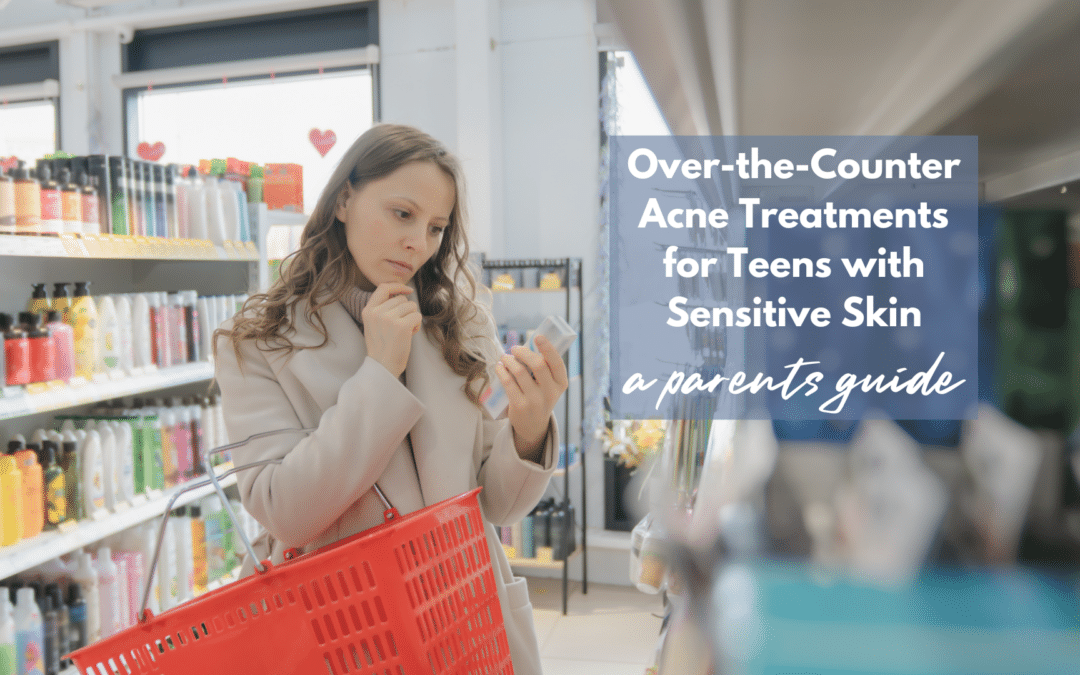
Watching your teenager struggle with acne, and then watching the products you’ve carefully chosen make things worse, is genuinely discouraging. You’re doing your best, the shelves are overwhelming, and the results aren’t matching the promises on the packaging.
Here’s what’s often missing from mainstream acne advice: most over-the-counter products are formulated to be aggressive, not gentle. For teens with sensitive or already-compromised skin, that aggression tends to backfire.
Why “Drying Out” Acne Usually Makes Things Worse
The conventional wisdom around acne is strip it, dry it, kill it; makes intuitive sense, but it creates a damaging cycle for sensitive skin. When the skin barrier is disrupted the skin responds by producing more oil, which leads to more congestion, more inflammation and ultimately more breakouts.
The more effective approach isn’t to attack the skin. It’s to support it.
That means focusing on three things: calming inflammation, strengthening the skin barrier and gently reducing pore buildup. When the skin feels safe and supported, it can actually begin to heal.
What to Look for When Choosing OTC Products
Gentle, non-stripping formulas. If your teen’s skin feels tight, stings or burns after using a product, that’s a sign the barrier is being damaged … not treated. Discomfort is not a sign that a product is working.
Ingredients that work with the skin, not against it. A few worth knowing:
- Mandelic acid — a larger-molecule acid that penetrates slowly, making it one of the gentler exfoliation options available. It helps unclog pores and has mild antibacterial properties.
- Niacinamide — helps reduce redness, balance oil production, and calm overall inflammation.
- Hyaluronic acid and glycerin — draws moisture into the skin and support hydration without heaviness.
- Ceramides — helps rebuild and maintain the skin barrier over time.
Consistency over strength. It’s tempting to reach for the highest-percentage product available, but with sensitive skin, steady and gentle wins. A mild routine used consistently will outperform an aggressive one that the skin can’t tolerate.
A Step-by-Step Breakdown
Cleanser. This is the foundation, and it’s worth getting right. Look for cream or gel-based, sulfate-free formulas with calming ingredients like aloe, glycerin, or chamomile. Avoid foaming cleansers, scrubs, and anything with strong acids. A good cleanser should leave the skin feeling clean — not tight.
Toner. Often misunderstood, a gentle toner can restore pH balance, add a layer of hydration, and calm irritation after cleansing. Look for alcohol-free formulas with aloe, cucumber extract or panthenol. Skip anything astringent.
Hydration. This step is frequently skipped, and it’s one of the most common reasons acne persists. Dehydrated skin overproduces oil as a compensatory response — which clogs pores and worsens breakouts. Hyaluronic acid, sodium PCA, and glycerin are all effective, lightweight options.
Exfoliation. This is where most OTC products go wrong. High percentage benzoyl peroxide and high-percentage salicylic acid, while widely used, are often too harsh for sensitive skin — they increase inflammation and erode the barrier rather than treating the underlying issue. Mandelic acid is a gentler, well-tolerated alternative that exfoliates, unclogs pores, and offers mild antibacterial benefits.
Moisturizer. Skipping moisturizer in an attempt to avoid greasiness tends to backfire. A lightweight, non-comedogenic moisturizer with ceramides and hyaluronic acid protects the skin barrier and supports healing. This step is not optional.
Sunscreen. Easily overlooked, but genuinely important. Acne treatments, even gentle ones, can increase sun sensitivity, and UV exposure slows healing and prolongs the appearance of post-acne marks. For sensitive skin, mineral sunscreens with zinc oxide are ideal. Zinc also has natural anti-inflammatory properties that can benefit acne-prone skin.
What to Avoid
For teens with sensitive skin, these common ingredients and product types tend to cause more harm than good:
- Benzoyl peroxide (particularly in higher concentrations)
- Salicylic acid above 1–2%
- Alcohol-based toners or treatments
- Physical scrubs and exfoliating beads
- “Acne kits” built around drying and stripping
A product labeled “for acne” is not automatically appropriate for your teen’s skin type.
The Bigger Picture
There is no single miracle product. What actually works is a coordinated routine — the right steps, in the right order, using ingredients that complement rather than undermine each other. When that foundation is in place, the skin has what it needs to calm down and heal.
If your teen’s skin has been reacting to everything, it doesn’t mean their skin is impossible to manage. It likely means the products they’ve been using have been asking too much of a skin barrier that needed support, not stress.
Getting this right takes some patience — but it’s absolutely achievable.
Ready to Stop Guessing and Start Seeing Results?
Understanding the principles behind sensitive, acne-prone skin is a meaningful first step. But knowing which specific products to put in your cart, and exactly how to use them together, is where most parents get stuck.
That’s why I put together a practical, parent-focused resource:
The Perfect 6-Step Skincare Routine for Acne-Prone Skin: What Parents Need to Know
Inside, you’ll find everything you need to move forward with confidence:
- Specific over-the-counter product recommendations — no more reading labels and hoping for the best
- A clear, simple daily routine your teen can realistically follow
- Targeted guidance on calming the skin, supporting the skin barrier, and reducing pore buildup without irritation
No more standing in the skincare aisle feeling overwhelmed. No more spending money on products that make things worse. No more wondering whether you’re on the right track.
Just a straightforward, evidence-informed plan - written for parents, designed for teens.
Download your copy today and give your teen’s skin the calm, consistent care it’s been needing. You can find it HERE
Have a fabulous day!
Jean Kelly
Acne Esthetician
Lisensed Esthetician & Acne Specialist
by Jean Kelly, Acne Specialist | Feb 9, 2026 | Blog
If you’re dealing with acne that seems to flare up during stressful times, or watching your teen struggle with breakouts that worsen under pressure, you’re not alone and it’s not your fault. Stress acne is a very real, physiological response that goes far beyond hygiene or willpower.
When your body experiences emotional strain, it releases hormones like cortisol that stimulate oil production, trigger inflammation and disrupt your skin’s natural balance. The result? Breakouts that often appear around the jawline, cheeks and forehead. What makes this particularly frustrating is that even when you’re doing everything “right” like cleansing properly, eating well and using good products, a stressful period can still trigger breakouts.
But here’s the encouraging news: understanding the stress-skin connection empowers you to address it effectively through a combination of thoughtful skincare and stress management techniques.
Why Stress and Acne Go Hand in Hand
When stress levels rise, your body enters a protective “fight or flight” state. During this response:
- Oil glands produce excess sebum
- Inflammation throughout the body increases
- Your skin’s natural bacterial balance becomes disrupted
This creates the perfect environment for acne, even in adults who never experienced breakouts during their teenage years or thought they’d outgrown them. For parents, understanding this can help you support your teen with compassion rather than frustration, their breakouts aren’t always about being careless with skincare.
The key insight? Addressing stress acne and cortisol acne requires more than topical treatments alone. You need to help calm your nervous system and reduce how your body physically responds to pressure.
Building a Supportive Skincare Routine for Stress Acne
Gentle cleansing: Wash your face twice daily with a mild cleanser to remove excess oil and buildup. Resist the urge to scrub aggressively as this can actually worsen inflammation and make stress acne more persistent.
Helpful active ingredients for acne-prone skin: Look for products containing salicylic acid (which penetrates and clears pores), benzoyl peroxide (which reduces acne-causing bacteria), or niacinamide (which calms inflammation and strengthens your skin’s protective barrier).
Don’t skip moisturizer: Even oily, acne-prone skin needs hydration. Choose lightweight, non-comedogenic formulas that keep your skin balanced without clogging pores. When skin gets too dry, it can actually produce more oil to compensate.
Daily sun protection: SPF protects healing skin and prevents the dark spots and hyperpigmentation that often linger after breakouts fade.
Stop Stress at Its Source: Natural Stress Relief for Clear Skin
While lifestyle changes may sound like generic advice, they genuinely help because stress acne is fundamentally a mind-body issue, not just a skin condition.
Prioritize sleep for hormonal balance: Poor sleep elevates stress hormones and slows your skin’s natural repair processes. For teens especially, adequate sleep is crucial but often challenging. Create a night time routine together that will promote better sleep habits for clearer skin.
Movement matters for stress reduction: Physical activity reduces tension, improves circulation, and supports overall skin health. This doesn’t mean intense workouts, even walking the dog, bouncing on a small trampoline or gentle stretching helps move the lymph system and lower cortisol levels naturally.
Practice calming techniques and stress management: Just 5 -10 minutes of deep breathing, meditation or mindfulness can meaningfully calm your nervous system and reduce the physiological stress response that triggers breakouts.
Exploring Sound Frequency Therapy and Stress Relief Tools
Because chronic stress affects your nervous system continuously throughout the day, some people find value in alternative wellness tools designed to help regulate stress responses, which can, in turn, benefit stress-related skin issues.
One option that I use and some of my clients have tried is the WAVwatch 2.2, a wearable sound frequency device that uses sound frequency therapy aimed at supporting natural stress relief and overall balance. Unlike fitness trackers that monitor metrics, this innovative wellness technology emits acoustical sound frequencies intended to calm the nervous system and promote relaxation without medication. It offers over 1,000 frequencies, some targeting acne, stress reduction, better sleep, inflammation and mental clarity .. all factors that can indirectly influence stress-related breakouts by supporting a calmer internal state.
Some users report that daily wear helps them feel more relaxed, improve sleep quality, and experience less physiological stress. Individual experiences vary, but many integrate this holistic acne treatment approach into broader self-care routines alongside skincare and other relaxation practices for a more comprehensive wellness strategy that the whole family can use.
A Natural Approach to Stress Acne Treatment
Remember, stopping stress acne and achieving clear skin is a process, not a quick fix. Be patient with yourself or your teen. Progress may be gradual, but with a thoughtful, holistic approach combining effective skincare, stress management techniques, and supportive wellness tools, clearer skin and greater peace of mind are absolutely possible.
If you’d like to try the WAVwatch as part of your natural stress relief and acne management toolkit, use code Jean100 for 15% off. Check it out HERE
Have a fabulous day!
Jean Kelly
Licensed Esthetician
Acne Specialist

by Jean Kelly, Acne Specialist | Feb 2, 2026 | Blog
Stress often takes the blame for acne breakouts, and while it certainly plays a role, it’s rarely the only culprit. Many teens and adults experience persistent or recurring breakouts even during relatively calm periods, which can feel both confusing and disheartening. The reality is that acne typically results from multiple interconnected factors working together beneath the surface, not stress alone.
Understanding these underlying causes is the first step toward achieving lasting skin clarity and feeling more confident in your skin.
1. Internal Inflammation: The Hidden Trigger
Chronic inflammation is one of the most significant drivers of acne vulgaris. When your body experiences inflammation, whether from dietary triggers, gut microbiome imbalances, environmental toxins or ongoing stress, your skin often becomes reactive and inflamed. Redness, swelling, painful cystic acne and slow wound healing are all telltale signs that inflammation is occurring beneath the skin’s surface.
Think of acne as your skin’s way of communicating that something internally needs attention and care.
2. Gut Health and the Gut-Skin Axis
The connection between gut health and skin health is profound and well-documented. When your digestive system is compromised or irritated, your body may struggle to eliminate toxins and waste efficiently. As a result, these toxins can recirculate through your system and your skin may become an alternate pathway for elimination.
Common gut-related acne triggers include:
- Poor nutrient absorption affecting skin cell turnover
- Food sensitivities or intolerances creating inflammatory responses
- Irregular digestion and constipation
- Imbalanced gut bacteria (dysbiosis)
This is why many people notice breakouts alongside digestive symptoms like bloating, food cravings or stomach discomfort. Addressing gut health can be a game-changer for acne-prone skin.
3. Hormonal Fluctuations and Imbalances
Your hormones don’t need to be severely “out of control” to impact your skin. Even normal hormonal fluctuations during puberty, menstrual cycles, growth spurts, pregnancy or changes in sleep patterns can influence sebum production and inflammation levels.
When hormonal changes combine with gut stress or systemic inflammation, acne becomes more likely … and often more stubborn and resistant to topical treatments. Hormonal acne often appears along the jawline, chin and lower cheeks.
4. Compromised Skin Barrier Function
Using overly harsh skincare products, over-exfoliating or frequently switching acne treatments can damage your skin’s protective barrier. When this barrier becomes compromised, your skin loses moisture more easily and becomes increasingly vulnerable to irritation, bacteria and breakouts.
Signs your skin barrier may be damaged include:
- Stinging or burning sensations when applying products
- Persistent tightness after cleansing
- Increased redness accompanying breakouts
- Acne that worsens with stronger or more aggressive treatments
Healthy, clear skin heals most effectively when it feels protected, balanced and adequately hydrated.
5. Stress (Yes, It Absolutely Still Matters)
Stress definitely contributes to acne development, but its impact extends far beyond emotional wellbeing. Chronic stress activates your sympathetic nervous system, elevates cortisol levels, slows digestive function and disrupts your body’s natural healing processes. When stress becomes chronic, your body remains stuck in “fight or flight” mode, making it significantly harder for your skin to repair and regenerate properly.
Stress-related acne often manifests as:
- Sudden, unexpected flare-ups
- Breakouts that intensify during demanding periods like exams, school dances, travel, major life changes or emotional challenges
- Acne that doesn’t respond well to topical spot treatments alone
While stress isn’t the sole cause of acne, it amplifies and exacerbates all the other contributing factors.
Acne Is a Signal, Not a Personal Failure
It’s important to remember: acne doesn’t mean you’re doing something wrong or that you’ve failed in some way. Rather, it’s your body’s way of communicating that it needs additional support, both internally and externally. When we shift from trying to control or suppress acne to genuinely understanding its root causes, true healing becomes not just possible, but probable.
If you’re looking for a comprehensive, step-by-step explanation of what drives acne and how to support clear skin from the inside out, I recommend exploring evidence-based resources that break everything down in an accessible, actionable way. Understanding why acne happens, not just how to temporarily cover it up, empowers you to make informed decisions about your skin health. Find the resources HERE
Jean Kelly
Acne Esthetician
P.S. I’ve been using some powder bioactive peptides in my water that help hydrate inside out from a cellular level. If you want to try those, here’s the LINK, if not .. no biggie.
by Jean Kelly, Acne Specialist | Jan 28, 2026 | Blog
Bioactive peptides are creating quite a buzz in the wellness and skincare communities.. and there’s solid science behind why. These small but mighty compounds play a crucial role in how your body repairs itself, maintains hydration and communicates at the deepest cellular level. But if you’re wondering what bioactive peptides actually are and why they matter for your health, especially your skin, you’re in the right place.
Understanding Bioactive Peptides: The Basics
Bioactive peptides are short chains of amino acids that come from larger protein molecules. Here’s what makes them special: unlike complete proteins, peptides are already broken down into smaller, more accessible forms that your body can readily recognize and utilize.
This pre-digested state makes them highly bioavailable, which simply means your digestive system doesn’t have to work overtime to break them down and absorb them. They’re ready to go to work almost immediately.
What elevates these peptides to “bioactive” status is their unique ability to send specific signals throughout your body. Think of them as tiny messengers delivering instructions to your cells… telling them when to repair damage, boost hydration, calm inflammation or kickstart regeneration.
The Whole-Body Benefits of Bioactive Peptides
Because bioactive peptides function at the cellular level, their benefits reach far beyond any single system. Research and clinical observations have identified several key advantages:
Cellular hydration support – They help regulate water balance within your cells, which affects everything from energy to skin appearance
Enhanced recovery and repair – Particularly valuable after physical stress, injury or periods of inflammation
Gut and immune system support – By promoting healthy cellular communication and function throughout the digestive and immune systems
Inflammation reduction – A critical factor for long-term wellness and disease prevention
Improved energy and resilience – When your cells operate more efficiently, you feel the difference in daily vitality
When your body receives proper support at the cellular foundation, it becomes far more capable of healing itself, adapting to stress, and maintaining the delicate balance that defines true health.
How Bioactive Peptides Transform Skin Health
Here’s something important to understand: your skin is often the first place internal imbalance becomes visible. When you’re dealing with chronic inflammation, dehydration or stress beneath the surface, it frequently manifests as acne, persistent redness, slow wound healing or a weakened skin barrier.
This is where bioactive peptides can make a meaningful difference. They support skin health by:
Hydrating from within – True hydration happens at the cellular level, not just from creams applied to the surface
Rebuilding barrier function – Supporting your skin’s natural protective layer and improving its resilience
Accelerating cellular renewal – Helping your skin naturally turnover and repair itself more effectively
Calming systemic inflammation – Addressing the internal inflammatory responses that often trigger breakouts
Working with your body’s wisdom – Supporting natural healing processes rather than forcing artificial results
This approach is especially valuable if you’re dealing with acne-prone or sensitive skin, where aggressive treatments and drying products often backfire, making the problem worse instead of better.
Why Internal Support Is the Missing Piece
Let’s be honest: topical skincare products have their place and can absolutely be helpful. But they can only accomplish so much when the body underneath is dealing with inflammation, dehydration, or systemic stress.
Genuine, lasting skin health emerges when your internal systems work in harmony. Your gut, lymphatic system, immune function and nervous system all need support.
Bioactive peptides help create the optimal internal environment your skin needs to truly heal. Rather than just masking symptoms or suppressing breakouts temporarily, they empower your body’s innate ability to restore balance and function properly.
A Gentle, Science-Backed Approach to Supporting Skin From Within
The bioactive peptides I personally incorporate into my routine are specifically formulated to support hydration, cellular recovery and overall wellness from the inside out. They’re simple to add to your daily habits and work beautifully alongside topical skincare, nutritious eating and positive lifestyle practices.
If you’re searching for an uncomplicated way to nourish your skin at its foundation, I’ve linked the hydrating bioactive peptide drink mix I use HERE. It’s become one of my favorite internal tools for promoting calm, resilient, healthy skin … without resorting to harsh treatments or extreme protocols.
Have a fabulous day!
Jean Kelly,
Acne Esthetician
by Jean Kelly, Acne Specialist | Jan 26, 2026 | Blog
If you’ve found yourself asking this question, you’re not alone. I want you to know that what you’re feeling is completely valid.
When you’ve tried everything from stronger cleansers to prescription treatments and your teen’s skin still isn’t clearing up, it’s natural to feel frustrated and even a little lost. But before we go any further, I need you to hear something important:
You haven’t failed and you’re not missing something obvious.
You’ve been doing exactly what most caring parents do… following professional advice and trying to help your child feel better in their skin. The challenge isn’t your effort or dedication. It’s that acne is often more complex than it first appears.
Looking Beyond the Surface
Here’s what usually happens: we’re told that teen acne is about oil production, bacteria and clogged pores. So naturally, the solution seems straightforward, use products that dry out the skin, clear those pores and eliminate bacteria.
It makes sense on paper. But for many teenagers, that’s not actually where the problem lives.
Often, teen acne is rooted in inflammation and internal stress rather than “dirty” or oily skin. When your teen’s body is dealing with inflammation, whether it’s triggered by emotional stress, demanding schedules, hormonal changes or even gut health; their skin becomes hypersensitive and reactive. Instead of healing, it stays trapped in a cycle of irritation.
And that’s exactly when stronger products can work against you.
The Skin Barrier: Your Teen’s First Line of Defense
Pay attention to this: if your teen’s skin stings, burns or turns red when they use their acne products, that’s not a sign the treatment is working. It’s actually a red flag.
The skin barrier is like a protective shield. When it’s healthy, it locks in moisture, keeps irritants out, and allows the skin to heal properly. But when it’s been compromised, often by overly harsh treatments, even gentle, well-meaning products can trigger more breakouts.
The skin gets stuck. Healing slows down. Inflammation increases. And piling on stronger products at this point doesn’t solve the problem, it actually makes things worse. The skin needs to be hydrated so it can clear. When it gets dehydrated, more breakouts happen.
The Hidden Role of Stress and the Nervous System
There’s another piece of the puzzle that often gets overlooked: what’s happening inside your teen’s body, particularly with their nervous system.
Today’s teens are navigating incredible pressure: academic demands, social dynamics, extracurriculars, screen time and often not nearly enough sleep. Even if your teen seems to be handling it well on the outside, their body might be stuck in a state of chronic stress.
When the nervous system stays in “fight-or-flight” mode, inflammation naturally increases throughout the body. Blood flow gets redirected away from healing processes. And the skin? It becomes one of the places where that internal stress becomes visible.
This is why you might notice your teen’s acne flaring during exam season, social challenges or times of change, even when their skincare routine hasn’t changed at all.
This Isn’t a Reflection on You
I know how easy it is to spiral into guilt when nothing seems to work. To wonder if you bought the wrong product, chose the wrong dermatologist or somehow missed the solution everyone else seems to have found.
But please understand: when acne doesn’t respond to stronger treatments, it’s not a failure, it’s information.
Your teen’s body is communicating something. It’s asking for support and balance, not harsher punishment. Recognizing this shift in perspective can transform not only how you approach their skin, but also how your teen feels about themselves during this challenging time.
A Compassionate Place to Begin
If you’re feeling overwhelmed or uncertain about what to do next, I want to offer you something practical: start with understanding.
I created A Mom’s Guide to Teen Acne Solutions specifically for parents like you. Parents who care deeply and want to help, but feel caught in a cycle of trial and error. This guide walks you through why acne behaves the way it does, without fearmongering, harsh approaches or endless guessing games.
It’s meant to bring you clarity and, honestly, some peace of mind before you make any more changes.
👉 You can find the book on Amazon whenever you feel ready. Click HERE for link
You don’t need to do more right now. You just need to understand what your teen’s skin is really trying to tell you, and you’re already taking that step by being here.
Have a fabulous day!
Jean Kelly
Acne Esthetician