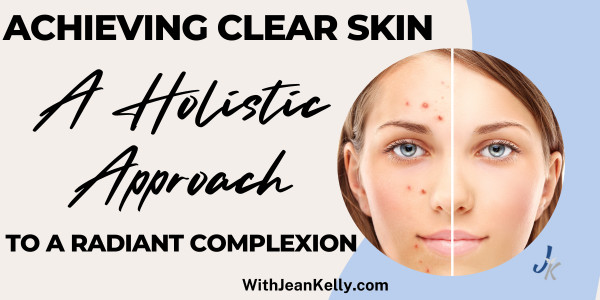
Achieving Clear Skin: A Holistic Approach to a Radiant Complexion

Achieving Clear Skin: A Holistic Approach to a Radiant Complexion

Achieving Clear Skin: A Holistic Approach to Radiant Complexion

Are you wondering how to get clear skin? Clear, radiant skin is not just a result of genetics; it’s a reflection of your lifestyle and skincare routine. While the journey to clear skin may seem daunting, it’s entirely achievable with dedication and the right approach. Here, we’ll delve into a holistic guide to help you attain that coveted clear complexion naturally. You can also grab the FREE guide “Snack Ideas for Clearer Skin” HERE.

Prioritize A Consistent Skincare Routine : Start your skincare routine with a gentle cleanser suited to your skin type. Cleansing removes dirt, oil and impurities that can clog pores and lead to breakouts. Opt for products that are gentle and contain ingredients that have anti-inflammatory, antibacterial and antioxidant properties. Stay away from products with high percentages of strong ingredients.

Hydration is Key: Hydrated skin is happy skin. Drink plenty of water throughout the day to keep your skin hydrated from within. Additionally, incorporate a lightweight, non-comedogenic moisturizer with hydrating ingredients into your routine to lock in moisture without clogging pores.

Nourish from the Inside Out: A healthy diet plays a crucial role in achieving clear skin. Load up on antioxidant-rich fruits and vegetables, omega-3 fatty acids found in fish, and foods high in Zinc and vitamin C and E. These nutrients help fight inflammation and promote skin healing.

Say Yes to Sun Protection: Shield your skin from harmful UV rays by wearing sunscreen daily, even on cloudy days. Sunscreen not only prevents sun damage and premature aging but also helps prevent hyperpigmentation and acne scars from getting darker.

Exfoliate Regularly: Incorporate exfoliation into your skincare routine to slough off dead skin cells and reveal fresh, glowing skin underneath. Choose a gentle exfoliant suitable for your skin type. The acne serum I use most with my clients is Mandelic Acid. It has a larger molecule so it penetrates the skin more evenly with less irritation.

Embrace Holistic Treatments: Explore holistic alternatives to conventional acne treatments. Ingredients like aloe, licorice and green tea possess natural antibacterial and anti-inflammatory properties, making them effective in combating acne without harsh side effects. It may be helpful to find a Licensed Esthetician who is an Acne Specialist.

Manage Stress: Stress can wreak havoc on your skin by triggering breakouts and exacerbating existing conditions like acne and eczema. Incorporate stress-relief techniques such as meditation, yoga, or deep breathing exercises into your daily routine to promote overall well-being and clear skin.

Get Adequate Sleep: Quality sleep is essential for skin repair and rejuvenation. Aim for 7-9 hours of uninterrupted sleep each night to allow your skin ample time to regenerate and heal.

In conclusion, achieving clear skin is a holistic journey that encompasses skincare, nutrition, lifestyle and mindset. By adopting these holistic practices and embracing natural alternatives, you can nurture your skin from the inside out, revealing a radiant complexion that exudes health and vitality.

If you’re a parent of a teen with acne, looking for a supportive community, join my FREE Facebook Group “Parents of Teens With Acne” HERE

Have a fabulous day,
Jean Kelly
Licensed Esthetician
Acne Specialist

PS: If you want to learn some “Secrets” to clearing your skin, check out this online course while it’s at a super low price! For a limited time “Clear Skin Secrets” is available at this affordable price, less than a bottle of skincare. Check it out HERE.

Understanding and Managing Back Acne in Females

Understanding and Managing Back Acne in Females

Back acne is a common skin condition that can affect teens, especially females. While acne on the face is often more prominent in discussions, back acne can be equally, if not more, troubling for those who experience it. This blog post is a comprehensive guide for parents of teenage girls navigating the often complicated landscape of back acne. From its causes to preventive measures, treatment options, and supporting your teen, this post aims to educate and equip parents with the knowledge they need to help their daughters manage this challenging skin condition.

Understanding Back Acne
Before we address the issue, it’s crucial to understand the enemy at hand. Back acne has various causes, including hormonal changes, genetics, and lifestyle factors. Hormonal fluctuations, typical during the teenage years, are often the primary culprit behind acne development. Hormones stimulate the skin’s oil glands to produce more sebum, a natural oil that keeps the skin moist. Overproduction of sebum can lead to clogged pores and the growth of acne-causing bacteria. Girls experiencing their menstrual cycle may also notice flare-ups due to these hormonal changes.

Causes of Back Acne
Hormonal Changes: These changes can lead to increased sebum production, making teens more prone to breakouts.
Genetics: A family history of acne increases the likelihood of developing back acne.
Lifestyle Factors: Poor dietary habits, stress, pore clogging laundry products and not cleansing the skin regularly can all contribute to back acne.

Understanding the root causes of back acne is the first step to effectively addressing the issue and tailoring a treatment plan based on the individual’s condition. You can find a free Pore Clogging Ingredient list HERE

Impact on Teenage Females
Back acne can have significant effects on a teenager’s well-being. The psychological and emotional impact can be profound, leading to lower self-esteem, self-consciousness, and anxiety. Social implications, particularly in situations where swimsuits or revealing clothing are worn, can further exacerbate the pressure to find a solution.

Psychological Effects
The visible nature of back acne can lead to feelings of embarrassment and inadequacy, affecting a teenager’s mental health.

Social Implications
Pressure to conform to societal standards of beauty can make social interactions challenging for teens with back acne.

Physical Discomfort
In severe cases, back acne can cause physical discomfort, including pain, itching, and a burning sensation.

It’s clear that back acne is more than just a physical condition, it affects the overall well-being of teenagers.

Preventive Measures
Preventing back acne is a combination of adopting good hygiene practices, managing hormonal imbalances and implementing lifestyle changes. Young girls should be encouraged to follow a proper skincare routine, to eat a balanced diet and to maintain hydration. Hygiene isn’t just about skincare; it also includes the choice of fabrics and laundry detergents, as well as the frequency of clothing changes.

Skincare Routine Tips
Encourage your teen to take a shower after activities that cause sweating, to keep hair clean and off the back and to use non-comedogenic products.
Body washes with benzoyl peroxide may help with the breakouts. Start with a low percentage to keep the skin from drying out too much. Hydration is crucial as well, ensuring that the skin stays well moisturized will helps prevent excess sebum production.

Diet Recommendations
While there’s no specific diet that prevents or treats back acne, a balanced and healthy diet of anti-inflammatory foods can support overall skin and gut health. Reducing dairy and sugar has been shown to lessen breakouts.

Importance of Clothing Choices
Loose-fitting, breathable cotton clothing and regular laundering with non pore clogging detergents are important for preventing irritation and keeping the back clean. If you are using dryer sheets or fabric softener, try switching to wool dryer balls instead. Dryer sheets have pore clogging ingredients that leave a film on the clothing and bed sheets. You can get the FREE pore clogging ingredient list HERE

Treatment Options
When it comes to treating back acne, there are several approaches that can be taken, ranging from over-the-counter remedies to more intensive professional treatments. It’s essential to start with the least aggressive methods and proceed to more advanced treatments if necessary and under the guidance of an acne specialist.

Over-the-Counter Products
These include washes, creams, and lotions containing ingredients like benzoyl peroxide, salicylic acid, or sulfur. These treatments can help unclog pores and reduce inflammation.

Professional Treatments
In serious cases, professional treatments like light therapy, chemical peels or extractions may be recommended to manage the back acne effectively.

The key to treatment is patience and consistency. It can take several weeks or even months to see significant improvement, and teens must be supported through the process.

Supporting Your Teen
Communication and support are crucial when helping a teenager manage back acne. Opening up the conversation and providing an empathetic space to express concerns can make a substantial difference in how teens cope with this condition.

Communication and Emotional Support
Encourage open dialogue about the acne and its effects. Expressing understanding and providing emotional support can alleviate some of the stress associated with back acne.

Encouraging Healthy Habits
Promote physical activity, balanced nutrition, and a regular sleep schedule to help manage stress and hormone levels. Meal planning with the family can help to avoid picking up fast food at the last minute. Having healthy snacks ready to eat and easily found in the pantry or fridge will help your teen make healthy decisions when they are hungry.

Seeking Professional Help When Needed
Don’t hesitate to seek help from an acne specialist if over-the-counter treatments don’t work. A professional can provide a tailored approach to managing back acne and using the right products.

Back acne can be a challenging condition for teenage girls. By understanding the causes and actively taking steps to prevent and treat it, parents can help their teens manage back acne effectively. It’s about more than just clear skin; it’s also about fostering self-esteem and wellbeing during a crucial stage of development.

If you’d like to join a supportive Free Facebook group called “Parents of Teens With Acne” you can join that HERE

Have a fabulous day!

Jean Kelly
Acne Specialist

Holistic Alternatives to Benzoyl Peroxide for Clearing Acne

Holistic Alternatives to Benzoyl Peroxide for Clearing Acne

Holistic Alternatives to Benzoyl Peroxide
Acne is a skincare problem that many people face but for teenagers in particular, it can be a source of social distress. If you’re someone who prefers a more natural approach to treating your skin and you’re hesitant to use benzoyl peroxide, the tried-and-true, but sometimes harsh, antiseptic in many acne products, there are gentler, holistic alternatives. This comprehensive guide is tailored towards acne sufferers and parents who are looking for effective and natural means to combat breakouts without relying on medication that might have side effects or cause sensitivity. We will explore potent components such as montmorillonite clay and sulfur—known for their skin-clearing properties—and how they can be incorporated into your daily skincare routine.

Why Seek Alternatives to Benzoyl Peroxide?
The Downside of Benzoyl Peroxide
While it is effective at reducing acne-causing bacteria benzoyl peroxide can also strip the skin of its natural oils, causing dryness, irritation, and potential long-term harm. For those with sensitive skin, the side effects can be particularly problematic, leading to redness, peeling, and a stinging sensation. It’s important to not overuse it and to start with very low percentages of benzoyl peroxide if wanting it in your products.

The Promise of Natural Alternatives
In contrast, natural alternatives offer a gentler, more balanced approach to treating acne. They often work with the skin’s natural functions to promote healing, which can result in fewer side effects compared to medicated treatments.

Montmorillonite Clay: Nature’s Detoxifier
Why Montmorillonite Clay?
Derived from volcanic ash, Montmorillonite clay is a powerful natural detoxifier. Its high mineral content gives it the unique ability to draw out impurities from the skin, including excess oil and toxins that can contribute to acne. My go to Blemish Clay can be found in this skincare bundle

How Montmorillonite Clay Works
When hydrated, this clay swells and works like a sponge, absorbing and removing bacteria, dead skin cells and pollutants from the skin’s surface and deep in the pores. Its antibacterial properties help fight acne at its source, making it a valuable addition to any skincare regimen.

Incorporating Montmorillonite Clay Into Your Routine
You can utilize montmorillonite clay as a mask or a spot treatment. Apply it to your skin, leave it on for 15-20 minutes, and rinse. When applied consistently, this clay can improve the complexion and clarity of your skin.

Sulfur: The Little-Known Acne Buster
The Acne-Fighting Power of Sulfur
Sulfur is a naturally occurring mineral that has been used for centuries to treat a variety of skin conditions. In the context of acne, sulfur works as a powerful antimicrobial agent, killing bacteria and unclogging pores, all without the harsh side effects of benzoyl peroxide.

Sulfur’s Multiple Benefits
Not only does sulfur combat the bacteria that cause acne, but it also exfoliates the skin, promoting cellular turnover and preventing clogged pores. It can even reduce the redness and inflammation associated with acne, making it an all-around solution for clearer skin.

Implementing Sulfur in Your Skincare Routine
When selecting sulfur products, look for concentrations between 3-10% for the most effective results. Incorporate sulfur into your routine with a spot treatment, applying it to affected areas once or twice a day. Don’t forget to moisturize, as sulfur can be drying.

Transitioning to a Benzoyl Peroxide free Skincare Routine
Gradual Changes for Clearer, Healthier Skin
Switching your skincare routine doesn’t have to be abrupt. By gradually phasing out benzoyl peroxide products and introducing natural alternatives, you can give your skin time to adjust while minimizing outbreaks.

Balancing Your Routine
Pair your natural treatments with a balanced diet and plenty of water to promote overall skin health. Be mindful of other skincare products that could contain irritants and opt for gentle cleansers and moisturizers to complement your natural acne treatments.

The Importance of Skincare Consistency
Consistency is key when it comes to seeing results with any skincare routine. Commit to a daily regimen that includes cleansing, treating and moisturizing and be patient. It may take a few weeks to notice a significant improvement but the long-term benefits make the switch to holistic skincare worthwhile.

Final Thoughts
For individuals wary of harsh acne medications or those who prefer natural solutions, montmorillonite clay and sulfur offer effective, gentle alternatives to benzoyl peroxide. By understanding the benefits and applications of these natural ingredients, you can make the switch to a holistic skincare routine that supports your skin’s health and radiance.

Always consult with an acne specialist if you have concerns about acne or any changes to your skincare routine. Remember that everyone’s skin is unique and what works for one person may not work for another. However, with the right knowledge and diligence, you can clear your skin and maintain a naturally healthy complexion.

I have a Free Facebook Group you may be interested in: Parents of Teens With Acne, you can JOIN HERE

You can also grab this free guide “Holistic Approach to Clearing Acne Without Medications” HERE if you’re interested.

Have a Fabulous Day!
Jean Kelly
Acne Specialist

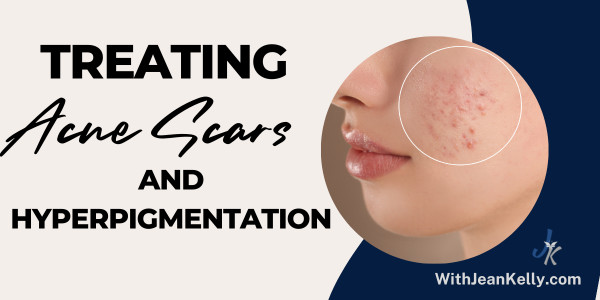
A Guide to Treating Acne Scars and Hyperpigmentation

A Guide to Treating Acne Scars and Hyperpigmentation

For anyone who has battled acne, the war often doesn’t end with the clearing of breakouts. The victory is short-lived when the battleground leaves behind unsightly scars and hyperpigmentation. This guide is your ally, offering strategic insights and tactics to fight these post-acne adversaries.

My mission is to equip you with the best knowledge and techniques proven to restore clarity, smoothness, and an even skin tone. From demystifying hyperpigmentation to exploring the latest treatments, this comprehensive resource is a beacon of hope, illuminating the path to radiant post-acne skin.

Understanding the Enemy: What is Hyperpigmentation?
It’s crucial to recognize and understand hyperpigmentation before tackling acne scars. Hyperpigmentation refers to the darkening of the skin, which occurs when an excess of melanin is produced. This uneven pigment can manifest as freckles, age spots, or post-inflammatory hyperpigmentation (PIH).

Types of Hyperpigmentation:

Post-inflammatory Hyperpigmentation (PIH): Commonly seen after acne, this form of hyperpigmentation occurs due to an overproduction of melanin during the skin’s healing process.

Melasma: Often related to hormonal changes and characterized by tan to dark brown patches, typically on the face.

Sun-induced and Age Spots: Caused by prolonged exposure to the sun, leading to localized darkening of the skin.

Understanding the type of hyperpigmentation you’re dealing with is the first step in developing an effective treatment plan.

The Scars Left Behind: Types of Acne Scars
Acne doesn’t just mar your skin with breakouts; it can also leave a lasting imprint in the form of scars. Different types of acne scars require different approaches to treatment.

Common Types of Acne Scars:
Atrophic or Depressed Scars: These are the most common type, occurring when the skin is unable to regenerate tissue effectively. Subtypes include ice pick, boxcar, and rolling scars.

Hypertrophic or Keloid Scars: These are raised, thick scars that occur when the skin produces too much collagen as it heals.

Hyperpigmentation: Not always a scar, but a darkened mark left after an acne lesion has healed.

Understanding the nature of your acne scarring will guide you in selecting the best course of action for your unique skin.

Brightening the Path: Techniques to Treat Acne Scars and Hyperpigmentation
Now, we immerse ourselves in the brightening techniques that are available to you. From at-home remedies to advanced dermatological procedures, the options are diverse and dynamic, each tailored to address your skin’s specific needs.

At-Home Remedies:
Exfoliation: Regularly exfoliating the skin can help in the removal of dead skin cells, allowing new cells to regenerate more effectively.
Topical Retinoids: Over-the-counter or prescription retinoids can improve the appearance of scars and hyperpigmentation by increasing cell turnover.
Vitamin C: As a powerful antioxidant, vitamin C may help in reducing the appearance of dark spots and improving skin texture.

Clinical Treatments:
Chemical Peels: These treatments involve the application of a chemical solution to the skin, which causes the exfoliation of the upper layers, revealing less pigmented skin beneath.
Laser Therapy: Fractional laser treatments aim to resurface the skin and stimulate collagen production, effectively reducing the appearance of scars and hyperpigmentation.
Dermabrasion and Microdermabrasion: Both procedures involve the removal of the skin’s surface, with dermabrasion being more aggressive and invasive than its micro counterpart.
Microneedling: Also known as collagen induction therapy, this treatment uses fine needles to create controlled skin injury, which prompts the skin to heal and repair itself.

The key to success is consistency. Whether you opt for at-home remedies or clinical treatments, a regular and committed regimen will yield the best results.

A Balancing Act: Managing Expectations and Risks
Understanding the balance between expectations and reality is paramount. Treating acne scars and hyperpigmentation is not a one-and-done process but rather a series of steps that require patience and perseverance. Furthermore, any treatment, whether at home or clinical, carries its own set of risks and potential side effects. Before beginning any regimen, consult with a professional to understand what is realistic and safe for your skin.

Managing Expectations:

  • Realize that lightening or removing scars may take time and multiple treatments.
  • Understand that not all treatments will be 100% effective for your specific type of scarring.
  • Appreciate that some level of improvement rather than complete erasure may be the final outcome.

Understanding Risks:

  • Always follow post-treatment care advice to minimize the risk of unwanted side effects.
  • Stay alert to any changes in your skin’s condition and consult your skincare professional if you notice anything concerning.
  • Communicate openly with your provider about your skin sensitivities and history.

The Future Looks Bright: Emerging Technologies and Promising Research
The skincare landscape is ever-evolving, with exciting breakthroughs constantly emerging. Researchers are continually investigating novel treatments with the potential to revolutionize the way we approach acne scarring and hyperpigmentation.
Platelet-Rich Plasma (PRP) Therapy:
PRP therapy involves injecting the patient’s own blood platelets into their skin to stimulate cell growth and collagen production. While still emerging, early studies show promise for treating acne scars effectively.
Stem Cell Therapy:
Stem cells represent a beacon of hope in regenerating scarred skin. Preclinical trials have demonstrated the potential for stem cell treatments to diminish the appearance of acne scars significantly.
Nanotechnology:
Nanotechnology is opening new doors in the delivery of skin-brightening ingredients. Nano-sized particles can penetrate the skin more effectively, enhancing the efficacy of skincare products.

Anticipating these advancements can signal new horizons for those seeking to eradicate acne scarring and hyperpigmentation.

Your Path Forward: Creating a Personalized Plan for Success
With the information in hand, it’s time to create your personalized plan for success. Reflect on the types of scars and hyperpigmentation you have, the treatments you’re drawn to. Then, take the first steps.

Assess the Condition of Your Skin: Take note of the severity and type of scarring you have.
Research and Consult: Look into different treatment options and consult with a skincare professional.
Develop a Treatment Regimen: Once you’ve decided on a course of action, commit to a consistent treatment regimen.
Monitor Progress: Regularly assess the results and adjust your regimen as necessary.
Remember Overall Skincare: A holistic approach to skincare, including a healthy diet and sun protection, is vital.

Remember, victory against acne scars and hyperpigmentation is not just about the treatments you employ, but the care and attention you give your skin every day.
Armed with knowledge and an array of treatment options, you’re fully equipped to declare war on your acne scars and hyperpigmentation. The battle may be long, but the victory – a clear, radiant complexion – is worth every step of the fight.
Remember, you are not alone in this. Countless others have walked this path before and stand ready to offer support, guidance, and hope. Trust in the process, be diligent in your efforts, and never lose sight of the clear, radiant skin that awaits you.

If you’re interested in a more holistic approach to clearing skin you can get my FREE GUIDE “Holistic Approach To Clearing Acne Without Medications” HERE

Have a Fabulous Day!
Jean Kelly
Licensed Esthetician, Acne Specialist

PS. if you’re a parent of a teen with acne, I have a Free Facebook Group you might be interested in. Check it out HERE

The Ancient Art of Chinese Face Mapping: A Parent’s Guide to Understanding Acne Breakouts in Teens

The Ancient Art of Chinese Face Mapping: A Parent’s Guide to Understanding Acne Breakouts in Teens

The Ancient Art of Chinese Face Mapping: A Parent’s Guide to Understanding Acne Breakouts in Teens

As parents, it’s tough to watch our teens struggling with the emotional and physical issues surrounding acne. But could there be more to these breakouts than hormones and hygiene? Dive into an intriguing practice that fuses traditional Chinese medicine with the modern dermatological quest for clear skin.

Welcome to the realm of Chinese face mapping, a window into the depths of your teen’s health disguised as spots and pimples.
… you may be interested in a Free Facebook group for parents of teens with acne: JOIN HERE

The Ancient Art of Reading Skin: Chinese Face Mapping Unveiled

Understanding the Practice
Chinese face mapping, or ‘Mien Shiang’, dates back thousands of years. The practice involves examining the location of skin imperfections to determine the state of the body’s internal organs and overall health. According to traditional Chinese medicine (TCM), the face is a mirror of the body’s energy flow or ‘chi’ (or ‘qi’). Any abnormalities in its appearance or complexion could be a sign of disruptions in certain organs.

Face Regions and Corresponding Organs
Different areas of the face correspond to specific organs or systems within the body. For instance, the forehead is connected to the digestive system and bladder, from eyebrows to eyes correlates to the liver, cheeks/bone region relates to the lungs and respiratory system, and so on. Patterns, colors, and types of blemishes help practitioners identify which organ’s energy may be out of balance.

What Your Teen’s Acne Says About Their Health
Zones to Watch
If your teen is experiencing persistent acne, it’s worth examining where the breakouts occur. This isn’t an exact science, but it could offer valuable insights into their overall wellness.
Forehead Breakouts: The Gut Connection
Frequent acne on the forehead may be more than a call for improved skincare or dietary changes—it could signify digestive issues, or that your teen is overly stressed. Overconsumption of processed foods or high-fat, high-sugar diets can also be the culprit. Encourage your teen to stay hydrated, eat clean, and manage stress through mindfulness or relaxation exercises.

Cheek Acne: The Respiratory and Allergy Angle
Breakouts on the cheeks may be linked to the lungs or respiratory system. If your teen doesn’t have allergies but is experiencing breakouts here, it could be the accumulation of dirt and pollution in the air. For those with allergies or respiratory problems, flare-ups can lead to congestion and cheek acne. Supporting your teen in maintaining a clean environment and seeking proper measures to control allergies is crucial.

Temple Troubles: Kidney Excess
Acne by the temples and between the brows may point to dietary issues such as dehydration or excessive consumption of caffeine, energy drinks and/or alcohol, which weaken the kidneys in TCM. Encourage your teen to balance their consumption of these substances with adequate water intake and herbal teas to support the kidneys.

Balancing Teen Acne with Holistic Health
Food as Medicine
In TCM, food and medicine are often treated as two sides of the same coin. For teens fighting acne, this could mean consuming foods that align with their specific dietary and TCM needs. Emphasize fruits and vegetables to enhance the health of organs linked to acne, such as the lungs (for cheek breakouts) and the digestive system (for forehead acne).

Stress Management and Well-Being
It’s no secret that stress is a huge factor in acne. In a TCM perspective, it disrupts the flow of chi. Encourage your teen to tackle stress through exercise, meditation, hobbies, or counseling to support healthy organ function and clear skin.

Supporting the Process with Professional Advice
While there are benefits to exploring TCM as part of your teen’s acne treatment, it should complement—not replace—professional dermatological advice. Seek out licensed TCM practitioners who can provide tailored advice and treatment plans that work best for your teen’s individual health concerns.

Harnessing the Power of TCM for Long-Term Health
Making TCM Part of Your Teen’s Skincare Routine
TCM promotes a holistic way of approaching skincare. From using gentle products that balance the skin’s natural oils to practicing gua sha or acupressure massage for natural toning effects, incorporating TCM principles into skincare can provide a preventative approach to acne.

Developing Healthy Habits Early
Consistent hydration, a balanced diet, and healthy sleep can stave off not only acne but also a plethora of other health issues. Encouraging these habits from a young age sets your teen on a path to holistic health that can last a lifetime.

The Role of Open Communication and Support
Acne can be a sensitive topic for teens. Maintaining open communication and providing unwavering support throughout their journey is crucial. Whether it’s through Western medicine, TCM, or a combination of both, the goal is always to help them feel comfortable in their own skin and to support overall well-being.

Chinese face mapping is not a one-size-fits-all solution, but it provides an interesting lens through which to view our well-being. By examining the location and frequency of acne, you and your teen can begin to understand the signs their skin is sending about the body within. Embracing a holistic approach that considers both Western and traditional Chinese medical perspectives can lead to clear skin and a healthier, happier life for your teen.

If you’re looking for a group of parents helping their teens with acne you can find that here: PARENTS OF TEENS WITH ACNE

Something that may help with new healthy habits is this free guide: Easy Acne Detox

Have A Fabulous Day!
Jean Kelly
Licensed Esthetician
Acne Specialist

Why Are Pimples Painful? Understanding Acne for Parents of Teens

Why Are Pimples Painful? Understanding Acne for Parents of Teens

Acne is a rite of passage for many teenagers, yet the discomfort and pain associated with pimples can be a significant cause for concern. As a parent, watching your teen suffer through the challenges of painful pimples can be difficult. This post provides an informative snapshot for parents seeking to understand why acne is painful and offers practical advice for managing teen acne effectively.

What Causes Acne?
Teen acne is primarily caused by three critical factors:

  1. Excess oil production: During adolescence, hormonal changes can increase the production of sebum in the skin.
  2. Clogged pores: Sebum, along with dead skin cells, can block hair follicles, leading to acne.
  3. Bacteria: The presence of bacteria in the pores can exacerbate inflammation and lead to painful pimples.

Understanding these factors is the first step in helping your teen adopt a skincare routine that addresses the root causes of acne.

The Inflammatory Response
Acne becomes painful due to the body’s inflammatory response. White blood cells rush to attack the bacteria causing acne, resulting in the release of chemicals that lead to pain and redness. This is the body’s natural way to heal, but it can cause considerable discomfort.

Types of Acne Lesions
Various types of acne lesions can develop on the skin:

  • Whiteheads and blackheads are typically not painful as they are less inflamed.
  • Papules and pustules: When acne is red and swollen, it’s called a papule. A pustule is a papule filled with pus.
  • Nodules and cysts: These are more severe forms of acne that penetrate deeper into the skin and are more likely to be painful.

Identifying the type of acne your teen is experiencing can help in choosing the appropriate treatment.

Factors Contributing to Pain
The pain associated with acne comes from:

  • Inflammation and swelling: This puts pressure on the skin and can result in tenderness.
  • Pressure on nerve endings: Swollen acne lesions can press against nerve endings, which enhances pain.
  • Infection: When acne becomes infected, it may fill with pus and become more painful.

Recognizing these factors is crucial to formulating a plan to alleviate your teen’s discomfort.

Tips for Managing Painful Acne
To help your teen manage painful pimples and enhance their skincare routine, consider the following tips:

  • Proper skincare routine: Gentle cleansing and the use of non-comedogenic products and makeup can prevent clogged pores.
  • Using ice on pimples: This can reduce inflammation and numb the pain temporarily.
  • Avoiding picking or squeezing pimples: This can worsen inflammation, spread bacteria and lead to scarring.
  • Over-the-counter treatments: Look for products containing clay, sulfur, benzoyl peroxide or salicylic acid.

When to seek professional help: If acne persists or is severe, an acne specialist can offer additional treatments.
Implementing a consistent skincare routine and educating your teen about the importance of treating their skin gently are fundamental aspects of managing acne.

For parents, understanding the pain associated with painful pimples is vital. Active and compassionate support can make a significant difference in your teen’s emotional and physical well-being. Encourage your child to be patient and consistent with their skincare efforts and remind them that acne is temporary.

For additional support and insights, feel free to join my free Facebook group: Parents of Teens With Acne where you can connect with others navigating similar challenges, share experiences, and learn more valuable teen skincare tips.

You may also be interested in the FREE guide: 3 Tips for Clearer Skin that can be found HERE

Have a fabulous day!
Jean Kelly
Acne Specialist