Breaking Down Acne: Understanding Fungal, Cystic and Hormonal Acne

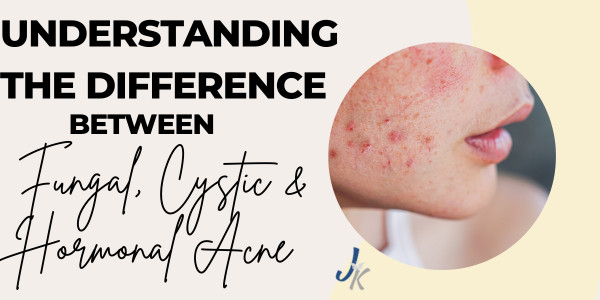
Breaking Down Acne: Understanding Fungal, Cystic and Hormonal Acne

Ah yes, acne, the common skin condition that teens and parents alike can’t seem to escape. But did you know that not all acne is the same? No, it’s not just a matter of a simple whitehead or blackhead. There are three types, in particular, that tend to cause the most confusion:

  • fungal
  • cystic
  • and hormonal acne

Don’t worry, parents, I’ve got you covered. In this blog post, I’ll dive deep into these three types of acne and break down the key differences. So sit back, relax, and prepare to learn how to tell the difference. You may be interested in a free guide “6 Common Causes of Hormonal Acne” you can find that HERE

Fungal
Let’s start with fungal acne. Contrary to what you may think, it’s not caused by poor hygiene or bacteria. It’s actually caused by (you guessed it) yeast. Fungal acne is typically found on the forehead, chest, and back and often appears as tiny, colorless bumps that can be itchy. Unlike other types of acne, it’s typically not inflamed. The main trigger for fungal acne is heat and humidity, so it’s important to stay cool and dry to prevent it. This sometimes occurs if your child is in sports or wears a helmet a lot. The good news is that it’s treatable with anti-fungal medication, so if you suspect your teen has fungal acne, start with a anti-dandruff shampoo like Nizoral.

Cystic
Next up, we have cystic acne. This type of acne is different from regular pimples because it forms deeper in the skin. It’s typically characterized by large, painful, and inflamed bumps that don’t come to a head. Cystic acne is caused by an overproduction of oil and bacteria in the skin. Hormones can also play a role in triggering cystic acne. It’s important to note that picking or popping cystic acne can spread the bacteria causing more pimples and also can lead to scarring, so it’s best to not pick at them. A Skincare routine for cystic acne typically involves a benzoyl peroxide or a Clay with sulfur that can clean out deep into the pores.

Hormonal
Lastly, we have hormonal acne. As you may have guessed, this type of acne is caused by a hormonal imbalance. It’s typically seen in teen girls and women and often appears around the chin and jawline. Hormonal acne is characterized by deep, painful, and inflamed cysts that often appear in clusters. It tends to flare up around the time of the menstrual cycle. A holistic approach to getting your cycle in balance can be by seed cycling. I have a free guide “6 Common Causes of Hormonal Acne” you can find it HERE if you’re interested.

And there you have it, parents, a crash course in fungal, cystic, and hormonal acne. Armed with this knowledge, you’ll be able to better identify the type of acne your teen may be experiencing and seek out the appropriate treatment. Remember, if you suspect your teen has acne, it’s important to seek advice from an acne specialist ensure the best course of action. In the meantime, stay cool, dry, and acne-free!

Have a fabulous day!
Jean Kelly
Acne Specialist

What Foods Make Acne Worse? A Guide for Teens and Young Adults

What Foods Make Acne Worse? A Guide for Teens and Young Adults

What Foods Make Acne Worse? A Guide for Teens and Young Adults

Acne is a common skin condition that affects many teens and young adults. Although it’s not life-threatening, acne can still be a frustrating and embarrassing condition. While there are many factors that can contribute to acne, such as hormones, genetics, and stress, your diet can also play a role in determining the severity of your acne.

In this blog post, we will explore some foods that can make acne worse and provide some tips on how to make healthier choices for clearer skin. If you’re a teen or young adult struggling with acne or a parent trying to help your child manage their skin condition, this information is for you. You may find the free Clear Skin Snack Ideas Guide helpful, you can get it HERE.

Dairy
Research has shown that consuming dairy products such as milk, cheese, and yogurt, can exacerbate acne in some people. This may be due to the presence of hormones in cow’s milk which can stimulate oil production and inflammation in the skin. If you suspect that dairy is a trigger for your acne, try cutting back on these foods or switching to dairy-free alternatives, such as almond milk or coconut yogurt.

Sugar and refined carbs
Foods that are high in sugar and refined carbohydrates, such as white bread, pastries, and soda, can lead to spikes in blood sugar levels and cause inflammation in the body. This, in turn, can aggravate acne. Try to choose whole-grain carbohydrates such as brown rice and whole-wheat bread and limit your intake of sugary treats.

Fried and greasy foods
While there isn’t a direct link between fried and greasy foods to acne, these types of foods can contribute to inflammation in the body, which is a common trigger for acne. In addition, greasy foods cooked in canola oil will increase the amount of Omega 6 oils you consume. Too much Omega 6 can clog pores and lead to breakouts. Choose foods that are grilled, baked, or roasted, and avoid foods that are deep-fried. Some clients also find it helpful to supplement with a good quality Omega 3.

Chocolate
Contrary to popular belief, chocolate itself doesn’t cause acne. However, chocolate that is high in sugar and fat, such as milk chocolate, can lead to inflammation in the body, which can aggravate acne. Dark chocolate, on the other hand, contains antioxidants that can help reduce inflammation and improve overall skin health. If you need some chocolate, reach for the dark chocolate!

Processed and packaged foods
Foods that come in a package such as chips, crackers, and snack bars, are often high in sugar, salt, and unhealthy fats. These types of foods can contribute to inflammation in the body and are best avoided if you’re trying to manage acne. Instead, reach for whole, nutrient-dense foods, such as fresh fruits and vegetables, lean protein sources, and whole grains.

While diet is just one factor that can contribute to acne, making healthy food choices can help reduce inflammation in the body, heal your gut and improve overall skin health. Of course, everyone’s body is different, and what triggers acne for one person may not have the same effect on another.

However, by limiting your intake of dairy, sugar, refined carbs, fried foods, and processed/packaged foods, you can decrease your risk of aggravating your acne. Remember, it’s not about perfection, but progress. Start small, make gradual changes, and be kind to yourself. With time, patience, and a bit of effort, you can achieve clearer, healthier skin.

If you would like a Guide with Clear Skin Snack Ideas, you can find that HERE.

Is Your Protein Shake Making Your Skin Breakout?

Is Your Protein Shake Making Your Skin Breakout?

For some of us, consuming protein shakes is an essential part of our diet. Especially when one is committed to fitness, protein shakes are the most convenient source of nutrition. However, one inconvenient truth about protein shakes that most of us tend to turn a blind eye to is that they may make acne worse. If you’re still wondering how this is possible, let us explore the science behind it.

Firstly, whey protein shakes are notorious for being a cause of acne breakouts. Whey is derived from cow’s milk and contains hormones that stimulate the production of sebum, a type of oil that clogs pores and causes pimples. The consumption of whey protein triggers insulin spikes, which as a result, increases the production of insulin-like growth factors. These growth factors then stimulate the production of testosterone, which has been shown to cause acne breakouts. Therefore, the consumption of whey protein shakes can lead to an increase in acne breakouts.

Soy protein, on the other hand, has high levels of phytoestrogens, which are plant-based hormones that mimic the effect of estrogen in the body. However, the problem with consuming these plant-based hormones in protein shakes is that it can disrupt the natural hormone balance of the body. A change in hormonal balance can lead to acne breakout. According to recent studies, the consumption of soy protein shakes can lead to skin inflammation, which can cause acne or worsen the breakouts.

Another factor that contributes to the worsening of acne breakouts is the fact that protein shakes contain added sugars and artificial sweeteners, which can increase the insulin level in the body. High insulin levels can cause inflammation and cause hormonal fluctuations in the body, which can lead to acne breakouts.

Consuming protein shakes also has a digestive impact on the body, which, in turn, can lead to acne breakouts. Protein shakes are high in calories, and when they are consumed in large quantities, it puts a strain on the digestive system, which can cause constipation and an accumulation of toxins in the body. These toxins then contribute to acne breakouts.

It is essential to understand that consuming protein shakes can cause acne breakouts in some individuals. If you are prone to acne breakouts or have acne-prone skin, it is advisable to limit the consumption of protein shakes or avoid them altogether. However, if you cannot do without protein shakes in your diet, it is recommended that you opt for plant-based protein shakes that are free from artificial sweeteners and added sugars. Additionally, it is essential to maintain a healthy diet, stay hydrated, and follow a regular skincare routine to keep your skin healthy and free of acne breakouts.

Click HERE for a Free Guide “3 Tips For Clearer Skin”

Candida & Acne Connection: Unveiling The Truth

Candida & Acne Connection: Unveiling The Truth

Acne is a common skin condition that affects millions of teens and young adults worldwide. There has been a lot of research on acne, and although its cause is not entirely clear, one thing has become apparent - the connection between candida and acne.

Candida is a type of fungus that lives in our bodies and usually does not harm us. However, when it grows excessively, it can cause various health problems, including acne. This blog post aims to provide a comprehensive overview of the candida and acne connection.

What is Candida?
Candida is a type of yeast that is naturally present in our bodies. It resides in our gut, mouth, and vagina and usually does not cause any problems. However, when it multiplies excessively, it can lead to candidiasis, a fungal infection.

There are many reasons why candida overgrowth occurs, including consuming a high-sugar diet, taking antibiotics, stress, and a weakened immune system. When the candida yeast is out of balance, it can lead to various health issues, including acne.

The Link Between Candida and Acne
Research has shown that candida overgrowth can lead to acne. Candida causes inflammation in the gut and throughout the body, leading to increased sebum production. Sebum is an oily substance that is produced by the sebaceous glands in our skin. When there is an excess of sebum in our skin, it can clog our pores, leading to the development of acne.

Candida overgrowth also causes hormonal imbalances, which can exacerbate acne symptoms.

Symptoms of Candida Overgrowth
Apart from acne, other symptoms of candida overgrowth can include:
bloating, constipation, diarrhea, abdominal pain, fatigue, brain fog, and recurrent infections, among others.

How to Treat Candida Overgrowth and Acne
Fortunately, candida overgrowth and acne can be treated. The first step is to change your diet. Avoid sugary foods, refined carbohydrates, alcohol, and processed foods, which can cause candida to multiply.

Instead, focus on consuming anti-inflammatory foods that boost your immune system, such as leafy green vegetables, berries, nuts, seeds, and lean protein. You can also take supplements such as probiotics and antifungal herbs, which help to balance the candida yeast in the gut.

Candida overgrowth and acne are two conditions that can have a significant impact on your quality of life. Fortunately, they can be treated by adopting a healthy diet and taking supplements that balance the candida yeast. Remember to consult with your healthcare provider before starting any treatment to ensure that it is appropriate for you. By following a healthy lifestyle, you can get a clear, healthy skin and lead a more fulfilling life.

If you want to dive deeper into the root causes, check out the Module “Candida 101” in our Hormone Course HERE

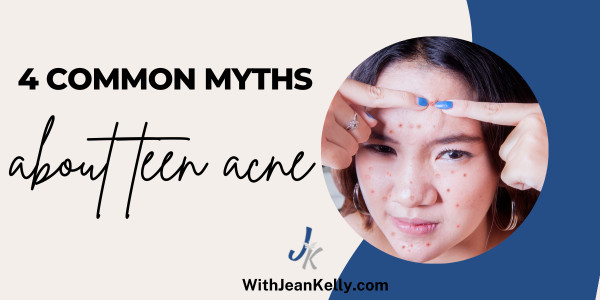
4 Common Myths About Teen Acne

4 Common Myths About Teen Acne

Debunking Common Myths About Teen Acne

Anyone who has battled acne knows how frustrating and embarrassing it can be, especially during the teenage years when hormones are running wild. Unfortunately, there are a lot of myths about acne that can make it hard to know how to treat it effectively. In this blog post, we will be debunking some of the most common myths about teen acne and providing evidence-based information to help dispel these misconceptions.

Myth #1: Acne is caused by poor hygiene.
This myth is probably one of the most persistent when it comes to acne. While it’s true that good hygiene is important for healthy skin, acne is not caused by dirt or lack of cleanliness. Acne is actually caused by a combination of excess oil production, clogged pores, and bacteria. So, no matter how often you wash your face, if you’re not exfoliating properly and you’re prone to acne, it may still occur.

Myth #2: Sun exposure can clear up acne.
Some people believe that sun exposure can help clear up acne, but this is another myth. While some sun exposure can have some benefits, such as increasing vitamin D production and helping to reduce inflammation, too much exposure can actually exacerbate acne.

Sunscreen is an important part of your skin care routine, especially if you’re using any acne serums with ingredients that cause sensitivity while in the sun. Sun exposure can also damage your skin, increase your risk of skin cancer, and cause premature aging.

Myth #3: Only teenagers get acne.
While it’s true that acne is often associated with the teenage years, it can occur at any age. In fact, adult acne is becoming increasingly common, especially in women. Acne can be caused by hormonal imbalances, foods, nutritional deficiencies, poor gut health, stress, medications, and other factors that can affect people of all ages.

It’s important to understand that clearing acne is not a quick fix. It is a lifelong process of creating and implementing healthy habits, regardless of your age.

Myth #4: Popping pimples is an effective way to get rid of acne.
This is perhaps the most harmful myth about acne. Popping or squeezing pimples doesn’t actually get rid of the acne and can actually make it worse. It can cause the infection to spread deeper into your skin, leading to even more pimples and potential scarring.

It’s important to resist the urge to pop or squeeze your pimples. Some ideas that may help are wearing pimple patches over your pimples, wearing gloves to bed or using a spot treatment on your pimples.

Acne is a common and frustrating condition, but it’s important to know the facts in order to effectively treat it. By dispelling these myths, we hope that you will have a better understanding of what causes acne and how to treat it.

Remember that clearing acne is a lifelong journey of healthy habits. Most importantly, don’t believe everything you hear about acne – stick to the evidence-based facts!

If you’re struggling with acne, try this free “Easy Acne Detox” HERE

Helping Your Teen Eat Less Sugar for Clearer Skin

Helping Your Teen Eat Less Sugar for Clearer Skin

Do you ever feel like your teenager’s love for sugar is out of control?
With the abundance of sugary treats and snacks available to them, it’s easy for teens to indulge in
sugar-filled diets, leading to acne and other skin issues.

As parents, it’s important to teach our teens healthy eating habits and to promote overall skin health.
In this blog, we’ll share some tips on how to help your teens eat less sugar, resulting in less breakouts.

Educate Your Teens
The first step in helping your teens form healthy eating habits is to teach them about the effects of sugar
on their skin. Explain to them how consuming high levels of sugar results in the release of insulin, which can cause imbalances in their hormones, leading to breakouts and other skin issues.

Teach them to read food labels and to look for options that contain lower sugar levels. It’s important to involve your teens in the process of choosing healthier foods, making them feel part of the decision-making process.

Find Healthier Alternatives
Making simple swaps can go a long way in reducing your teen’s sugar intake. Look for lower sugar alternatives when grocery shopping, such as fruits and veggies, whole grains, and lean proteins, as these foods have various skin benefits. Eating nutrient-dense foods promotes cell growth and repair, resulting in more vibrant-looking skin.

Experimenting with different recipes and snacks such as protein bowls, smoothies, and homemade trail mix can also be fun and rewarding.

Monitor Their Sugar Intake
It can be difficult for teens to self-regulate their sugar intake, but setting limits and monitoring sugar intake with a food log can help. Encourage your teens to take small, incremental steps towards reducing the sugar they eat, like forgoing sugary drinks for water or flavored seltzer. Gradually reducing sugar intake can help teens avoid feeling overwhelmed by the changes and make the transition smoother.

Lead by Example
As a parent, you have a significant impact on your teenager’s eating habits. By leading by example and being conscious of your eating habits, you can help shape your teen’s relationship with food. If you avoid sugary treats and instead opt for healthier options, your teen is more likely to follow and emulate these habits.

Be supportive of the changes that your teen will make towards healthier options, and be sure to recognize and commend their efforts.

Seek Professional Advice
For some teens, acne and other skin issues may be caused by more severe underlying issues that require a specialist’s intervention. If dietary changes aren’t solving the problem, seeking professional nutritional advice and guidance from a naturopathic doctor or a nutritionist may be beneficial.

Working with these professionals to find customized solutions for your teenager can help them feel more empowered and in control of their skin health.

Making healthy lifestyle choices begins with informed decisions.
As a parent, helping your teen reduce their sugar intake requires patience and persistence.
Prioritizing healthy and nutritious food options, setting boundaries, and leading by example will help your teens adopt a healthy relationship with food and promote overall clearer skin.

Remember, progress takes time and requires trial and error; be patient, and keep working towards your teen’s goal for healthier skin.

If you’re looking for more tips, this guide might be of interest… “3 Tips For Clearer Skin”. You can get that HERE