
3 Sneaky Foods That May Be Secretly Triggering Your Teen’s Breakouts

3 Sneaky Foods That May Be Secretly Triggering Your Teen’s Breakouts

You’ve tried every skincare routine, invested in premium products and followed all the expert advice, yet your teen’s acne persists. Before you blame their hormones or genetics entirely, it might be time to look at what’s on their dinner plate.

The connection between diet and acne is more significant than most parents realize. While proper skincare is essential, certain foods can create the perfect storm for breakouts from the inside out. The tricky part?  Some of the biggest culprits are foods we consider healthy or harmless.

The Science Behind Diet and Acne

Research shows that certain foods can trigger inflammation and hormonal fluctuations that directly impact skin health. When we eat foods that spike blood sugar or increase certain hormones, our sebaceous glands go into overdrive, producing excess oil that can clog pores and feed acne-causing bacteria.

Understanding this connection gives you another powerful tool in helping your teen achieve clearer skin, one that works from the inside out.

Sneaky Food #1: “Healthy” Smoothies and Protein Shakes

That post-workout protein shake or breakfast smoothie might seem like a nutritious choice, but many contain hidden acne triggers. Whey protein, in particular, has been linked to increased breakouts because it can spike insulin levels and increase the production of hormones that stimulate oil production.

Many smoothies also contain high amounts of dairy milk and added sugars, creating a double whammy for acne-prone skin. Even fruit-heavy smoothies can cause blood sugar spikes that trigger inflammatory responses.

The fix: Switch to plant-based protein powders like pea or hemp protein, use unsweetened almond or oat milk, and balance fruit with healthy fats like avocado or nut butter to slow sugar absorption.

Sneaky Food #2: “Low-Fat” and Diet Foods

When food manufacturers remove fat, they typically replace it with sugar or artificial sweeteners to maintain taste. These low-fat yogurts, granola bars and diet snacks often contain high amounts of added sugars or high-glycemic ingredients that can trigger breakouts.

Additionally, many diet foods contain artificial additives and preservatives that can increase inflammation in sensitive individuals. What seems like a healthy choice could be sabotaging your teen’s skin progress.

The fix: Choose whole, unprocessed foods over packaged “diet” versions. Full-fat Greek yogurt with fresh berries is often a better choice than low-fat flavored varieties loaded with sugar.

Sneaky Food #3: Iodine-Rich Foods (In Excess)

While iodine is an essential nutrient, consuming too much can exacerbate acne, particularly around the mouth and jawline. The problem isn’t just table salt, it’s the hidden iodine in processed foods, certain seafood and even some supplements.

Kelp, seaweed snacks, shellfish and iodized salt can all contribute to excess iodine intake. Many teens consume these without realizing the potential connection to their skin issues.

The fix: Monitor intake of high-iodine foods and consider switching to sea salt or Himalayan pink salt instead of iodized salt. This doesn’t mean eliminating these foods entirely, moderation is key.

The Bigger Picture: It’s Not Just About Restriction

The goal isn’t to put your teen on a restrictive diet that eliminates entire food groups. Instead, it’s about awareness and balance. Some teens may be more sensitive to certain foods than others, and identifying personal triggers can be a game-changer.

Keep a simple food and skin diary for 2-3 weeks. Note what your teen eats and any skin changes you observe. Patterns often emerge that can guide your approach. 

Supporting Clear Skin from Multiple Angles

While dietary awareness is powerful, it works best when combined with a consistent, gentle skincare routine designed for acne-prone skin. Your teen’s skin needs external support while you’re addressing internal triggers.

Our carefully formulated skincare bundles provide the external support your teen’s skin needs while you work on optimizing their diet. Clean, effective ingredients that won’t irritate sensitive skin, combined with dietary awareness, create the best environment for lasting clear skin.

Shop Our Skincare Bundles - Give Your Teen’s Skin the Support It Deserves

The Journey Continues: You’re Not Alone

Figuring out your teen’s unique triggers, whether dietary, hormonal, or environmental takes time, patience, and support. The good news? You don’t have to navigate this journey alone.

Connect with other parents who understand exactly what you’re experiencing in our free Facebook community. Share discoveries, get support during setbacks, and celebrate victories together.

Join “Parents of Teens with Acne” Facebook Group - Free Support & Expert Tips

In our group, you’ll find parents sharing their own food-trigger discoveries, skincare successes and the emotional support that makes all the difference in this journey.

Remember: Small Changes, Big Results

You don’t need to overhaul your teen’s entire diet overnight. Start by being aware of these sneaky triggers and making small, sustainable swaps. Combined with the right skincare approach and community support, these changes can make a significant difference in your teen’s skin and confidence.

Clear skin is rarely about one magic solution—it’s about understanding all the pieces of the puzzle and putting them together thoughtfully.

Have a fabulous day!

Jean Kelly

Licensed Esthetician, Acne Specialist

Mom’s come to me when they’ve tried everything and their teens acne just won’t clear
When “Dry” Skin Isn’t Actually Dry: The Hidden Truth About Skin Barrier Damage

Your teenager comes to you complaining about tight, flaky, irritated skin. Your natural response? Hand them a thick moisturizer and call it a day. But here’s what most parents don’t realize: what looks like dry skin might actually be something completely different; and treating it wrong could be making everything worse.

The reality is that dry skin and damaged skin barrier can be twins in disguise. They look similar, feel similar, but require completely different approaches. Miss this distinction, and you could be unknowingly prolonging your teen’s skin struggles.

True Dry Skin: What You’re Actually Dealing With

Real dry skin is a skin type, not a temporary condition. It’s characterized by a lack of natural oils (sebum) that keep skin soft and protected. If your teen has genuinely dry skin, you’ll notice:

  • Consistent flakiness across the face
  • Rough, dull-looking texture
  • Persistent tightness, especially after washing
  • Skin that feels better with heavier creams and oils

True dry skin is often inherited and tends to be a lifelong characteristic rather than something that suddenly appears.

The Hidden Culprit: Damaged Skin Barrier

Your skin’s barrier is like a protective shield - it locks moisture in and keeps harmful things out. When this barrier becomes compromised, even naturally oily skin can start acting “dry” on the surface while remaining problematic underneath.

Here’s how to spot skin barrier damage in your teen:

  • Skincare products that used to work now cause burning or stinging
  • Increased sensitivity to products they’ve used before
  • Persistent redness and inflammation
  • Flaky patches that seem to come and go
  • Acne that doesn’t respond to typical treatments
  • Skin that seems to get worse no matter what you try

Why This Mistake Is Sabotaging Your Teen’s Skin

When you treat barrier damage like regular dryness, you’re essentially putting a band-aid on a wound that needs proper healing. Heavy creams and oils might temporarily mask the symptoms, but they can also trap irritation and prevent the skin from repairing itself naturally.

This is why your teen’s skin might feel better for a day or two with a new product, then go back to being problematic; you’re addressing the symptoms, not the root cause.

What’s Actually Damaging Your Teen’s Skin Barrier

Understanding the cause is the first step to fixing the problem. Common barrier-damaging culprits include:

  • Over-washing or using harsh, too strong cleansers (especially those marketed for “problem skin”)
  • Excessive exfoliation with scrubs or acids
  • Products containing synthetic fragrances or other irritants
  • Sun damage from inadequate protection
  • Overuse of prescription acne treatments without proper support

The Simple Test: Dry Skin vs. Barrier Damage

Here’s an easy way to tell the difference:

If the skin feels tight and looks dull but doesn’t react negatively to gentle products → likely true dryness

If the skin stings, burns, or seems to get worse with most products you try → probably skin barrier damage

The Solution: Healing From the Inside Out

When dealing with barrier damage, the goal isn’t to add more products. It’s to support your skin’s natural healing process with the right ingredients.

Our Skin Barrier Repair Bundle takes a strategic approach to restoration:

Light & Gentle Creamy Cleanser removes impurities without stripping away protective oils

Blackhead Whitehead Sebum Dissolving Serum delivers light exfoliation with concentrated healing ingredients 

Oil Free Epidermal Hydrating Gel immediately soothes and balances skin pH

Maximum Moisture Cream with hyaluronic acid provides lasting hydration while strengthening the barrier

These four products work as a system; each one supporting the others to create an environment where healthy skin can flourish.

A Different Approach for Lasting Results

If your teen is caught in a cycle of trying product after product with no lasting improvement, it’s time to step back and focus on repair rather than treatment.

Skin Barrier damage requires patience, consistency and the right support. Instead of continuing to fight symptoms, give their skin what it needs to heal itself.

The Skin Barrier Repair Bundle isn’t just another skincare routine - it’s a reset button for skin that’s been through too much.

Ready to See Real Change?

Stop guessing what your teen’s skin needs. If they’re dealing with persistent sensitivity, redness, or breakouts that won’t respond to normal treatments, barrier repair might be the missing piece.

Shop the Skin Barrier Repair Bundle Now

Give their skin the gentle, effective support it needs to heal and return to balance.

Join Our Community of Parents Who Get It

You’re not alone in navigating your teen’s skin struggles. Connect with other parents who understand exactly what you’re going through in our free Facebook group: Parents of Teens with Acne.”

Get expert tips, share experiences and find support from parents who’ve been where you are now. Because sometimes the best advice comes from those who’ve walked the same path.

Join “Parents of Teens with Acne” Facebook Group - It’s Free!

Remember: Clear, healthy skin isn’t about doing more, it’s about doing what actually works.

Have a fabulous day!

Jean Kelly

Licensed Esthetician, Acne Specialist

Mom’s come to me when they’ve tried everything and their teen’s acne just won’t clear


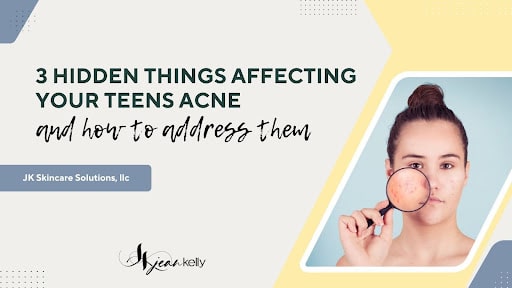
3 Hidden Things Affecting Your Teen’s Acne (And How to Address Them)

3 Hidden Things Affecting Your Teen’s Acne (And How to Address Them)

Does your teenager avoid photos, hide their face, or lose confidence when looking in the mirror? As a parent, watching your teen struggle with acne can be difficult. You want to help them regain their confidence, but you might not realize that certain everyday factors could be exacerbating the problem.

The truth is, acne isn’t just about hormones or insufficient face washing. Several hidden triggers in daily life can contribute to breakouts and irritation. Let’s explore three surprising factors that might be affecting your teen’s skin health and what you can do to help.

1. Overly Harsh Skincare Products

Many people believe that if a product causes stinging or tingling, it must be working effectively. However, this misconception can lead to further skin problems.

Popular acne treatments often contain harsh chemicals, sulfates and alcohols that damage the skin’s protective barrier. When this barrier is compromised, it triggers a defensive response: increased oil production, inflammation and ultimately, more breakouts.

If your teen mentions their skin feeling tight after cleansing, this signals potential over-stripping of natural oils. The goal should be healing and balancing the skin barrier, not drying it out completely.

Solution: Opt for gentle, pH-balanced cleansers and nourishing moisturizers formulated specifically for acne-prone skin. Effective options are available at various price points, making quality skincare accessible for most budgets. Find some recommended products HERE

2. Dietary Influences

Between academic demands, extracurricular activities, and social lives, teenagers often rely on convenient processed foods. However, diet directly impacts skin health in ways many don’t realize.

Certain foods can elevate blood sugar levels, promote inflammation and further disrupt hormonal balance. Common culprits include:

  • Sugary beverages and energy drinks
  • High-fat fast food options
  • Foods with canola oil

When internal inflammation increases, the body often expresses this through the skin’s condition.

Solution: Focus on gradual improvements rather than complete dietary overhauls. Encourage balanced meals featuring whole foods, introduce gut-supportive options and promote proper hydration. Improving internal health often leads to visible external benefits.

3. Gut Health Imbalances

An often overlooked connection exists between gut and skin health. Many dermatologists are only beginning to address this important relationship.

If your teen experiences digestive issues like bloating, constipation, or frequent stomach discomfort, their gut microbiome may be unbalanced. When gut health is compromised, the immune system can become hyperreactive, increasing inflammation that manifests as skin problems.

The gut communicates with the entire body, including the skin. A healthy gut supports healing skin, while an unhealthy one can undermine even the most diligent skincare routine.

Solution: Support gut health through probiotic-rich foods, adequate fiber intake and simple digestive wellness strategies. These fundamental adjustments often produce more noticeable results than topical treatments alone.

Moving Forward Together

If this information feels overwhelming, please know that you’re not alone. Parents aren’t typically provided guidance on helping their teens address acne through natural approaches and teenagers often feel they must manage these concerns independently.

That’s why we developed the Clear Skin Secrets online course,  A comprehensive program that has helped numerous families facing similar challenges.

Our course provides:

  • What to look for in skincare so it’s the right pH for the skin
  • Teen-friendly food recommendations that support clear skin
  • Practical lifestyle adjustments for improved gut health and hormonal balance
  • Strategies to rebuild your teen’s confidence during the healing process

Imagine your teen feeling comfortable in their own skin again—smiling confidently in photos, participating fully in activities, and no longer hiding behind clothing or makeup.

This positive change is achievable, and we’d be honored to guide you through the process.

Ready to help your teen rediscover their confidence? Enroll in Clear Skin Secrets today to begin your family’s journey toward healthier skin and renewed self-assurance.

Have a fabulous day!

Jean Kelly

Licensed Esthetician, Acne Specialist

PS - If you’re looking for extra support, join my free FaceBook group “Parents of Teens with Acne” HERE

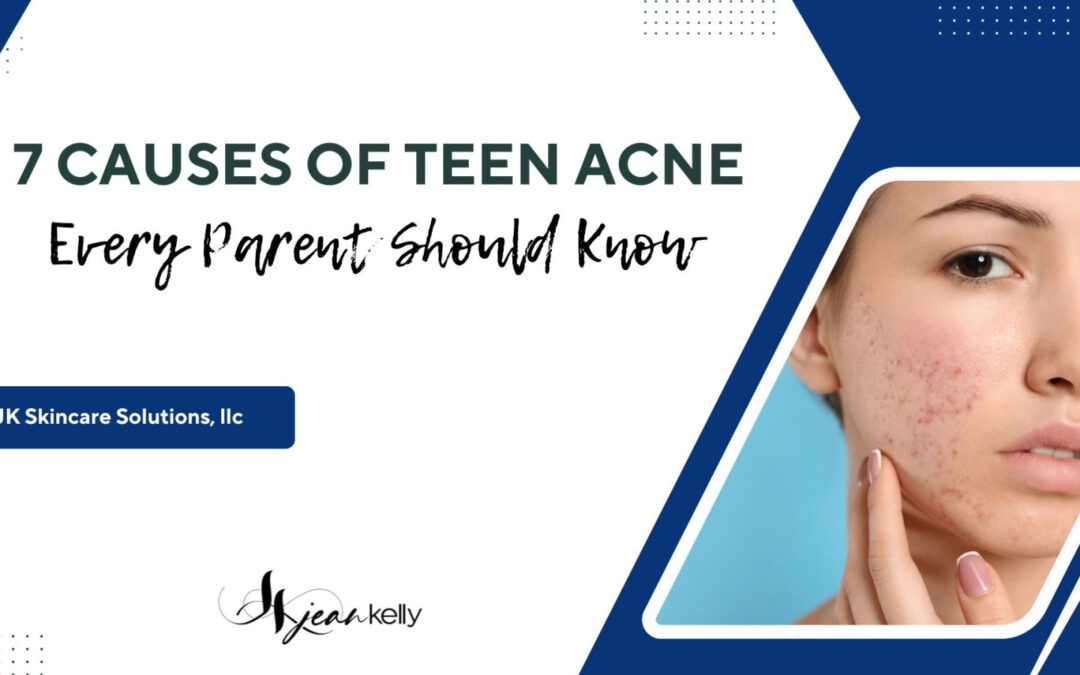
7 Causes of Teen Acne Every Parent Should Know

7 Causes of Teen Acne Every Parent Should Know

7 Causes of Teen Acne Every Parent Should Know

Acne is one of the most common, and frustrating, skin concerns among teenagers. While it’s often seen as a normal part of growing up, understanding what triggers acne in teens can empower parents to take early, proactive steps. If you’ve found yourself searching for answers, you’re not alone. Here are seven key causes of teen acne that every parent should know.

1. Hormonal Changes During Puberty
One of the leading causes of teen acne is the natural hormonal shift that happens during puberty. As androgen hormones (like testosterone) increase, they stimulate the skin’s oil glands to produce more sebum (oil). While oil is essential to keep skin hydrated, too much of it can clog pores, leading to breakouts. This type of hormonal acne in teens is typically found on the forehead, nose, and chin; commonly known as the T-zone.

2. Overactive Oil Glands
Teens often have oilier skin due to increased hormone levels. Excess oil mixes with dead skin cells and bacteria on the skin’s surface, creating the perfect storm for acne. If your teen has noticeably oily skin and frequent blackheads or whiteheads, their oil glands may be working overtime.

3. Clogged Pores and Poor Skin Hygiene
While acne isn’t caused by dirty skin, poor skin hygiene can definitely make it worse. Teens who don’t cleanse their face regularly, or who sleep in makeup, are more likely to experience clogged pores. Using the wrong skincare products, especially harsh scrubs or heavy creams, can irritate the skin and lead to more breakouts.

Encourage your teen to use a gentle, non-comedogenic (won’t clog pores) cleanser twice a day, and never sleep with makeup on. Always check the ingredients for pore cloggers, even when it says “non-comedogenic”. Get a FREE List of pore clogging ingredients HERE

4. Diet and Nutrition
More and more research is pointing to a connection between diet and acne. While the exact relationship is still being studied, we do know that foods high in sugar, dairy, and processed carbs can contribute to inflammation in the body. For many teens, this can mean more frequent breakouts.

Parents can support their teen by offering more skin-friendly meals that include whole foods, leafy greens, healthy fats, and plenty of water. Tracking food intake and skin reactions can help identify personal acne triggers. A food log is helpful.

5. Stress and Lack of Sleep
Teens today are under more pressure than ever, from academics and extracurriculars to social media and peer dynamics. Stress increases cortisol, a hormone that can lead to increased oil production and inflammation, both of which can worsen acne.

Encouraging your teen to prioritize sleep, practice relaxation techniques and take breaks from screens can make a noticeable difference in their skin and overall well-being.

6. Genetics and Family History
Sometimes, acne is simply in the genes. If you or your partner struggled with acne as teens, there’s a higher chance your child may experience it too. While you can’t change genetics, understanding this factor helps set realistic expectations and may encourage earlier intervention to manage symptoms effectively.

7. Pore-Clogging Products (Cosmetics and Haircare)
Another often-overlooked cause is the use of pore-clogging products. Teens may use makeup, sunscreens or even hair products that contain ingredients like mineral oil or silicones that can trigger breakouts along the forehead, temples, and jawline.

Parents should look for the label “non-comedogenic” and check the ingredient list on all skincare and haircare products used by their teen.

Understanding what triggers acne in teens helps remove the mystery and frustration from the process. Whether it’s hormonal acne in teens, poor diet, or lifestyle factors, there’s often more than one cause at play. As a parent, you don’t have to have all the answers, but you can provide the guidance and support your teen needs to start their journey toward clearer skin.

Want more help navigating the world of teen acne? Download our free pore clogging ingredient list and take the first step together.

Have a fabulous day!
Jean Kelly
Acne Specialist

Fashion and Style Tips for Teens with Acne: Boosting Confidence Through Wardrobe Choices

Fashion and Style Tips for Teens with Acne: Boosting Confidence Through Wardrobe Choices

Fashion and Style Tips for Teens with Acne: Boosting Confidence Through Wardrobe Choices

Dealing with acne can feel overwhelming, especially when it impacts your confidence. While skincare is essential, your wardrobe can also play a big role in helping you feel good about yourself. The right clothes, colors and accessories can shift the focus from your skin to your personal style, boosting your self-esteem in the process. Here are some fashion and style tips to help teens with acne feel more confident in their own skin.

1. Choose Fabrics That Are Kind to Your Skin
Your skin deserves comfort, so it’s important to pick fabrics that don’t irritate it.

Breathable Materials: Look for natural fabrics like cotton, bamboo or linen which allow your skin to breathe and reduce irritation.

Soft Textures: Avoid scratchy or rough materials that may irritate sensitive skin on your face, neck, or shoulders.

Light Layers: If you’re prone to acne on your back or chest, wear light, loose layers to minimize friction and prevent sweat buildup.

2. Pick Colors That Highlight Your Style
The right colors can help draw attention to your outfit rather than your skin. Fun tip: come up with your own brand color!

Brights and Neutrals: Wearing bright or neutral shades near your face can help balance out redness or inflammation.

Avoid All-Black: While black is classic, wearing too much of it near your face can emphasize shadows and breakouts.

Experiment with Prints: Patterns like florals, stripes or polka dots can add personality to your look while shifting focus from your skin.

3. Use Accessories to Express Yourself
Accessories are a great way to show off your personality and creativity.

Statement Jewelry: Bold earrings or a fun necklace can draw attention to your style.

Hats and Scarves: A stylish hat or lightweight scarf can add flair to your outfit while giving your skin a break from the spotlight.

Fun Shoes or Bags: A pop of color in your shoes or backpack can make your whole outfit stand out.

4. Wear Comfortable and Confidence-Boosting Outfits
When you’re comfortable, you feel more confident. Your posture also plays a role if feeling confident so be sure to stand (and sit) up straight!

Find Your Fit: Clothes that fit well make a big difference. Not too tight, not too baggy — just the right fit to help you feel put-together.

Go for Layers: A layered look can add depth to your style and keep you cozy, especially if you’re self-conscious about body acne.

Keep It Simple: A clean and simple outfit with one standout piece, like a cool jacket or graphic tee, can make you feel effortlessly stylish.

5. Use Makeup and Hairstyles to Complement Your Look
While makeup isn’t necessary, a little can go a long way in boosting confidence.

Light Coverage: Focus on your eyes with mascara and neutral eye shadow. Use non-comedogenic (acne-safe) foundation or concealer to even out your skin tone if necessary.

Play with Hairstyles: Hairstyles like loose braids, ponytails or soft waves can frame your face and enhance your look.

Keep It Clean: Always wash your makeup off at the end of the day to prevent clogged pores. It’s important to never sleep with makeup on. Did you know that a pimple can start forming under your skin 90 days before it appears? So that one night you sleep in your makeup can cause a pimple to show up 3 months from now!

6. Embrace Your Unique Style
Your style is a reflection of who you are, so don’t be afraid to express yourself!

Show Your Personality: Whether you love sporty looks, artsy vibes or trendy outfits, embrace what makes you feel good.

Confidence Over Perfection: Remember, everyone has things they’re self-conscious about. Confidence comes from owning your style and being comfortable in your choices.

Your Style Can Empower You
Fashion isn’t just about following trends, it’s about finding what makes you feel confident and comfortable. By choosing the right fabrics, colors and accessories you can shift the focus from your skin to your unique style. Feeling good in your clothes can help you feel more confident, even on days when acne feels overwhelming.

Ready to Feel Even More Confident?
Acne can be stressful, but managing stress can improve both your skin and your mood. That’s why we’re offering a free guide: “Stress Relief Journal Prompts.” Writing can help you relax and focus on the positives in your life.

Click HERE to grab your free guide and start feeling more confident today!

Hope you have a fabulous day!

Jean Kelly
Licensed Esthetician
Acne Specialist

“Mom’s come to me when they’ve tried everything but their teens acne just won’t clear”

PS
You’re invited to join my free Facebook Group “Parents of Teens With Acne”, get invitation HERE

If you want to get started right away with some secrets that are easy to implement and don’t cost a lot of money, grab the online mini course “Clear Skin Secrets”HERE and start using the secrets today! It’s super affordable at only $28 and lots of moms are jumping in before the price goes up.