7 Causes of Teen Acne Every Parent Should Know

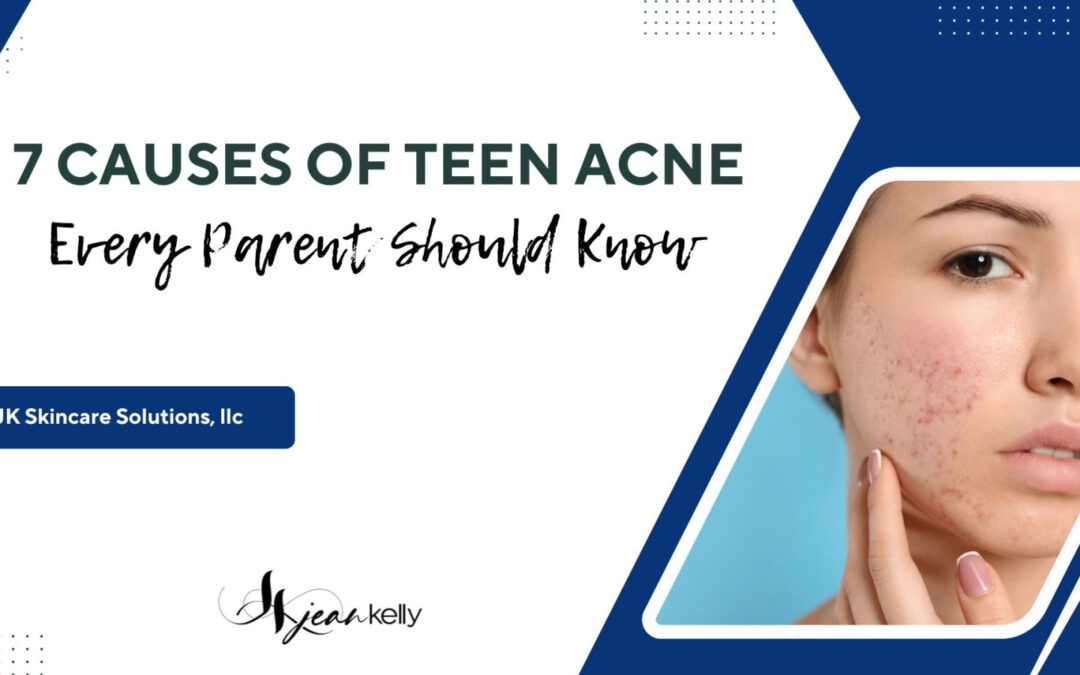
7 Causes of Teen Acne Every Parent Should Know

7 Causes of Teen Acne Every Parent Should Know

Acne is one of the most common, and frustrating, skin concerns among teenagers. While it’s often seen as a normal part of growing up, understanding what triggers acne in teens can empower parents to take early, proactive steps. If you’ve found yourself searching for answers, you’re not alone. Here are seven key causes of teen acne that every parent should know.

1. Hormonal Changes During Puberty
One of the leading causes of teen acne is the natural hormonal shift that happens during puberty. As androgen hormones (like testosterone) increase, they stimulate the skin’s oil glands to produce more sebum (oil). While oil is essential to keep skin hydrated, too much of it can clog pores, leading to breakouts. This type of hormonal acne in teens is typically found on the forehead, nose, and chin; commonly known as the T-zone.

2. Overactive Oil Glands
Teens often have oilier skin due to increased hormone levels. Excess oil mixes with dead skin cells and bacteria on the skin’s surface, creating the perfect storm for acne. If your teen has noticeably oily skin and frequent blackheads or whiteheads, their oil glands may be working overtime.

3. Clogged Pores and Poor Skin Hygiene
While acne isn’t caused by dirty skin, poor skin hygiene can definitely make it worse. Teens who don’t cleanse their face regularly, or who sleep in makeup, are more likely to experience clogged pores. Using the wrong skincare products, especially harsh scrubs or heavy creams, can irritate the skin and lead to more breakouts.

Encourage your teen to use a gentle, non-comedogenic (won’t clog pores) cleanser twice a day, and never sleep with makeup on. Always check the ingredients for pore cloggers, even when it says “non-comedogenic”. Get a FREE List of pore clogging ingredients HERE

4. Diet and Nutrition
More and more research is pointing to a connection between diet and acne. While the exact relationship is still being studied, we do know that foods high in sugar, dairy, and processed carbs can contribute to inflammation in the body. For many teens, this can mean more frequent breakouts.

Parents can support their teen by offering more skin-friendly meals that include whole foods, leafy greens, healthy fats, and plenty of water. Tracking food intake and skin reactions can help identify personal acne triggers. A food log is helpful.

5. Stress and Lack of Sleep
Teens today are under more pressure than ever, from academics and extracurriculars to social media and peer dynamics. Stress increases cortisol, a hormone that can lead to increased oil production and inflammation, both of which can worsen acne.

Encouraging your teen to prioritize sleep, practice relaxation techniques and take breaks from screens can make a noticeable difference in their skin and overall well-being.

6. Genetics and Family History
Sometimes, acne is simply in the genes. If you or your partner struggled with acne as teens, there’s a higher chance your child may experience it too. While you can’t change genetics, understanding this factor helps set realistic expectations and may encourage earlier intervention to manage symptoms effectively.

7. Pore-Clogging Products (Cosmetics and Haircare)
Another often-overlooked cause is the use of pore-clogging products. Teens may use makeup, sunscreens or even hair products that contain ingredients like mineral oil or silicones that can trigger breakouts along the forehead, temples, and jawline.

Parents should look for the label “non-comedogenic” and check the ingredient list on all skincare and haircare products used by their teen.

Understanding what triggers acne in teens helps remove the mystery and frustration from the process. Whether it’s hormonal acne in teens, poor diet, or lifestyle factors, there’s often more than one cause at play. As a parent, you don’t have to have all the answers, but you can provide the guidance and support your teen needs to start their journey toward clearer skin.

Want more help navigating the world of teen acne? Download our free pore clogging ingredient list and take the first step together.

Have a fabulous day!
Jean Kelly
Acne Specialist
Fashion and Style Tips for Teens with Acne: Boosting Confidence Through Wardrobe Choices

Fashion and Style Tips for Teens with Acne: Boosting Confidence Through Wardrobe Choices

Fashion and Style Tips for Teens with Acne: Boosting Confidence Through Wardrobe Choices

Dealing with acne can feel overwhelming, especially when it impacts your confidence. While skincare is essential, your wardrobe can also play a big role in helping you feel good about yourself. The right clothes, colors and accessories can shift the focus from your skin to your personal style, boosting your self-esteem in the process. Here are some fashion and style tips to help teens with acne feel more confident in their own skin.

1. Choose Fabrics That Are Kind to Your Skin
Your skin deserves comfort, so it’s important to pick fabrics that don’t irritate it.

Breathable Materials: Look for natural fabrics like cotton, bamboo or linen which allow your skin to breathe and reduce irritation.

Soft Textures: Avoid scratchy or rough materials that may irritate sensitive skin on your face, neck, or shoulders.

Light Layers: If you’re prone to acne on your back or chest, wear light, loose layers to minimize friction and prevent sweat buildup.

2. Pick Colors That Highlight Your Style
The right colors can help draw attention to your outfit rather than your skin. Fun tip: come up with your own brand color!

Brights and Neutrals: Wearing bright or neutral shades near your face can help balance out redness or inflammation.

Avoid All-Black: While black is classic, wearing too much of it near your face can emphasize shadows and breakouts.

Experiment with Prints: Patterns like florals, stripes or polka dots can add personality to your look while shifting focus from your skin.

3. Use Accessories to Express Yourself
Accessories are a great way to show off your personality and creativity.

Statement Jewelry: Bold earrings or a fun necklace can draw attention to your style.

Hats and Scarves: A stylish hat or lightweight scarf can add flair to your outfit while giving your skin a break from the spotlight.

Fun Shoes or Bags: A pop of color in your shoes or backpack can make your whole outfit stand out.

4. Wear Comfortable and Confidence-Boosting Outfits
When you’re comfortable, you feel more confident. Your posture also plays a role if feeling confident so be sure to stand (and sit) up straight!

Find Your Fit: Clothes that fit well make a big difference. Not too tight, not too baggy — just the right fit to help you feel put-together.

Go for Layers: A layered look can add depth to your style and keep you cozy, especially if you’re self-conscious about body acne.

Keep It Simple: A clean and simple outfit with one standout piece, like a cool jacket or graphic tee, can make you feel effortlessly stylish.

5. Use Makeup and Hairstyles to Complement Your Look
While makeup isn’t necessary, a little can go a long way in boosting confidence.

Light Coverage: Focus on your eyes with mascara and neutral eye shadow. Use non-comedogenic (acne-safe) foundation or concealer to even out your skin tone if necessary.

Play with Hairstyles: Hairstyles like loose braids, ponytails or soft waves can frame your face and enhance your look.

Keep It Clean: Always wash your makeup off at the end of the day to prevent clogged pores. It’s important to never sleep with makeup on. Did you know that a pimple can start forming under your skin 90 days before it appears? So that one night you sleep in your makeup can cause a pimple to show up 3 months from now!

6. Embrace Your Unique Style
Your style is a reflection of who you are, so don’t be afraid to express yourself!

Show Your Personality: Whether you love sporty looks, artsy vibes or trendy outfits, embrace what makes you feel good.

Confidence Over Perfection: Remember, everyone has things they’re self-conscious about. Confidence comes from owning your style and being comfortable in your choices.

Your Style Can Empower You
Fashion isn’t just about following trends, it’s about finding what makes you feel confident and comfortable. By choosing the right fabrics, colors and accessories you can shift the focus from your skin to your unique style. Feeling good in your clothes can help you feel more confident, even on days when acne feels overwhelming.

Ready to Feel Even More Confident?
Acne can be stressful, but managing stress can improve both your skin and your mood. That’s why we’re offering a free guide: “Stress Relief Journal Prompts.” Writing can help you relax and focus on the positives in your life.

Click HERE to grab your free guide and start feeling more confident today!

Hope you have a fabulous day!

Jean Kelly
Licensed Esthetician
Acne Specialist

“Mom’s come to me when they’ve tried everything but their teens acne just won’t clear”

PS
You’re invited to join my free Facebook Group “Parents of Teens With Acne”, get invitation HERE

If you want to get started right away with some secrets that are easy to implement and don’t cost a lot of money, grab the online mini course “Clear Skin Secrets”HERE and start using the secrets today! It’s super affordable at only $28 and lots of moms are jumping in before the price goes up.

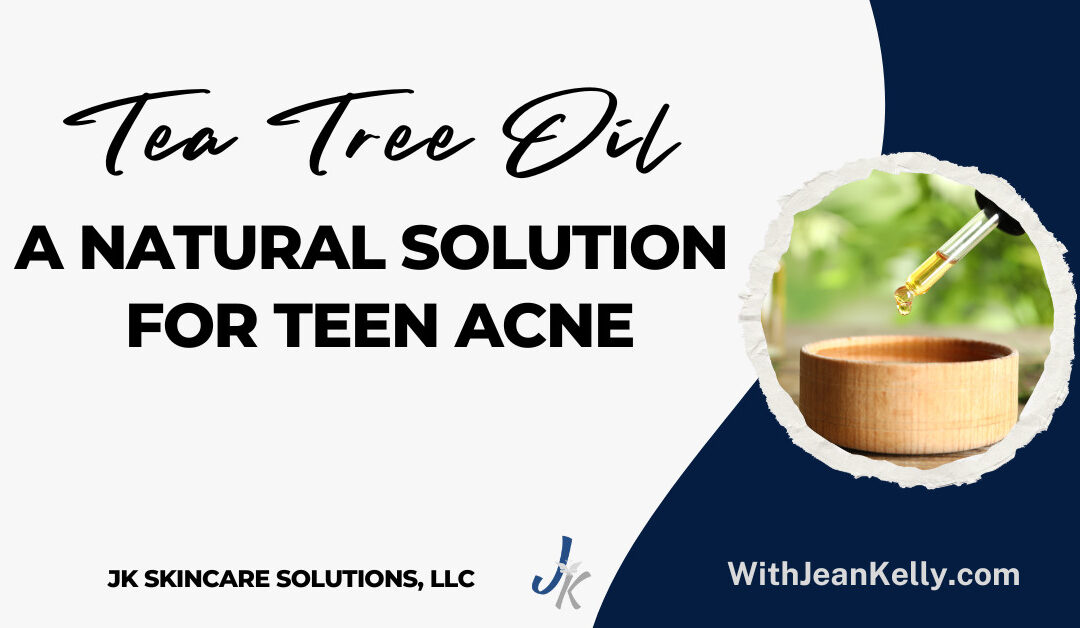
Tea Tree Oil: A Natural Solution for Teen Acne

Tea Tree Oil: A Natural Solution for Teen Acne

Tea Tree Oil: A Natural Solution for Teen Acne

Dealing with acne can be frustrating, but nature offers a powerful ally: tea tree oil. This essential oil, derived from the leaves of the tea tree (Melaleuca alternifolia), is known for its antibacterial and anti-inflammatory properties, making it a popular choice for managing breakouts. If you’re a teen struggling with acne, here’s what you need to know about using tea tree oil safely and effectively.

Benefits of Tea Tree Oil for Acne

Kills Acne-Causing Bacteria: Tea tree oil has natural antibacterial properties that help eliminate bacteria trapped in pores, reducing breakouts.

Reduces Inflammation: Its anti-inflammatory effects can calm redness, swelling and irritation, making pimples less noticeable.

Promotes Healing: Tea tree oil can speed up the recovery of blemishes and prevent scars when used correctly.

How to Use Tea Tree Oil Safely

Tea tree oil is potent, so it’s important to use it correctly to avoid irritation:

Always Dilute: Never apply tea tree oil directly to your skin. Mix a few drops with a carrier oil like jojoba or vitamin E oil before using.

Spot Treatment: Dip a cotton swab in the diluted tea tree oil and gently apply it to pimples. Avoid covering large areas of skin.

Add to Products: You can add a drop of tea tree oil to your regular cleanser or moisturizer for an extra acne-fighting boost.

Precautions

Patch Test First: Test the diluted oil on a small area of skin to check for any allergic reactions.

Avoid Sensitive Areas: Keep tea tree oil away from your eyes, mouth and open wounds.

Don’t Overuse: Excessive use can dry out your skin, leading to more oil production and potential breakouts.

Tea tree oil is a natural and effective option for teens battling acne, but it’s important to use it wisely. When combined with a good skincare routine and healthy habits, it can help you achieve clearer, calmer skin.

Ready to take control of your skin naturally? 🌿 Download our FREE guide: “Holistic Approach to Clearing Acne” HEREand discover simple, effective ways to achieve clear, healthy skin. Learn how nutrition, skincare and lifestyle changes can make a big difference. Don’t wait—start your journey to glowing skin today! Click HERE to grab your free guide now!
“Moms come to me when nothing else worked, and their teen’s acne won’t clear”

PS.
You’re invited to join my free Facebook Group “Parents of Teens With Acne”, get invitation HERE

If you want to get started right away with some secrets that are easy to implement and don’t cost a lot of money, grab the online mini course “Clear Skin Secrets” HERE and start using the secrets today! It’s super affordable at only $28 and lots of moms are jumping in before the price goes up.

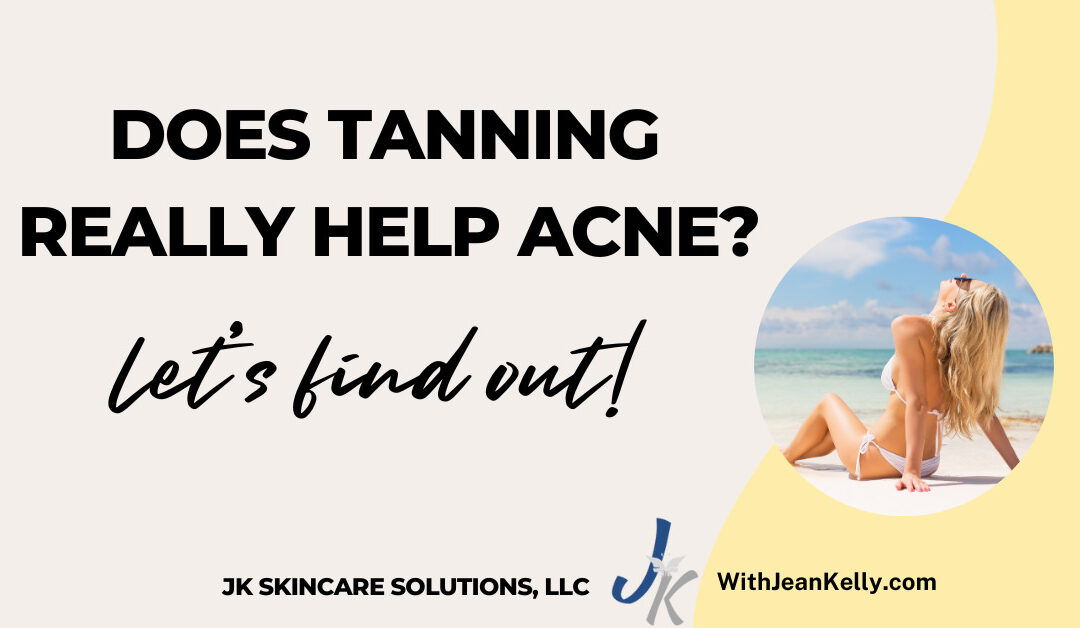
Does Tanning Really Help Acne? Let’s Find Out!

Does Tanning Really Help Acne? Let’s Find Out!

Does Tanning Really Help Acne? Let’s Find Out!

You might have heard someone say, “Go outside and get a tan, it’ll clear up your acne!” While this advice might sound helpful, it’s actually a big misunderstanding. Let’s talk about why tanning isn’t the answer to clear skin and what you can do instead to help your skin feel and look better.

What Is Tanning?
Tanning happens when your skin gets darker because of sunlight. The sun gives off something called UV rays, which can change your skin color. Some people think that tanning dries up acne and makes their skin look better. But is that really true?

Why Tanning Doesn’t Fix Acne
Temporary Results:
Tanning might make your skin look smoother at first because it hides redness. But the truth is, it doesn’t fix the problem. The acne is still there and tanning doesn’t make it go away.

Dry Skin Problems:
The sun can dry out your skin, which might seem like a good thing for oily skin. But when your skin gets too dry, it tries to protect itself by making even more oil! This extra oil can clog your pores and lead to more breakouts.

Long-Term Damage:
Tanning can hurt your skin. It can cause wrinkles, sunspots and even skin cancer. These are big problems that can happen later in life.

Dark Marks Stay Longer:
If you have acne scars or dark spots, tanning can make them darker and harder to fade. This is because UV rays affect how your skin heals.

What Should You Do Instead?

Instead of tanning, try these healthy skin tips:

Protect Your Skin: Wear sunscreen every day, even if it’s cloudy. Use one that’s labeled non-comedogenic, so it won’t clog your pores.

Stick to a Routine: Wash your face gently twice a day and use products made for acne-prone skin.

Moisturize: Yes, even if you have acne! Keeping your skin hydrated and moisturized helps prevent dryness and irritation.

Manage Stress: Stress can make acne worse. Finding ways to relax can help your skin and your mind.

How Stress Affects Your Skin
Stress can make your skin more sensitive and lead to breakouts. When you’re stressed, your body makes more hormones, like cortisol, which can cause your skin to produce extra oil. That’s why managing stress is super important when you’re trying to take care of your skin.

Free Guide: “Stress Relief with Journal Prompts”
Want an easy way to manage stress? Grab our free guide: “Stress Relief with Journal Prompts” HERE. Writing in a journal helps you get your thoughts out and feel calmer. It’s a great way to take care of your mind and your skin!

The Bottom Line
Tanning might seem like a quick fix for acne, but it’s not the answer. Instead, focus on taking care of your skin the healthy way; with sunscreen, a good skincare routine and stress relief. Remember, your skin deserves kindness, and so do you.

Ready to start feeling calmer and more confident? Download our free guide HERE and take the first step toward clearer skin and a happier you!

Have a fabulous day!

Jean Kelly
Licensed Esthetician
Acne Specialist

“Mom’s come to me when they’ve tried everything but their teens acne just won’t clear”

PS.
You’re invited to join my free Facebook Group “Parents of Teens With Acne”, get invitation HERE

If you want to get started right away with some secrets that are easy to implement and don’t cost a lot of money, grab the online mini course “Clear Skin Secrets” HERE and start using the secrets today! It’s super affordable at only $28 and lots of moms are jumping in before the price goes up.

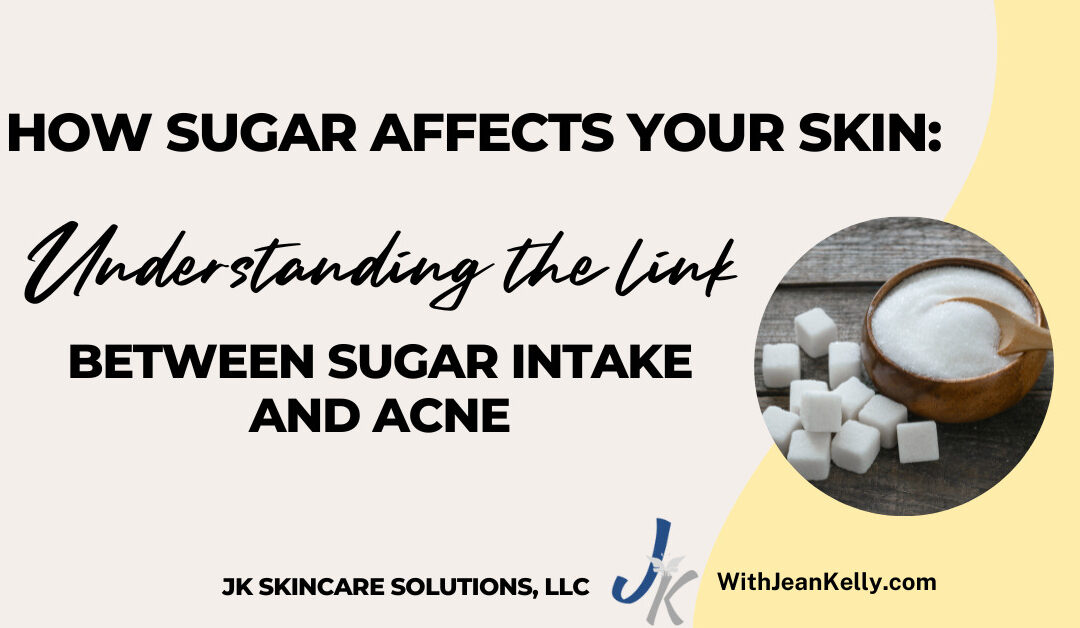
How Sugar Affects Your Skin: Understanding the Link Between Sugar Intake and Acne

How Sugar Affects Your Skin: Understanding the Link Between Sugar Intake and Acne

How Sugar Affects Your Skin: Understanding the Link Between Sugar Intake and Acne

If you’ve been wondering why your skin seems to break out more after indulging in sweets, you’re not alone. Many people don’t realize how much of an impact sugar can have on skin health. The connection between sugar and acne lies in how it affects your hormones, inflammation levels and overall skin balance. In this post, we’ll explore how sugar intake contributes to skin issues, and share actionable tips to help you reduce its impact for clearer, healthier skin.

The Science of Sugar and Skin Health
When you eat sugary foods or high-glycemic carbohydrates (like white bread, soda, or candy), your blood sugar levels spike. This triggers your body to release insulin, a hormone that helps regulate blood sugar. However, high insulin levels can set off a chain reaction that directly affects your skin:

Increased Oil Production:
High insulin levels stimulate the sebaceous glands, causing them to produce more oil (sebum). Excess oil clogs pores, leading to acne breakouts.

Inflammation:
Sugar causes inflammation in the body, which exacerbates redness, swelling and cystic acne.

Breakdown of Collagen and Elastin:
Sugar molecules bind to proteins in your skin through a process called glycation. This weakens collagen and elastin, leading to sagging skin, fine lines and a dull complexion over time.

Hormonal Fluctuations:
Consuming sugar can also trigger hormonal imbalances that worsen acne, especially for those with hormone-related skin issues like PCOS or teen hormonal acne.

Signs Your Skin May Be Affected by Sugar
If you’re noticing these signs, your sugar intake might be contributing to your skin issues:

  • Frequent breakouts, especially around the chin and jawline.
  • Persistent redness or inflammation.
  • Dull, uneven skin tone.
  • Increased oiliness after eating sweets.

Tips to Reduce Sugar’s Impact on Your Skin

Cut Back on Added Sugars:
Limit sugary drinks, candies and desserts. Check nutrition labels for hidden sugars in foods like granola bars, sauces and dressings.

Choose Low-Glycemic Foods:
Low-glycemic foods, like leafy greens, whole grains and lean proteins, release energy more slowly and prevent insulin spikes.

Balance Your Meals:
Pair carbohydrates with protein or healthy fats to stabilize blood sugar levels. For example, add almond butter to your apple slices or pair whole-grain crackers with hummus.

Hydrate with Water:
Replace sugary beverages with water or herbal teas. Staying hydrated supports detoxification and keeps skin looking fresh.

Incorporate Antioxidant-Rich Foods:
Foods like berries, nuts and dark leafy greens help combat inflammation caused by sugar.

Practice Moderation, Not Deprivation:
It’s okay to enjoy the occasional treat, but moderation is key. When you do indulge, try to balance it with a nutrient-rich meal.

The Connection Between Sugar and Skin Conditions

Reducing sugar intake isn’t just about managing acne, it can also improve other skin concerns:

Dullness and Fine Lines: Lower sugar consumption helps maintain collagen and elastin, keeping skin firm and youthful.

Rosacea and Inflammation: Cutting back on sugar reduces overall inflammation, which can help manage conditions like rosacea.

Hormonal Acne: Stabilizing blood sugar levels prevents insulin spikes that exacerbate hormonal imbalances.

What to Eat Instead of Sugar for Clear Skin
Replacing sugary snacks with skin-friendly foods can make a noticeable difference. Here are some great swaps:

Instead of Soda: Try sparkling water with fresh lemon or mint.
Instead of Candy: Reach for a handful of berries or a piece of dark chocolate (70% cocoa or higher).
Instead of Sugary Cereal: Opt for oatmeal topped with nuts and cinnamon.

Take Control of Your Skin by Managing Sugar Intake
While sugar isn’t the only factor affecting acne, it plays a significant role in triggering breakouts and other skin issues. By understanding how sugar impacts your skin and making mindful changes to your diet, you can take a big step toward achieving clearer, healthier skin.

Looking for more ways to tackle acne from the inside out? Check out my Clear Skin Secrets online mini-course, where you’ll learn how to manage acne through diet, skincare, and lifestyle tips. Start your journey to healthier, glowing skin today! Click HERE for more info

Bonus: Click HERE for a free guide “Snack Ideas for Clearer Skin”. Planning healthy snacks will help avoid the drive through!

Have a fabulous day!

Jean Kelly
Licensed Esthetician
Acne Specialist

“Moms reach out to me when nothing seems to work, and their teen’s acne continues to be a frustrating challenge.”

PS.
You’re invited to join my free Facebook Group “Parents of Teens With Acne”, get invitation HERE

If you want to get started right away with some secrets that are easy to implement and don’t cost money, grab the online mini course “Clear Skin Secrets” HERE and start using the secrets today! It’s super affordable at only $28 and lots of moms are jumping in before the price goes up.

How to Cope with Anxiety from Acne in Social Situations: Tips for Teens

How to Cope with Anxiety from Acne in Social Situations: Tips for Teens

How to Cope with Anxiety from Acne in Social Situations: Tips for Teens

Dealing with acne can be tough, especially for teens navigating school, friendships and social activities. The pressure to fit in and feel confident can intensify anxiety, particularly in social situations. While acne is a common experience for many teens, it often feels isolating, making it harder to face the world with confidence. Here are some practical tips for teens coping with anxiety caused by acne in social settings.

1. Understand That You’re Not Alone
One of the first steps to reducing anxiety and building confidence with acne is realizing that acne is incredibly common. Studies show that nearly 85% of teens experience acne at some point. The next time you feel self-conscious, remind yourself that you’re not alone. Most of your peers have faced or are currently dealing with the same challenges.

If it helps, talk to trusted friends or family members who’ve been through similar experiences. Sharing your feelings can be a huge relief and may help you feel less isolated.

2. Shift the Focus Away from Your Skin
Anxiety often stems from the belief that others are judging your appearance. The truth is, people are usually far more focused on themselves than on others. When you feel the spotlight on your acne, redirect your attention:

Engage in the conversation and actively listen to others.
Practice smiling and maintaining eye contact, which exudes confidence and draws attention to your positivity.
Tip: Prepare a few conversation starters or questions to ask others, helping shift focus away from your insecurities and toward meaningful interactions.

3. Build Confidence with a Daily Routine
Having a consistent skincare routine not only improves your skin but also gives you a sense of control. Sticking to a routine shows you’re taking proactive steps to care for yourself, which can boost your confidence. If you’re looking for the best skincare routine for your acne, consult with a licensed esthetician who’s an acne specialist. They can customize the right routine for you and make updates as you clear.

Include a gentle cleanser, an acne serum, a non-comedogenic moisturizer and sunscreen to protect your skin from irritation and further breakouts.
Remember, clear skin takes time, so patience and persistence are key.

4. Practice Positive Self-Talk
Negative self-talk can amplify anxiety and make social situations feel unbearable. Replace harsh, self-critical thoughts with positive affirmations. Instead of thinking, “Everyone is staring at my acne,” remind yourself, “I am more than my skin, and people value me for who I am.”

Get some FREE Affirmation Coloring pages that are perfect for teens with acne HERE
Repeating uplifting statements to yourself daily can help reduce self-doubt and build resilience.

5. Use Makeup or Cover-Up Strategically
For teens who feel more comfortable using makeup, non-comedogenic (acne-safe) products can provide extra confidence in social situations. A tinted moisturizer or light foundation can even out skin tone without clogging pores. The goal is to enhance your confidence, not hide your natural beauty.

Make sure you check the ingredients to find the best non-comedogenic makeup for teens with acne. Sometimes there are pore cloggers even when it says “non comedogenic”.

6. Plan Ahead for Social Situations
Anxiety can spike when you feel unprepared. If you’re worried about how others will perceive your skin, planning can help ease the tension. Stress is also an acne trigger so it’s best to plan ahead so you can manage social anxiety as a teen.

  • Wear an outfit you feel great in.
  • Practice a few relaxation techniques, like deep breathing, before heading out.
  • Focus on the experience, not on your appearance.

7. Talk to a Trusted Adult or Therapist
If anxiety about your skin feels overwhelming, don’t hesitate to reach out to someone you trust. A parent, acne specialist or therapist can provide guidance and support. Therapists, in particular, can help you develop strategies for managing anxiety and improving self-esteem. Mental health support for teens with acne is important for their well being.

8. Remember That This Is Temporary
Acne is not forever and many teens see significant improvement in their skin as they age. It’s important to focus on your long-term well-being and remind yourself that this is just a phase. Building confidence and resilience now will serve you well in the future.

Final Thoughts
Acne doesn’t define you or your worth. By focusing on these coping strategies and seeking support when needed, you can overcome the anxiety associated with acne and embrace social situations with more confidence. Remember, confidence comes from how you carry yourself and how you treat others, not just your skin.

For more tips on managing teen acne and building self-esteem, check out my Clear Skin Secrets online mini-course—designed to help teens take control of their skin and feel great about themselves! More information HERE

Have a fabulous day!

Jean Kelly
Licensed Esthetician
Acne Specialist

“Mom’s come to me when they’ve tried everything but their teens acne just won’t clear”

PS.
You’re invited to join my free Facebook Group “Parents of Teens With Acne”, get invitation HERE

If you want to get started right away with some secrets that are easy to implement and don’t cost any money, grab the online mini course “Clear Skin Secrets” HERE and start using the secrets today! It’s super affordable at only $28 and lots of moms are jumping in before the price goes up.